Airwheel SE3S Review: The Rideable Suitcase That Turns the Airport Walk Into a Ride
Airwheel SE3S review: a 20-inch carry-on with a 250W motor that rides at 13 km/h, a removable 73.26 Wh battery that follows airline rules, dual USB ports, and the honest weight problem.
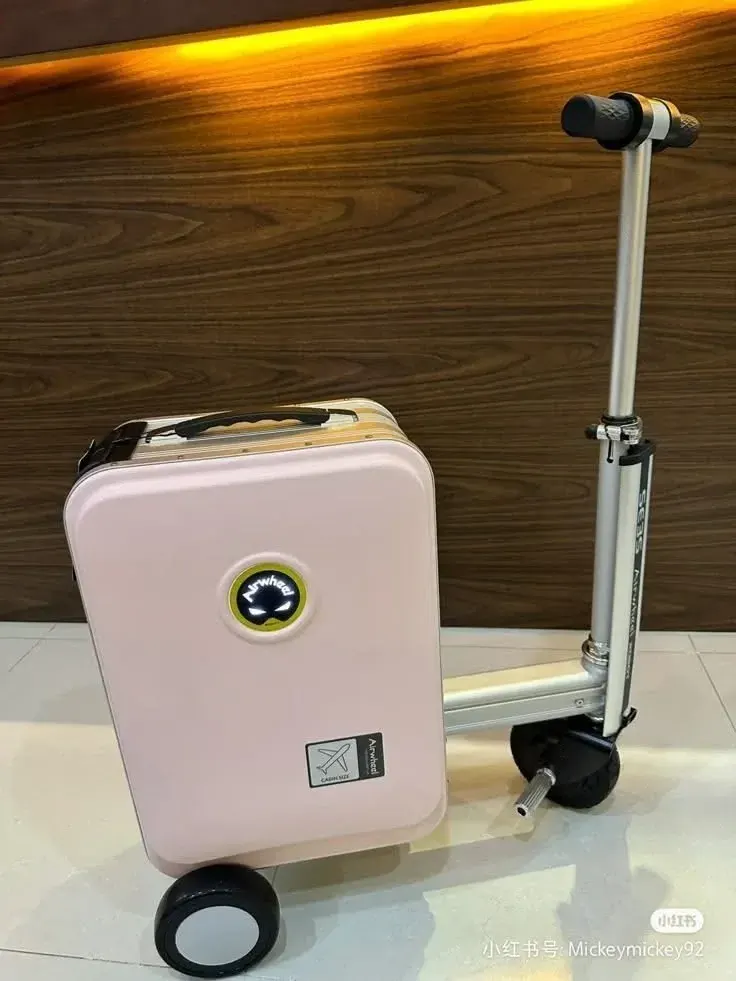
Most airport walks end in the same place: dragging a suitcase behind you at walking pace while the gate counts down. The Airwheel SE3S replaces the walk with a ride. You pull a lever, a handlebar telescopes out of the case, you step on the folding peg, and the 250W motor carries you through the terminal at 13 km/h. It looks like a gadget from a promo video, and half the terminal will stare, but the question that matters is narrower: is it a real carry-on that also rides, or a toy with a zipper?
What is the Airwheel SE3S?
The SE3S is a 20-inch hard shell carry-on with an electric scooter built into the frame. Inside the case: ABS shell with a polycarbonate film over a 6-series aluminum frame, a 250W brushless hub motor in the front wheel, a 73.26 Wh lithium battery, and a telescopic handlebar with the throttle and brake triggers on it. Airwheel quotes a 110 kg rider limit, and the case itself is rated for the usual estimate of a two to four day trip.
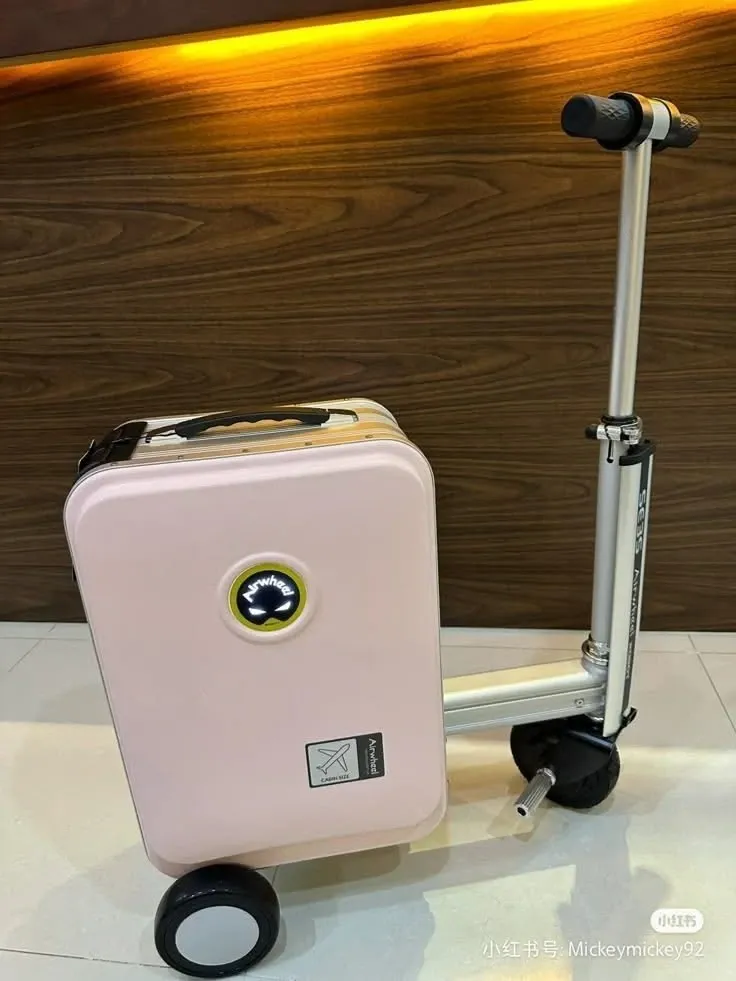
Two details separate it from the first generation of rideable luggage. The battery unplugs. That sounds boring until you learn that airline rules treat lithium batteries as the whole game: a removable pack under 100 Wh can fly in the cabin, and a sealed-in battery can get the whole bag refused at the gate. The second detail is the app: Bluetooth connects it to a phone for speed modes, LED settings, and a cruise control switch on the higher trim.
How the ride actually works
Pull the riding handle up, step on the rear folding peg, press the trigger, and the case rolls forward. Top speed is 13 km/h, which is a brisk cycling pace, and the range is 8 to 10 km per charge, so a full crossing of a large hub airport costs a fraction of the battery. The throttle is a trigger on the handlebar, and braking works by releasing it, a design that asks you to plan a stop a meter or two early (Best Buy’s reviewer noted exactly this in testing).
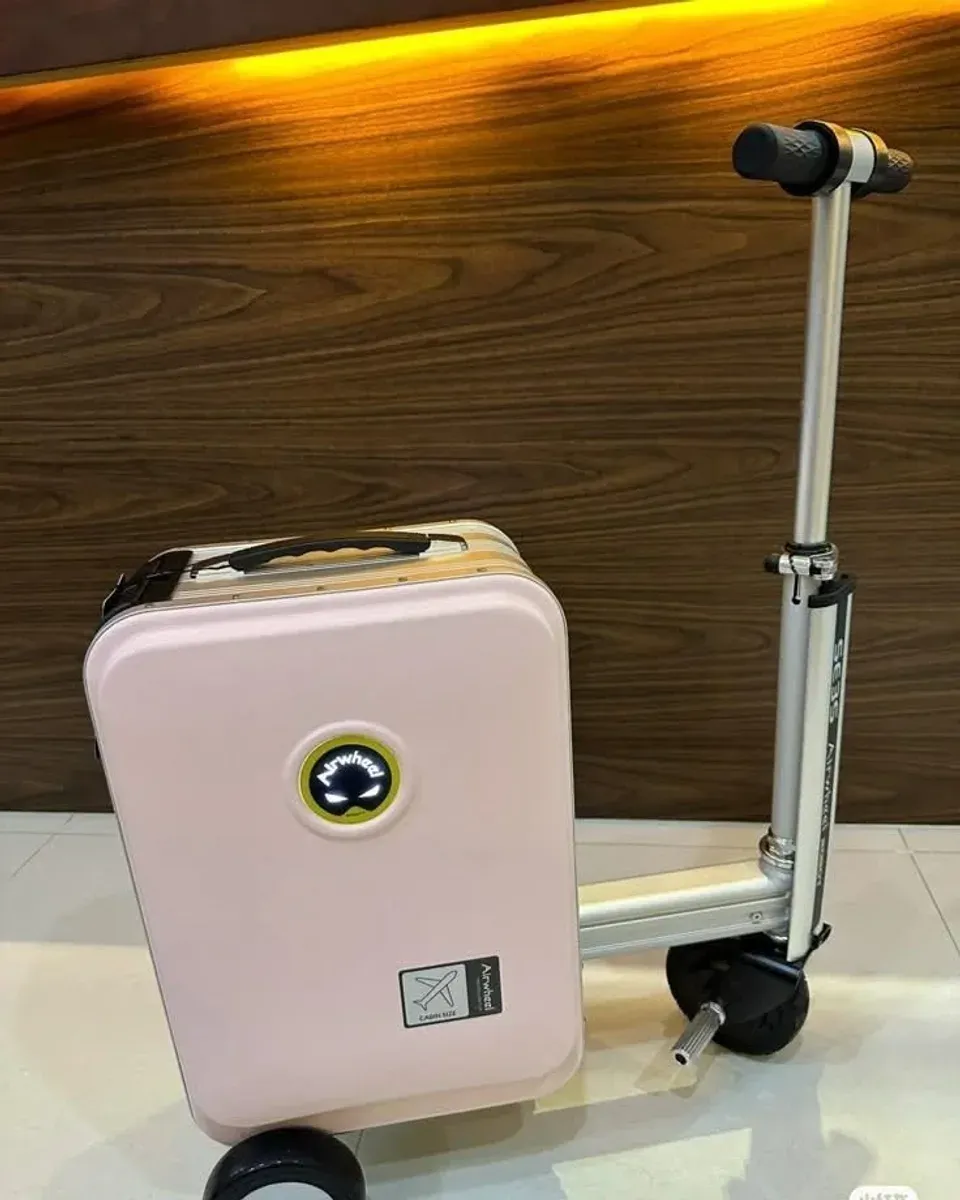
Steering is the part that needs practice. The case leans into turns from the handlebar, and the three speed modes exist for a reason: start in the slow one, learn the turning circle in an empty hall, and only then take it through a crowded terminal. The 110 kg load limit covers most adults, and the small folded scooter peg takes one rider at a time.
The airline problem, explained honestly
This is where most reviews go soft, and it is the part worth being blunt about. The battery itself is fine: 73.26 Wh is under the 100 Wh cabin threshold, and it unplugs in seconds, so the battery can fly in the cabin the way rules want. But the SE3S is still motorized luggage, and it checks in at 9.4 kg (20.7 lb) empty, which is over the entire 7 to 8 kg cabin weight allowance that several European and Asian carriers enforce. On those airlines the case cannot fly as a carry-on no matter what the battery does.
Then there is the storage trade. The motor, battery, and folding scooter frame eat about half the interior, so capacity lands around 20 liters in a case whose outside dimensions suggest nearly twice that. For a two-day trip that is plenty. For a week away, it changes what you pack. And the usual check-in rant applies: the TSA lock keeps casual hands out, but screener master keys have been floating around for years, so keep documents and electronics on your person.
Who should buy the Airwheel SE3S?
You, if you cross big terminals regularly (Frankfurt, CDG, Changi), fly airlines without a cabin weight limit, and pack light enough that 20 liters covers the trip. Long-haul economy with a budget carrier is the wrong pairing: the weight and the motorized-luggage question stack against it.
You, if the ride itself is part of the fun. This is the rare gadget that makes an airport transfer genuinely enjoyable, and the design award shelf on the manufacturer’s site is long: iida, IF, MUSE, and a German Design Award in 2025. People with limited mobility over long concourses are a real use case too, since the case carries the rider instead of the other way around.
Anyone flying a strict weight-limit carrier, anyone who packs heavy, or anyone who needs the full 40 liters of a normal 20-inch case should skip it. A lightweight polycarbonate spinner does the same walking job at a third of the weight.
Verdict
✅ Pros:
- Rides at 13 km/h with 8 to 10 km range, faster than the walking pace of a gate run
- Removable 73.26 Wh battery, under the 100 Wh cabin limit and an accepted design
- Doubles as a power bank with dual USB ports on the case
- Aluminum frame with 110 kg load rating, plus a TSA lock
- Converts back to a pull-behind trolley in seconds
❌ Cons:
- 9.4 kg empty, over the full cabin weight allowance on many airlines
- About 20 liters of usable space, half of a normal 20-inch case
- Braking releases rather than bites, plan stops early
- Motorized luggage can still be refused by individual carriers, always confirm
- Not currently listed on Amazon.de, buy through specialty retailers
FAQ
What is the Airwheel SE3S?
A 20-inch carry-on suitcase with a built-in electric scooter: a 250W motor drives it up to 13 km/h, you steer with a telescopic handlebar, and the same retractable handle pulls it like a normal trolley when the ride is over.
Can you take the Airwheel SE3S on a plane?
The removable 73.26 Wh battery sits under the common 100 Wh cabin limit, which is what airline rules require. The battery must come out and fly in the cabin, never in checked baggage, and some carriers still refuse motorized luggage, so confirm with your airline before booking.
How fast does the Airwheel SE3S go?
Up to 13 km/h (8 mph) with a range of 8 to 10 km per charge, enough to cross most large terminals several times. Three speed modes and a reverse function are controlled from the handlebar.
How much does the Airwheel SE3S cost?
It is not listed on Amazon.de at the moment; sellers move it through the portal marketplace or specialty retailers, where the price sits roughly between 400 and 600 euros depending on color and edition.

Continue reading
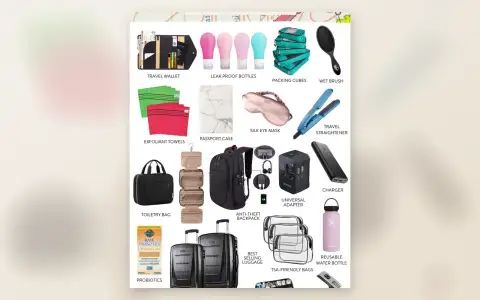
Amazon Travel Must-Haves: 20 Products That Make Every Trip Easier
Amazon travel must-haves: 20 essential products from packing cubes to anti-theft backpacks, leak-proof bottles to electronics organizers. Everything you need for smoother travel.

Beach Tent Cabana: The Perfect Summer Setup for Sand, Sun, and Shade
Beach tent cabana review: a large open-front shelter with extended floor, sand stakes, and UPF 50+ protection. Turns any beach spot into a private lounge.
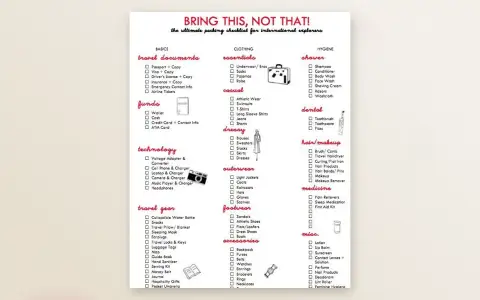
Bring This, Not That: The International Packing Checklist That Actually Works
Bring This Not That packing checklist: every category for international travel: documents, clothing, hygiene, technology, gear. What to pack and what to leave behind.