Arch Pegboard Gym Storage: The Freestanding Rack That Ends Corner Chaos
A freestanding wooden arch pegboard organizer for yoga mats, dumbbells, kettlebells and bands. What it holds, what it wobbles on and what to buy instead.
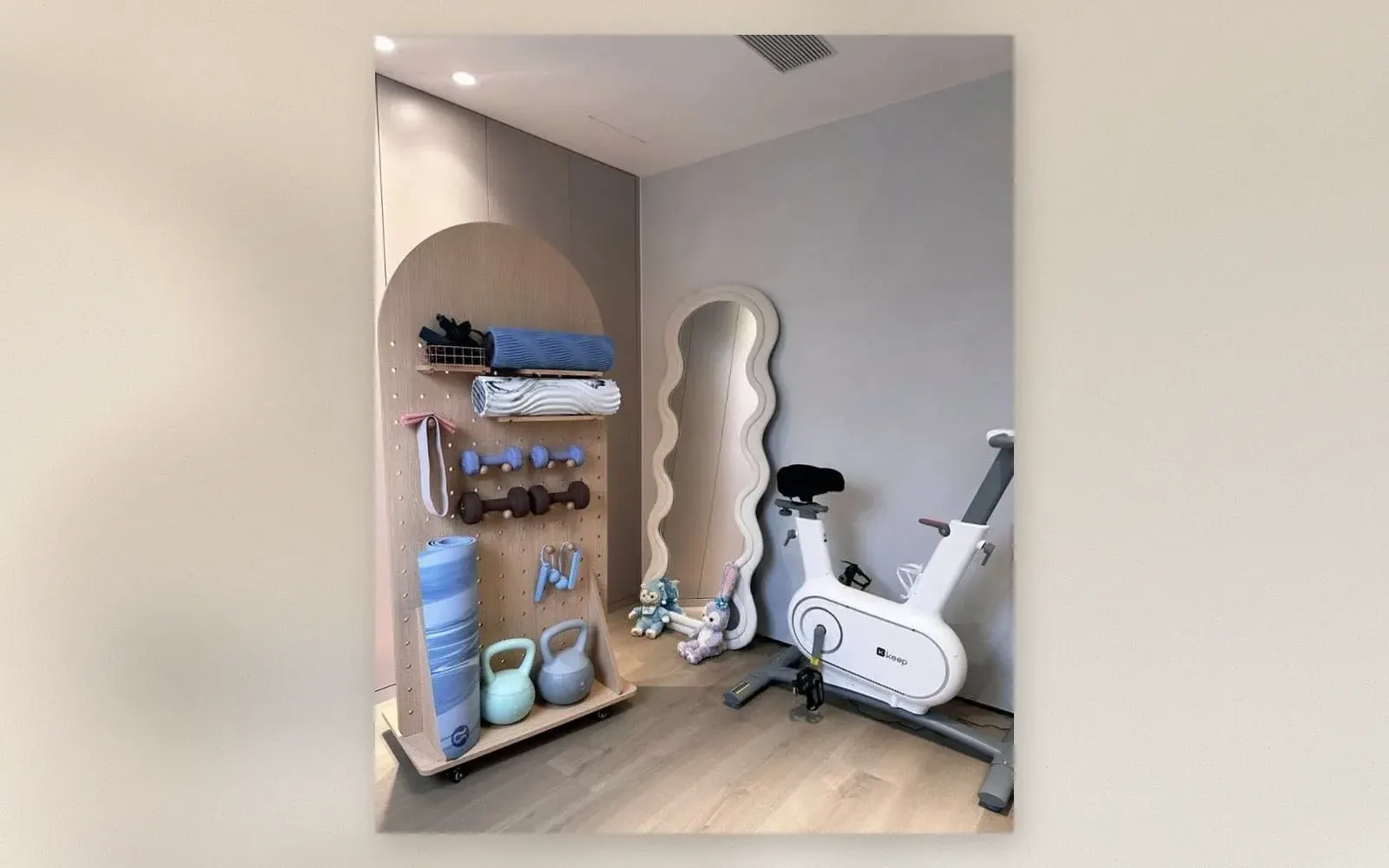
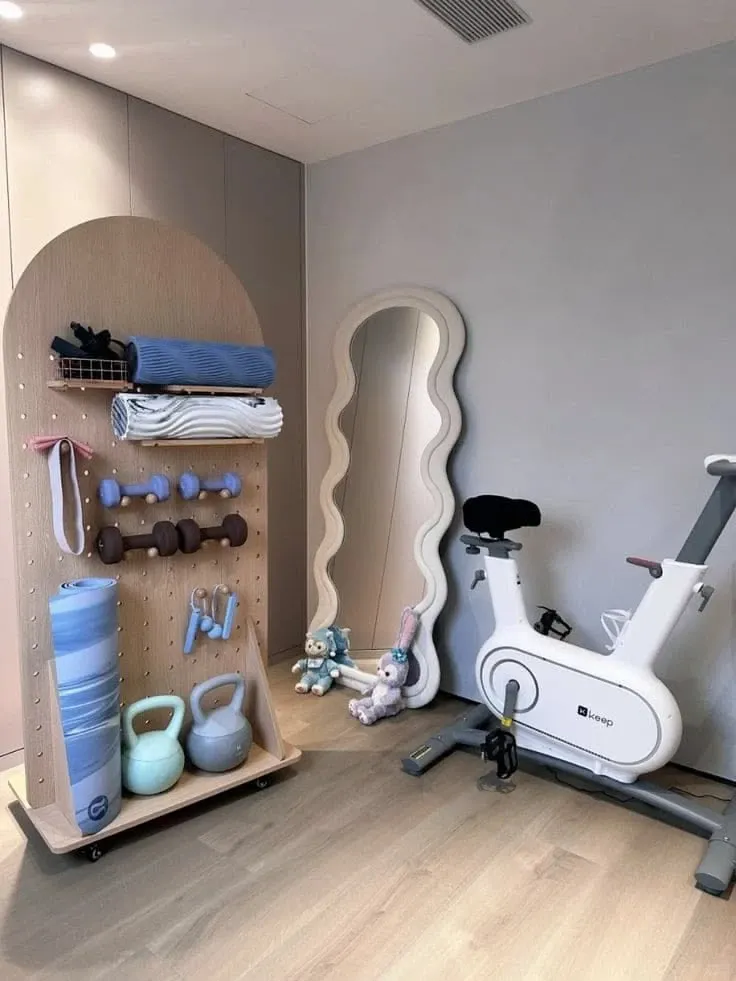
Every home gym hits the same wall: the gear that will not stack. The exercise bike takes its corner, dumbbells line up on the floor, the yoga mat leans on the bike until it slouches behind the radiator, and resistance bands colonize a drawer. The photo shows the fix done properly. A freestanding wooden arch shaped like a cathedral window stands between the bike and the mirror, pegs and hooks carrying a rolled yoga mat on top, clamps and a band mid frame, small dumbbells and a kettlebell below. One piece of furniture, the whole accessory drawer erased.
Why do yoga mats and resistance bands end up crumpled on the floor?
Because almost nothing in a fitness shop is designed to store anything. Bikes, benches and racks each get a footprint while mats, clamps, straps and bands float homeless between them. The pegboard idea solves the orphan problem the way a garage wall has solved it for decades: every light tool gets a hook, and the hook layout changes the day your routine changes.
The arch in the photo adds one twist most pegboard walls lack: height. A vertical arch wastes no floor, so the yoga mat hangs at eye level instead of sitting rolled in a floor cylinder the cat treats as furniture. The real failure with cheap wall hooks is not storage but reach: a mat you have to unroll while crouching gets skipped on tired days, and skipped rehanging is how the corner chaos restarts.
How much gear does an arch pegboard actually swallow?
More than the photo suggests, and less than a full metal rack. Count the hang points: on the pictured setup the arch carries one large mat, two clamps, one resistance band and a folded towel on hooks, while pegs low on both sides hold three pairs of small dumbbells and one 8 to 12 kg kettlebell. That covers the accessory drawer of most flat gyms. It does not cover a barbell set: plates on pegs are a storage mistake rather than a system, and they belong on the rack that came with the bar.
Weight math decides how much of that list you actually trust. Wood pegs in the 15 to 25 kg range per point sit in the same class as metal hooks on a proper garage panel, and the whole frame carries the total. The failure mode is not a peg snapping mid workout. It is the topheavy tilt: weeks where the mat and half the bands sit high while a kettlebell creeps up a side make the arch lean, and on an uneven plank floor the base follows. Load it top light and bottom heavy if you want the stability the photo implies.
Is a freestanding pegboard better than wall mounting?
Neither wins outright, and the honest answer lives in your lease. A drilled metal panel like the MRZZATA shown here holds more gear, ships flatter and costs less than half of many wooden arches. It needs a wall you can drill in, studs or anchors, and about 60 to 80 cm of unblocked wall length. Renters, corner setups and people who rearrange the gym every season pay for that with holes, patching and a permanent wall commitment.
The freestanding arch answers for them: casters under a wooden base roll the whole load to whatever corner is free this month, and the piece still looks like furniture if the gym doubles as a living room. What you give up is peg strength on cheap models and a higher price per hook. The choice between the two types usually comes down to one question: can you put three holes in that wall without asking anyone.
How do you keep an arch rack from tipping over?
Two habits cover it. First, load order: heavy gear low, light straps high, the reverse of how most people casually fill a rack, and the reason why a pegboard full of kettlebells on top hooks becomes a lever arm rather than furniture. Second, sit the base flush: on parquet or tile, check the feet all touch, and on carpet put half a centimeter of board under each caster so the wheels cannot sink unevenly.
The floor itself decides how safe casters are. Hard plastic wheels scratch polyurethane finishes, so floors worth keeping want rubberized casters or a low mat under the frame. A wall strap is a third option nobody thinks of until the toddler appears: a single screw and a fabric strap from the top of the arch to a stud costs nothing and carries the tipover risk without any visual cost.
Verdict
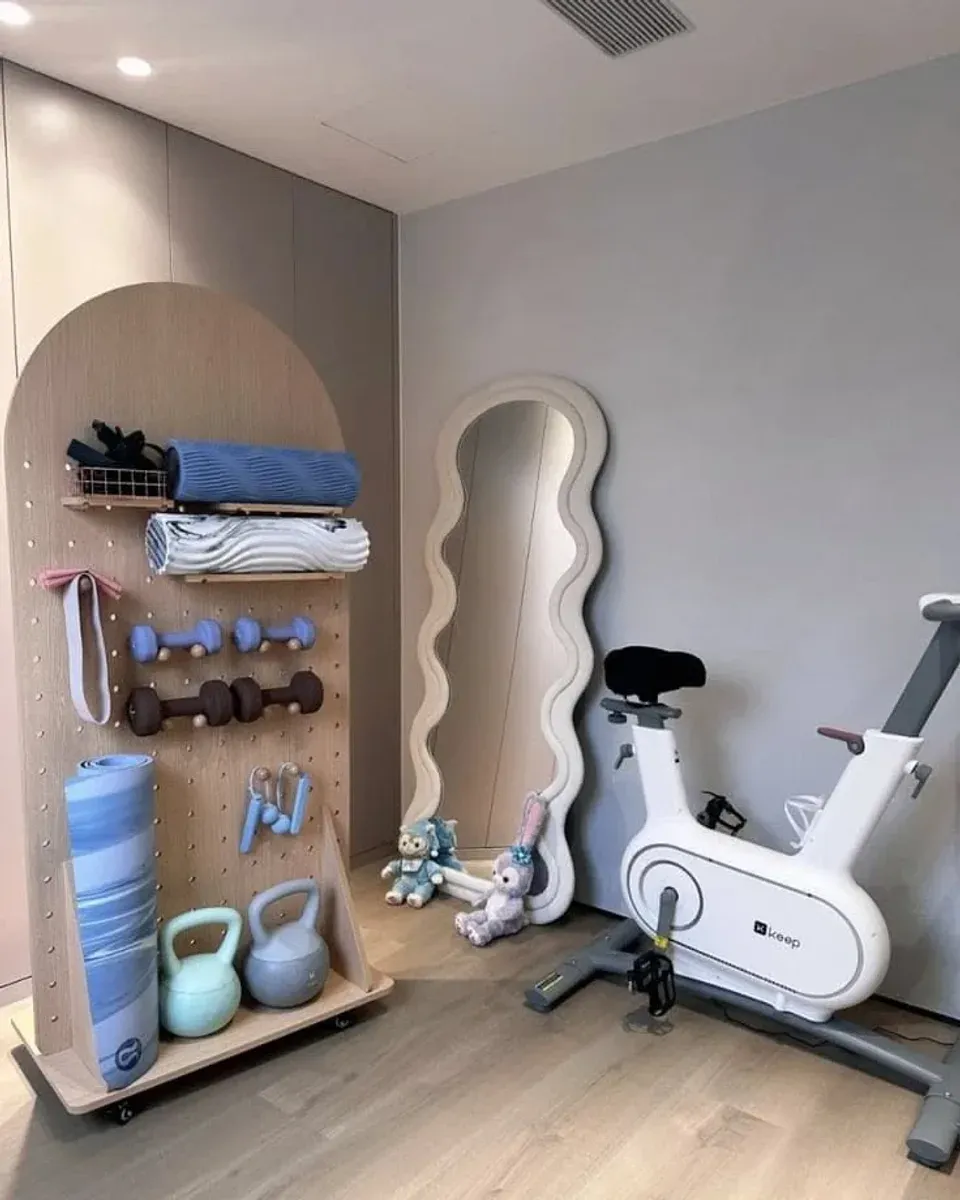
The freestanding wooden arch pegboard in the photo is that rare accessory piece that earns its footprint: one column of floor buys you the whole accessory drawer of a flat gym, the mat stays eye level so it gets rehung instead of crumpling, and the piece reads as furniture next to a mirror and a peloton rather than a garage wall. As of November 2026 the wood arches ship mostly from craft shops without fixed prices, while the closest metal equivalents on Amazon.de, the HYCFYJR rack with pegboard organizer at around 61 euros and the MRZZATA wall panel at around 127 euros, cover the same job with more capacity for renters who can drill.
Pros:
- One vertical column replaces the whole accessory shelf of a flat gym
- Yoga mat hangs at eye level, which is what keeps the rehanging habit alive
- Freestanding and mobile: casters move it, no wall drilling, renter safe
- Wood pegs are friendlier to coated kettlebells than metal hooks
- Looks like furniture, survives a living room corner
Cons:
- Wood arches are craft shop products, the best ones cost more than metal panels
- Topheavy loading tips cheap versions before the peg ever breaks
- Lacks the raw peg count and load rating of a drilled metal panel
- Hard plastic casters scratch soft wood floors without a mat
FAQ
What fits on a freestanding pegboard gym rack?
The hook side takes everything light and hangable: yoga mat on the top arm, clamp straps, resistance bands, a jump rope. Pegs lower down carry kettlebells and small dumbbells. The load rating lives in the frame, so hanging gear on hooks is safe; stacking 20 kg dumbbells on pegs is the part that bends cheap versions.
Is a freestanding pegboard rack better than wall mounting?
Different problems. A wall mounted metal panel like the MRZZATA holds more and costs less, but it needs drilling, studs and 60 to 80 cm of free wall. A freestanding arch works in a rented flat or a corner the wall side cannot serve, and it moves on casters when you rearrange. Wall mounting wins on capacity, freestanding wins on flexibility.
How much weight can a wooden pegboard rack hold?
Solid birch or oak versions handle 15 to 25 kg per peg and 40 to 60 kg total when the base sits tight to the floor. The weak point is not the wood, it is the topheavy layout: a yoga mat and straps on the tall arch plus nothing low down makes the whole thing a lever. Load the bottom shelf first and the wobble disappears.
Do pegboard organizers scratch dumbbells or floors?
Wood pegs are kinder to coated kettlebells than metal hooks, which chew through vinyl shells. For floors, buy the version with rubberized caster wheels or put a thin mat under the base; bare hard casters on parquet will leave marks within weeks.

Continue reading

Pegboard Home Gym Organizer: The Wall Storage Fix for Small Home Gyms
A pegboard wall turned our heap of gear into one clean display. Here is how a pegboard home gym organizer works, what it holds, and whether it is worth it.

Faucet Style Dog Water Fountain: The Stainless Bowl That Ends Refill Rounds
A faucet style dog water fountain in stainless steel with an 8 liter tank, a view window and a deep drinking tray. What it costs, how quiet it runs, where it fails.
Pink LED Mirror Alarm Clock: The Bedside Clock That Doubles as a Mirror, Reviewed
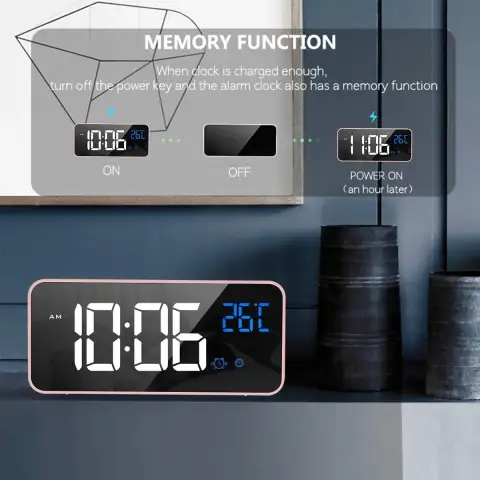
The pink LED mirror alarm clock puts a 5.6 inch display behind a real mirror surface. Two alarms, four brightness levels, 22,99 euros, and one honest flaw.