The Sudoku Packing Method — Pack Like a Puzzle, Travel Like a Pro
Sudoku packing method: a 3x3 grid system that balances tops, layers, and bottoms for maximum outfit combinations. Because 'just throw things in' is not a strategy.
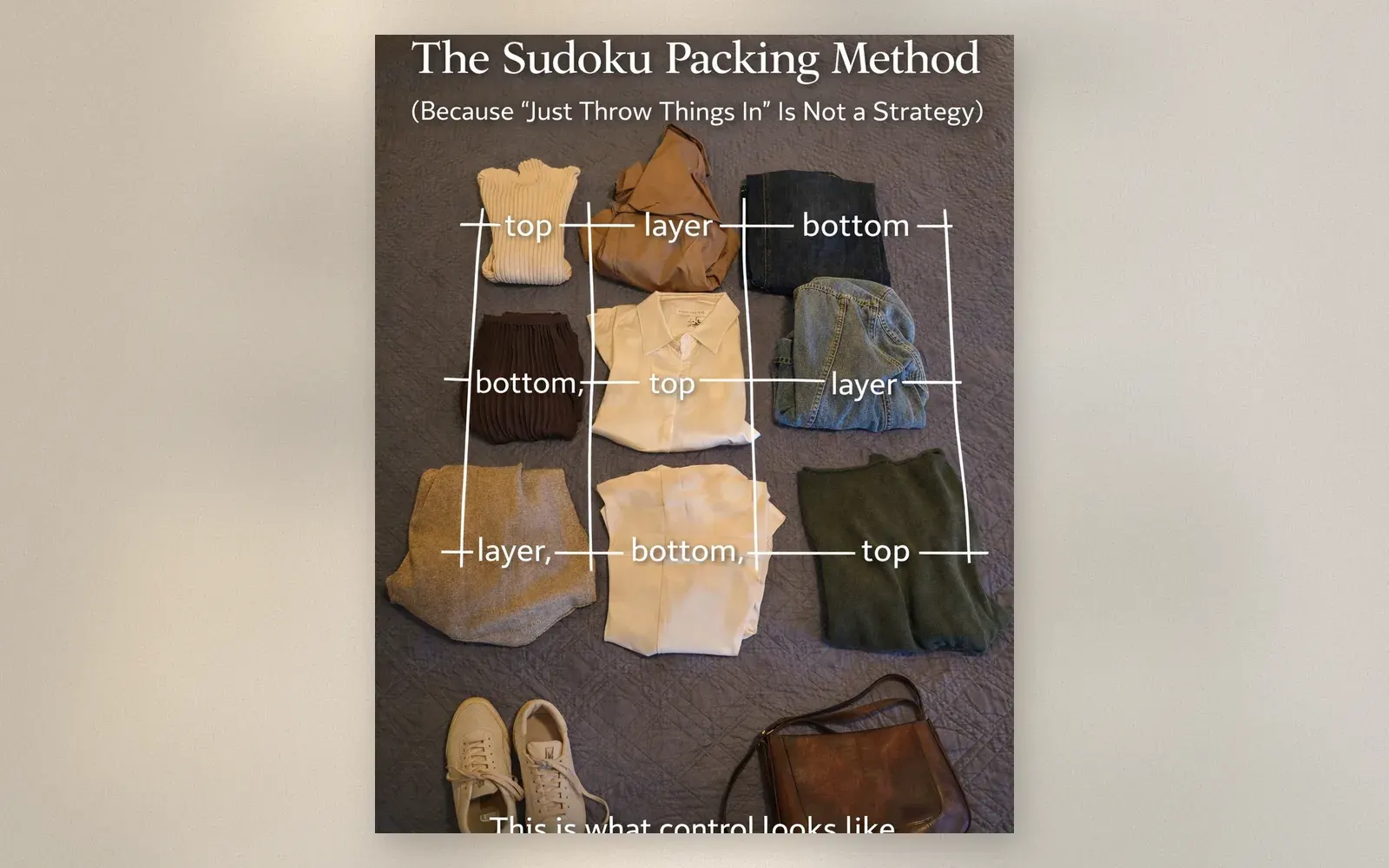
“Just throw things in” is not a strategy. It’s how you end up with five shirts that only match one pair of pants, two sweaters that clash with everything, and a suitcase full of clothes with nothing to wear. The Sudoku Packing Method fixes this with a simple grid system — a 3×3 layout where each row and each column contains exactly one top, one layer, and one bottom. The result is a capsule wardrobe that creates 27 possible outfit combinations from just 9 items.
🏷 Where to buy Packing Essentials Available on Amazon.de — search for packing cubes and travel organizers to implement the Sudoku method
What Is the Sudoku Packing Method?
The method borrows its logic from the puzzle game Sudoku. In Sudoku, each row and column contains every number exactly once. In packing, each row and column contains every clothing category exactly once.
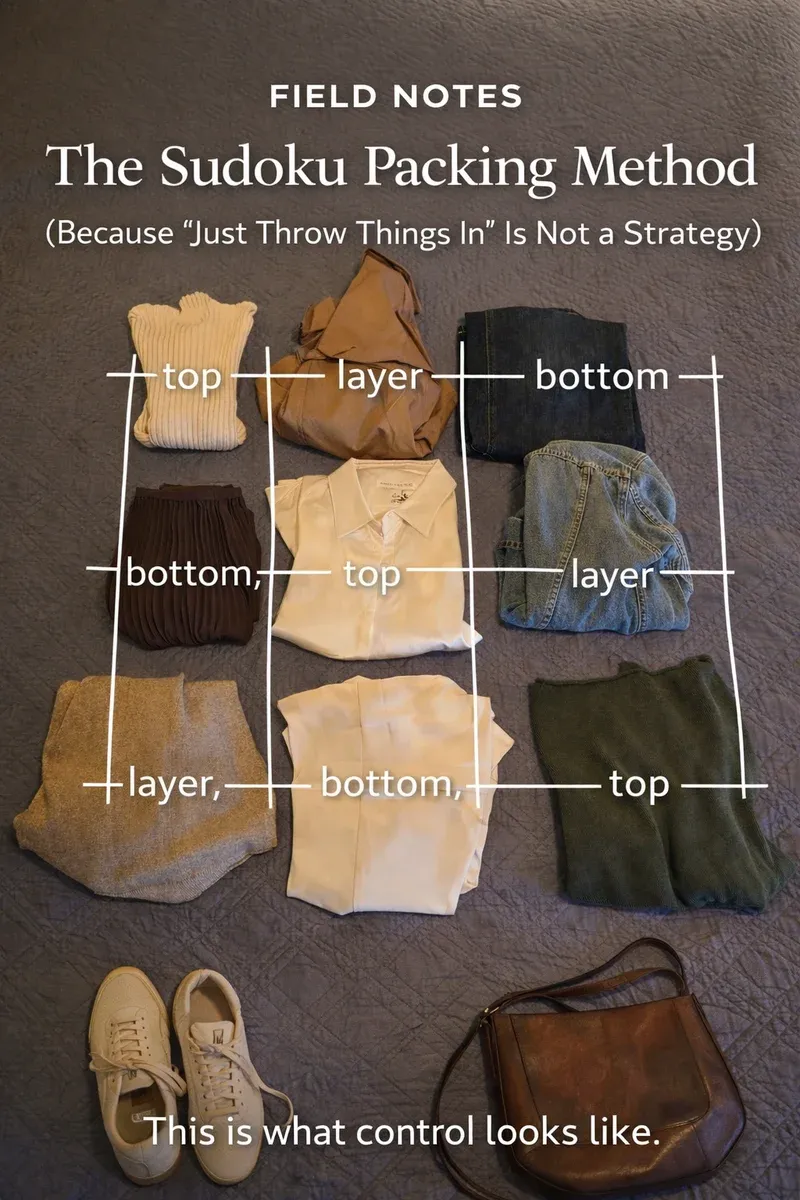
The Grid:
| Column 1 | Column 2 | Column 3 | |
|---|---|---|---|
| Row 1 | Top | Layer | Bottom |
| Row 2 | Bottom | Top | Layer |
| Row 3 | Layer | Bottom | Top |
Each row is an “outfit row” — the three items in that row work together as a complete outfit. Each column is a “category column” — all three items in that column are the same type but in different colors or styles.
The magic: any item from any row pairs with any item from any other row. A top from Row 1 works with a bottom from Row 2 or Row 3. A layer from Row 2 works with a top from Row 1 or Row 3. The grid guarantees balance — no category dominates, and every piece has multiple matching partners.
How to Build Your Sudoku Grid
Start with 9 items: 3 tops, 3 layers, 3 bottoms. The colors should be coordinated — neutrals (black, white, grey, navy, beige) with one or two accent colors.
Step 1: Choose Your 3 Tops Pick three tops in different styles but coordinated colors. Example: a cream knit sweater, a white button-down shirt, and a dark green long-sleeve. Each top should work with at least two of your bottoms.
Step 2: Choose Your 3 Layers Pick three layering pieces in complementary colors. Example: a tan jacket, a denim jacket, and a grey cardigan. Each layer should add warmth without clashing with any top.
Step 3: Choose Your 3 Bottoms Pick three bottoms in versatile colors. Example: dark jeans, a beige skirt, and brown shorts. Each bottom should pair with at least two of your tops.
Step 4: Arrange in the Grid Place one of each category in each row and column. The arrangement doesn’t matter for outfit combinations — any valid Sudoku layout produces the same 27 outfit possibilities.
Why the Sudoku Method Works
The 3×3 grid creates mathematical balance. With 3 tops × 3 bottoms = 9 outfit combinations. Add 3 layers and you get 9 × 3 = 27 possible outfits. That’s nearly a month of unique outfits from just 9 clothing items.
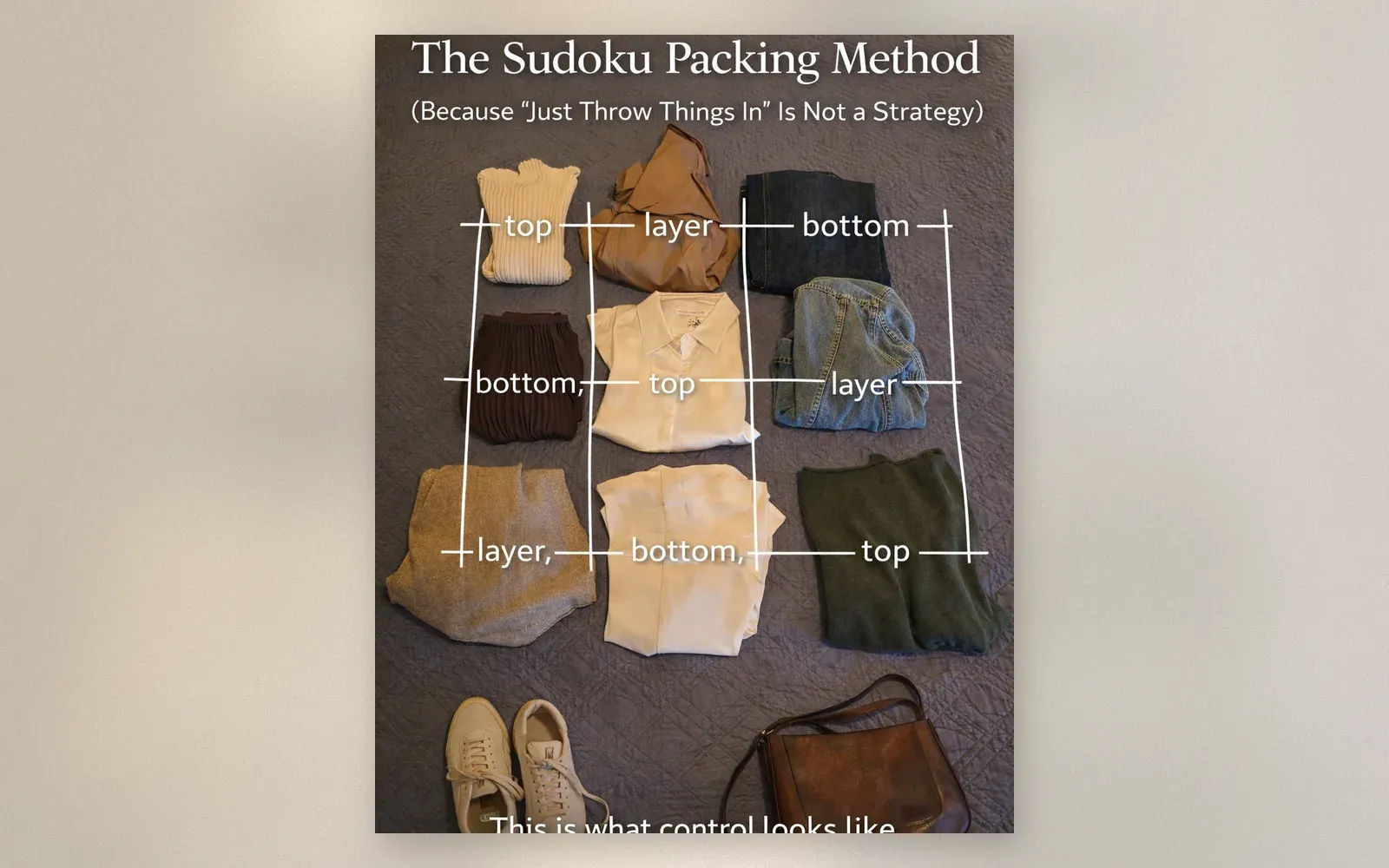
The method also prevents the most common packing mistake: over-indexing on one category. Without the grid, most people pack 7 tops and 2 bottoms — which gives 14 combinations but leaves you wearing the same pants every day. The Sudoku method forces equal representation, ensuring you have enough variety in every category.
The visual layout also makes packing faster. You see the entire wardrobe at a glance, identify gaps, and adjust before anything goes into the suitcase. No more discovering at your destination that you packed three sweaters but no pants that match them.
Adapting the Sudoku Method for Different Trips
The standard 3×3 grid works for 5–7 day trips. Adjust the grid size for different lengths:
Weekend Trip (2–3 days): Use a 2×2 grid — 2 tops, 2 bottoms, skip layers. Four items, 4 outfit combinations.
Week-Long Trip (7 days): The standard 3×3 grid — 3 tops, 3 layers, 3 bottoms. Nine items, 27 combinations.
Two-Week Trip (14 days): Use a 4×3 grid — 4 tops, 3 layers, 3 bottoms. Ten items, 36 combinations. Add laundry mid-trip.
Cold Destination: Expand layers to 4, reduce bottoms to 2. The grid adapts — balance matters more than exact counts.
Beach Destination: Replace one layer with swimwear, one bottom with shorts. The grid logic stays the same — just change the categories.
Who Should Use the Sudoku Packing Method?
Visual thinkers who need to see the entire wardrobe before packing. The grid layout makes abstract packing advice concrete — you can literally see whether your outfits work before anything goes in the bag.
Minimalists who want maximum outfits from minimum items. The 27-combination result from 9 items is the most efficient packing ratio available. You travel light without sacrificing variety.
Couples who pack together. Each person builds their own Sudoku grid, and the two grids complement each other — shared layers, coordinated colors, and no duplicate items.
For anyone who’s ever arrived at a destination and realized they packed the wrong things, the Sudoku method eliminates the risk. Every outfit is pre-planned, every combination is tested, and every item earns its space in the grid.
Verdict
✅ Pros of the Sudoku Packing Method:
- 27 outfit combinations from just 9 items
- Forces balanced packing — no category dominates
- Visual layout makes packing faster and more intentional
- Adapts to any trip length by changing grid size
- Prevents “wrong things” packing mistakes
❌ Adjustments for Different Needs:
- Cold destinations: expand layers, reduce bottoms
- Beach destinations: replace layers with swimwear
- Business trips: substitute dress shirts for casual tops
- Two-week trips: use 4×3 grid, plan laundry day
- Families: each person builds their own grid
🏷 Where to buy Packing Essentials Search for packing cubes and travel organizers on Amazon.de to implement the Sudoku packing method
FAQ
How many outfit combinations does the Sudoku packing method produce?
A standard 3x3 grid with 3 tops, 3 layers, and 3 bottoms produces 27 possible outfit combinations from just 9 items. A 4x3 grid produces 36 combinations from 10 items.
How should I coordinate colors for the Sudoku grid?
Start with neutral base colors like black, white, grey, navy, or beige, then add one or two accent colors. Every top should pair with at least two bottoms, and every layer should complement all tops.
Can I use the Sudoku method for a cold-weather trip?
Yes. Expand your layers to 4 pieces and reduce bottoms to 2. The grid logic stays the same, but you adjust the category ratios to match your climate needs.
Does the Sudoku method work for business travel?
It works well. Substitute dress shirts or blouses for casual tops and add a blazer as one of your layers. The grid guarantees that each piece pairs with multiple others, which is essential for professional settings.
Can couples use the Sudoku method together?
Each person builds their own 3x3 grid. Coordinating colors between the two grids lets you share layers like jackets or scarves, reducing total luggage volume for the trip.

Continue reading
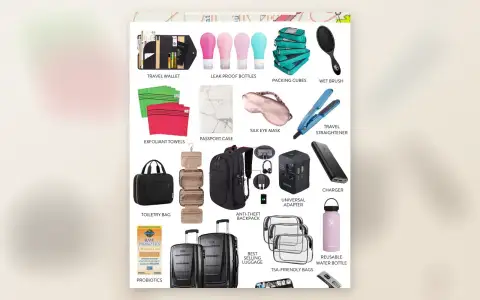
Amazon Travel Must-Haves — 20 Products That Make Every Trip Easier
Amazon travel must-haves: 20 essential products from packing cubes to anti-theft backpacks, leak-proof bottles to electronics organizers. Everything you need for smoother travel.
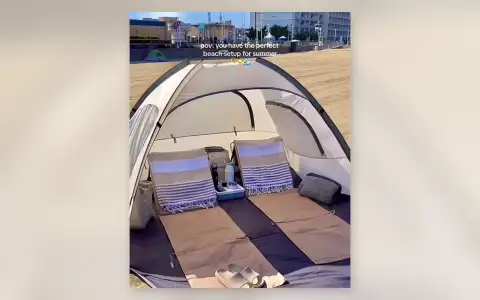
Beach Tent Cabana — The Perfect Summer Setup for Sand, Sun, and Shade
Beach tent cabana review: a large open-front shelter with extended floor, sand stakes, and UPF 50+ protection. Turns any beach spot into a private lounge.
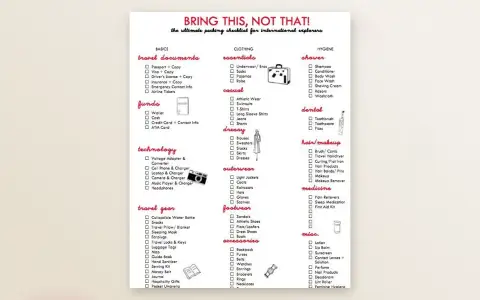
Bring This, Not That — The International Packing Checklist That Actually Works
Bring This Not That packing checklist: every category for international travel — documents, clothing, hygiene, technology, gear. What to pack and what to leave behind.