Double-Dish Snack Bowl: One Bowl for the Snack, Another for the Shells
Double-dish snack bowl review: an inner bowl for nuts and olives, an outer ring that catches the shells and pits. No more saucer clutter on the coffee table.
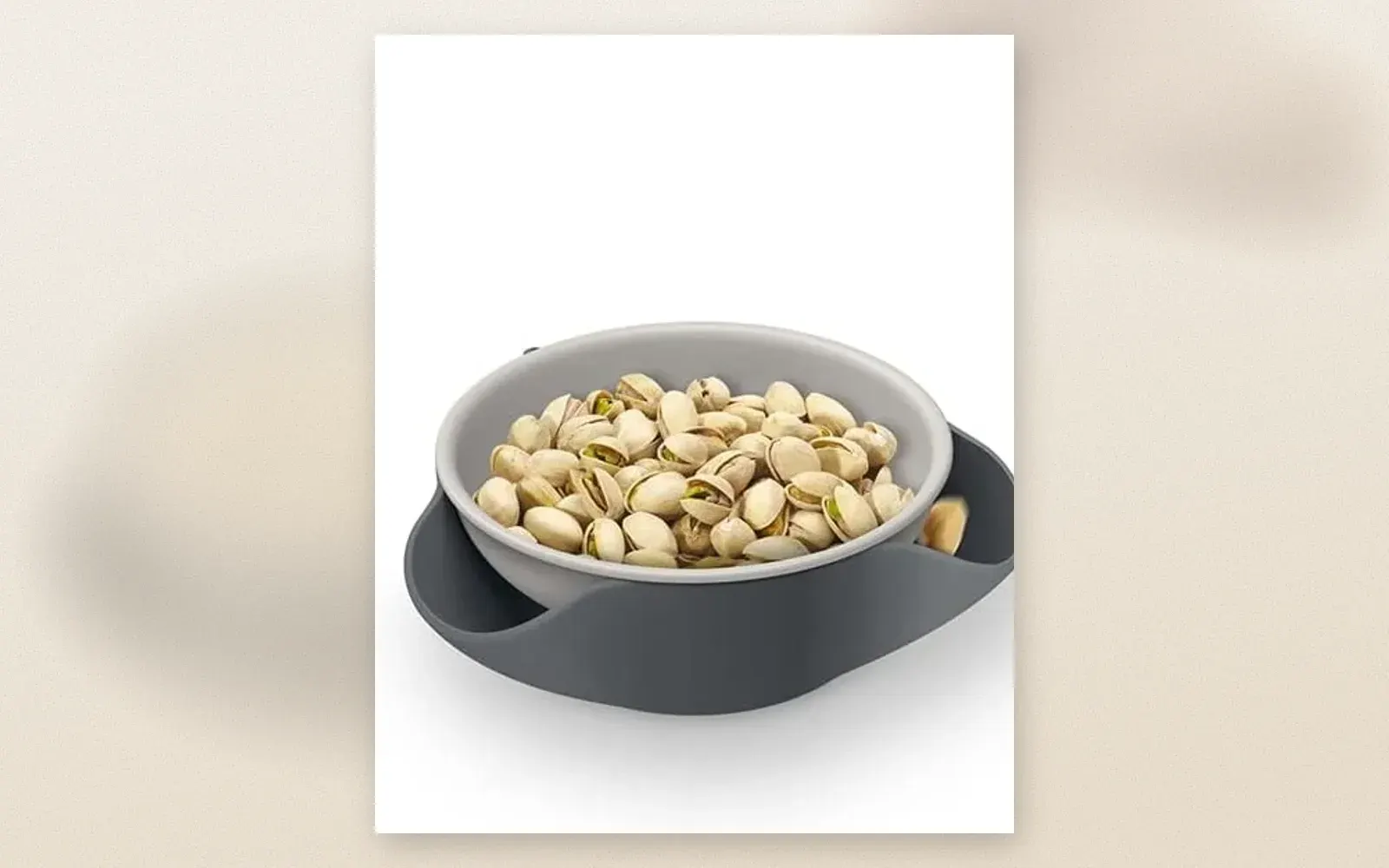
Pistachios are a coffee-table problem. Every bowl of them needs a second dish for the shells, and that second dish is always the wrong size, the wrong spot, or missing entirely. The double-dish snack bowl solves this with one shape: an inner bowl that holds the snack, surrounded by a raised outer ring that catches the shells. Crack a pistachio, drop the shell into the ring, keep the nut in your hand. Two dishes, one footprint, no juggling.
🏷 Where to buy a Double-Dish Snack Bowl Buy on Amazon →
How does a double-dish snack bowl work?
The geometry does all the work. The inner bowl sits nested inside a larger shell, raised a few centimeters above the outer rim’s trough. Your snack lives in the center; your waste lives in the ring around it. Nothing mixes, nothing rolls away.
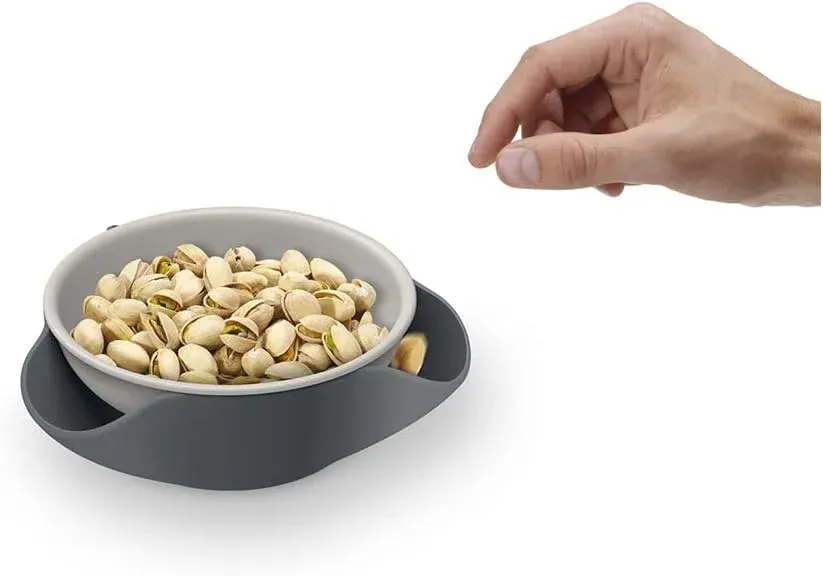
The separation matters for more than shells. Olives come with pits. Cherries come with stems and stones. Candy comes with wrappers. Every snack that produces a byproduct produces the same table problem: where does the byproduct go? The outer ring is the answer, and because it’s part of the same dish, people actually use it. Two separate dishes on a table means half your guests drop shells on the plate, the table, or the floor.
The footprint is the quiet advantage. One dish instead of two means less to carry, less to wash, and a smaller footprint on a crowded table. For apartments and small coffee tables, that geometry is the product.
What can you serve in a double-dish bowl?
Pistachios are the headline case, and they justify the design on their own. But the pattern generalizes: any snack where you eat one part and discard another works perfectly.
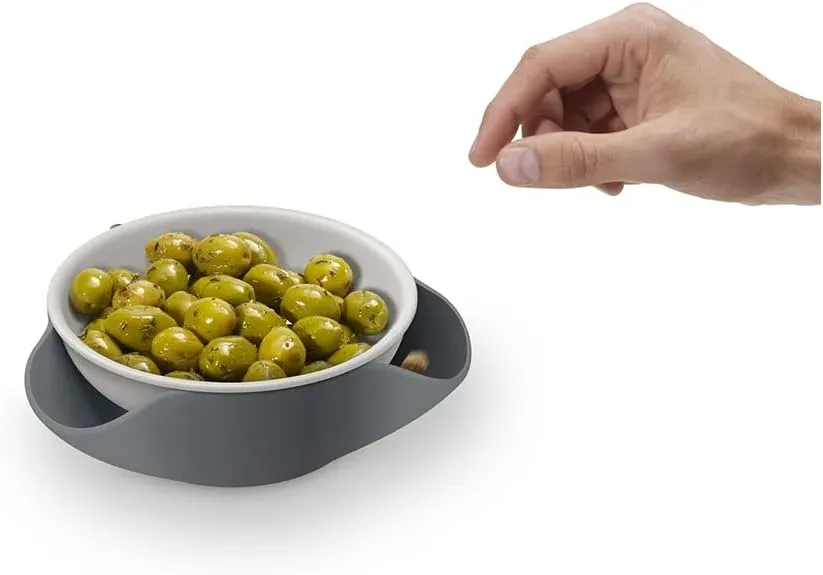
- Pistachios and peanuts in the shell - the classic pairing of snack and shell in one dish
- Olives and cocktail cherries - pits drop into the outer ring instead of a saucer
- Sunflower seeds - the ring catches a steady stream of hulls during long games or movies
- Candy and wrapped sweets - the outer ring holds wrappers until you clear it
The outer ring also pulls second duty as a crumb tray. Serve biscuits or pastries in the center, and the ring contains the flakes instead of letting them migrate across the table.
Is a double-dish snack bowl practical?
The cleaning is the first practical win. Food stays above the inner bowl’s rim, so the outer ring only ever touches shells and pits: no grease, no sticky residue. A rinse clears it. The inner bowl goes in the dishwasher like any other bowl.
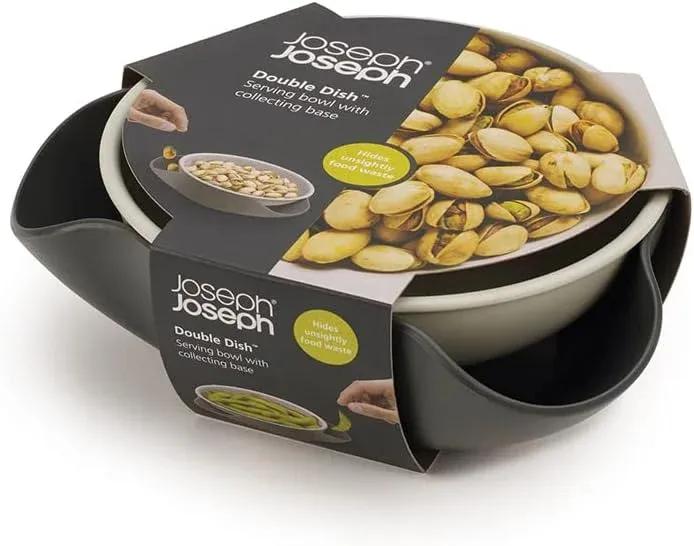
The capacity question is fair to ask. A double-dish design trades some inner-bowl volume for the outer ring, so the center holds less than a plain bowl of the same width. For a movie night with four people, one fill of pistachios is roughly right. For a party of ten, refill once or twice, which takes ten seconds since the inner bowl lifts out.
The durability question has a short answer: there’s nothing to break. No hinges, no lids, no moving parts. Quality versions use sturdy plastic that survives drops and years of dishwasher cycles. That’s the right material call for a piece this simple.
Who should buy a double-dish snack bowl?
Households that eat shell snacks regularly get the most value. If pistachios, peanuts, or olives are a weekly habit, the bowl earns its counter space immediately and you stop improvising saucers.
Movie nights and game nights are the ideal setting. The bowl sits in the center of the table, everyone reaches the same dish, and the shells stay contained. The top-down shape even reads well in photos: snack in the middle, shells in the ring, hands converging from four sides.
Anyone with a small coffee table benefits from the single footprint. Two dishes plus a remote plus a drink is table clutter; one dish plus a remote plus a drink is manageable. And if you’re the person who ends up clearing the shells after every gathering, the contained outer ring turns a five-minute pickup into a two-second empty.
Verdict
✅ Pros of the Double-Dish Snack Bowl:
- Snack and shell storage in one footprint: no second saucer needed
- Outer ring actually gets used because it’s part of the same dish
- Inner bowl lifts out for filling and cleaning
- No moving parts: nothing to break, drop-proof, dishwasher safe
- Works for pistachios, olives, cherries, seeds, and wrapped candy
❌ Cons:
- Inner bowl holds less than a plain bowl of the same width
- Outer ring fills up during long sessions and needs a mid-movie empty
- Plastic look suits casual tables better than formal dinner service
- Only makes sense for snacks with shells, pits, or wrappers
- Wide shape needs more table surface than a tall bowl
🏷 Where to buy a Double-Dish Snack Bowl Buy on Amazon →
🇩🇪 This article is also available in Deutsch:
Read in Deutsch →
FAQ
How does a double-dish snack bowl work?
The design nests two bowls into one unit. The inner bowl holds edible snacks like nuts, olives, or cherries. The raised outer ring surrounds the inner bowl and collects whatever you discard, such as pistachio shells, olive pits, or candy wrappers. Everything stays in one footprint on the table.
Is the double-dish snack bowl dishwasher safe?
Yes. Both the inner bowl and the outer shell are made of durable plastic that goes in the dishwasher without issue. Hand washing with warm soapy water works just as well, since food residue never reaches the outer ring's underside.
Can the inner bowl be removed for cleaning?
Yes. The inner bowl lifts out of the outer shell, so you can rinse or fill the two parts separately. This also makes refilling simple: lift out the inner bowl, top up the nuts, drop it back in.
What snacks work best in a double-dish bowl?
Shell snacks are the classic case: pistachios, peanuts in the shell, sunflower seeds. Olives and cherries with pits work the same way. The outer ring also doubles as a crumb or wrapper tray for candy and small snacks.

Continue reading
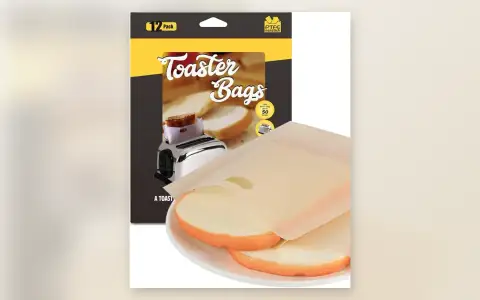
Toastabags: The Reusable Toaster Sleeve That Ends the Cheese-Drip Scrape
Grilled cheese straight in the toaster sounds like a hack until the cheese hits the heating elements. The Toastabag sleeve keeps the whole sandwich contained, and it costs less than the bread you ruin without it.
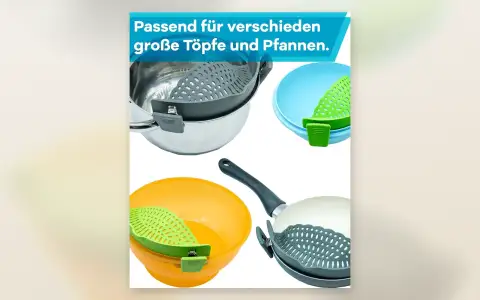
Clip-On Pot Strainer: Drain Pasta Without a Colander
Clip-on pot strainer review: a silicone snap strainer that clamps to any pot rim and drains pasta, ground beef fat, or canned food in place. What the 21.89 euro Netrox does well and where it slips.
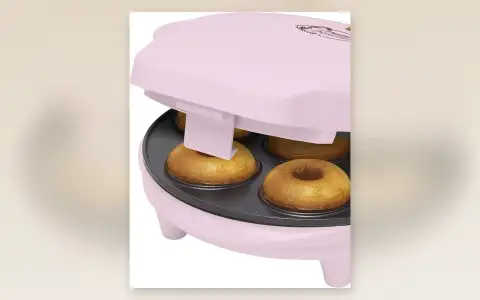
Mini Donut Factory: The Countertop Machine That Bakes Donuts for You
Mini donut factory machines bake a conveyor of fresh donuts without a deep fryer. What the retro model in the viral photo costs, which versions are real, and what to expect from the donuts.