Headphone Stands: Why Premium Headphones Deserve More Than a Drawer
Headphone stand guide: desk stands, under-desk hangers, and wall mounts compared. How proper storage protects ear pads and headbands, and which stand style fits your desk.
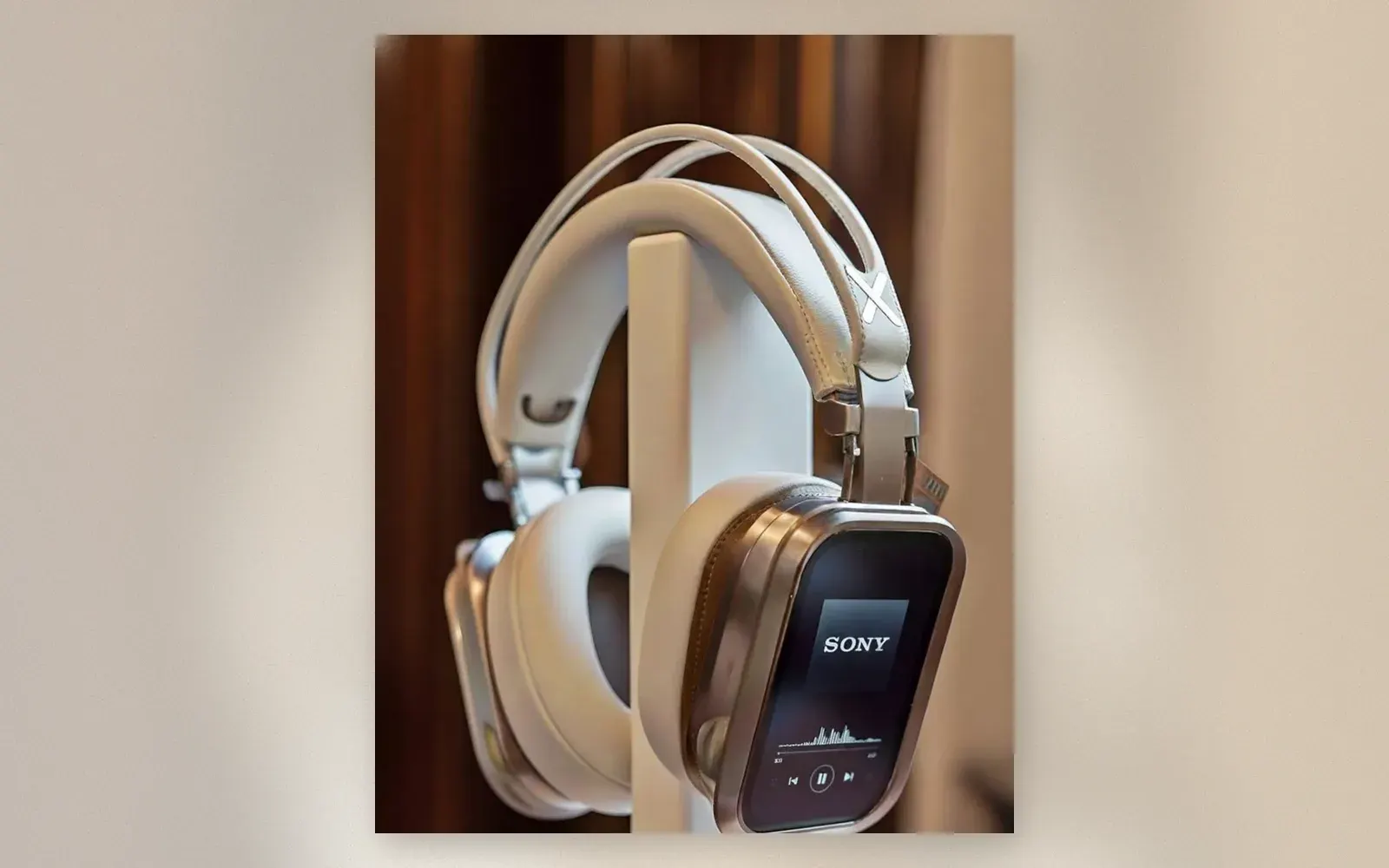
Premium headphones on a display pedestal look like the photo: intentional, protected, and part of the room. The same headphones in a drawer compress their ear pads into ovals, collect scratches from keys, and stay forgotten. A headphone stand is the cheapest accessory that extends the life of a 300-dollar purchase, and the category has matured into three styles: desk stands, under-desk hangers, and wall mounts.
🏷 Headphone stands Desk Stands → · Under-Desk Hangers →
Why Storage Changes Headphone Lifespan
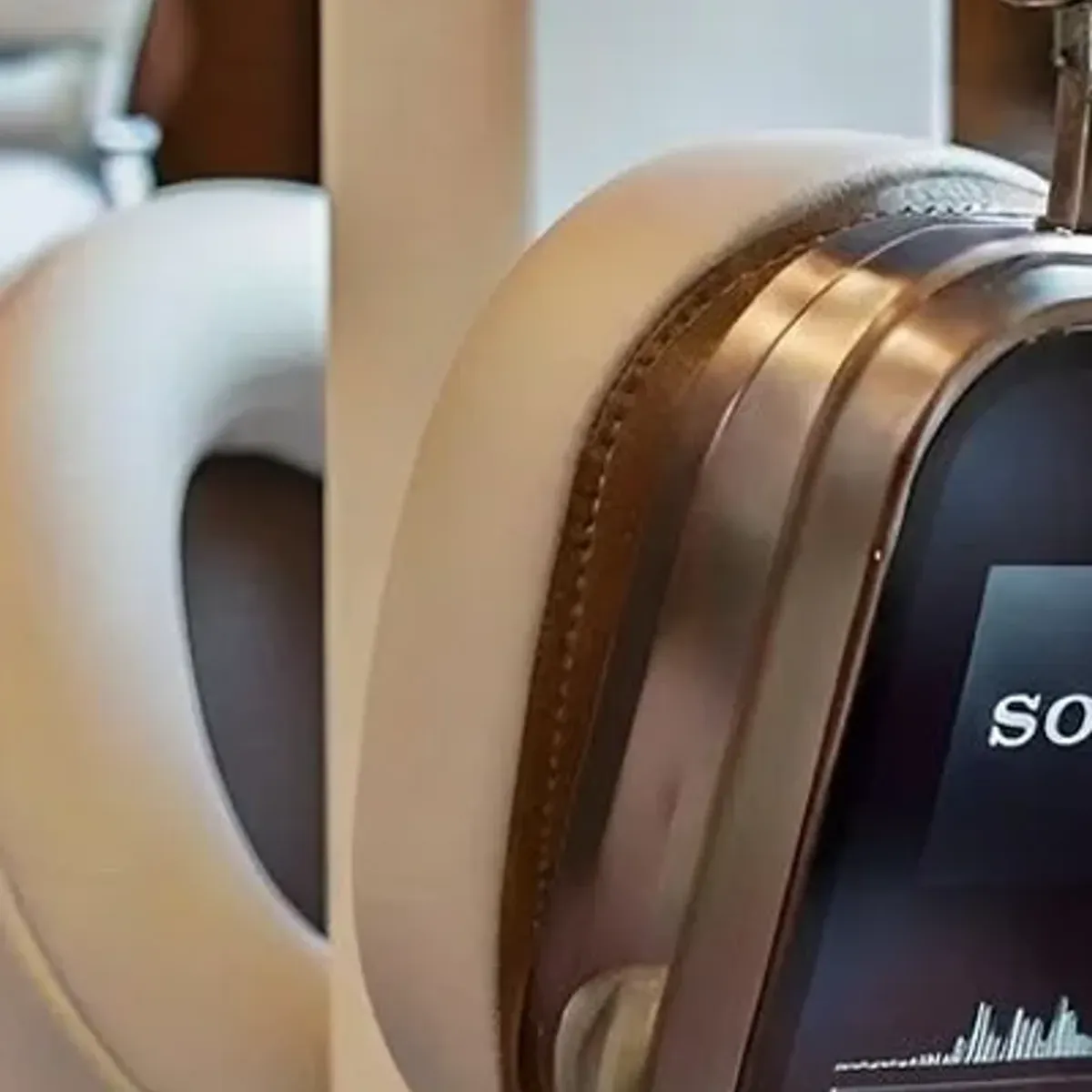
Ear pads are foam wrapped in leather or vinyl, and foam has memory. Stuff headphones in a bag or drawer, and the pads compress into flattened shapes that never fully recover, which leaks bass and creates the glasses-pressure gap faster. A stand holds the pads at natural shape.
The second killer is pressure on the headband. Narrow hooks and poles crease the band’s padding permanently; wide curved tops spread the load. The pedestal in the photo is the extreme version: a full-width cradle that touches the band across its arc.
Desk Stands: The Standard
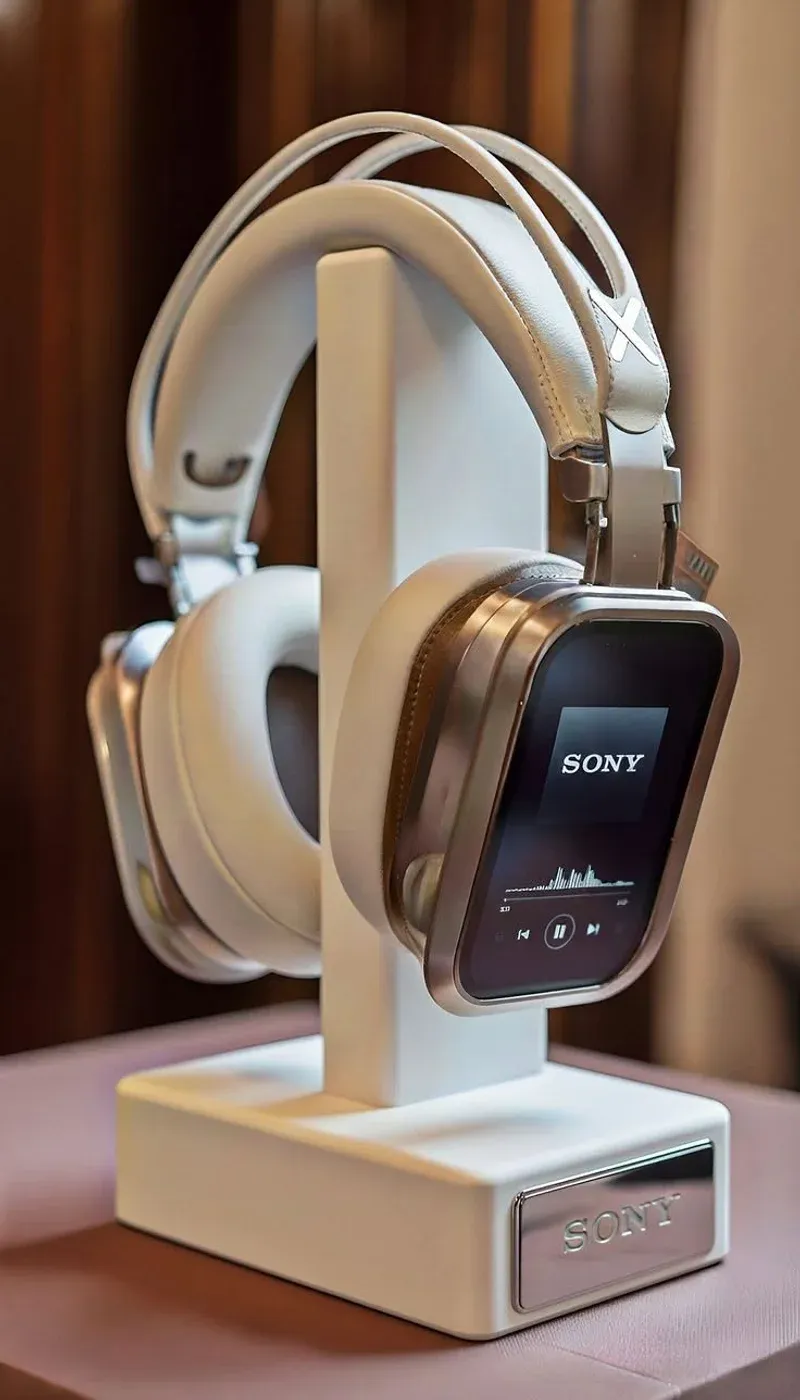
The classic desk stand is a weighted base, a vertical column, and a curved top arc. Solid wood and aluminum versions anchor a setup visually; the white pedestal style in the photo turns headphones into a display object at the cost of desk space.
Desk stands suit anyone whose headphones live on the desk anyway.
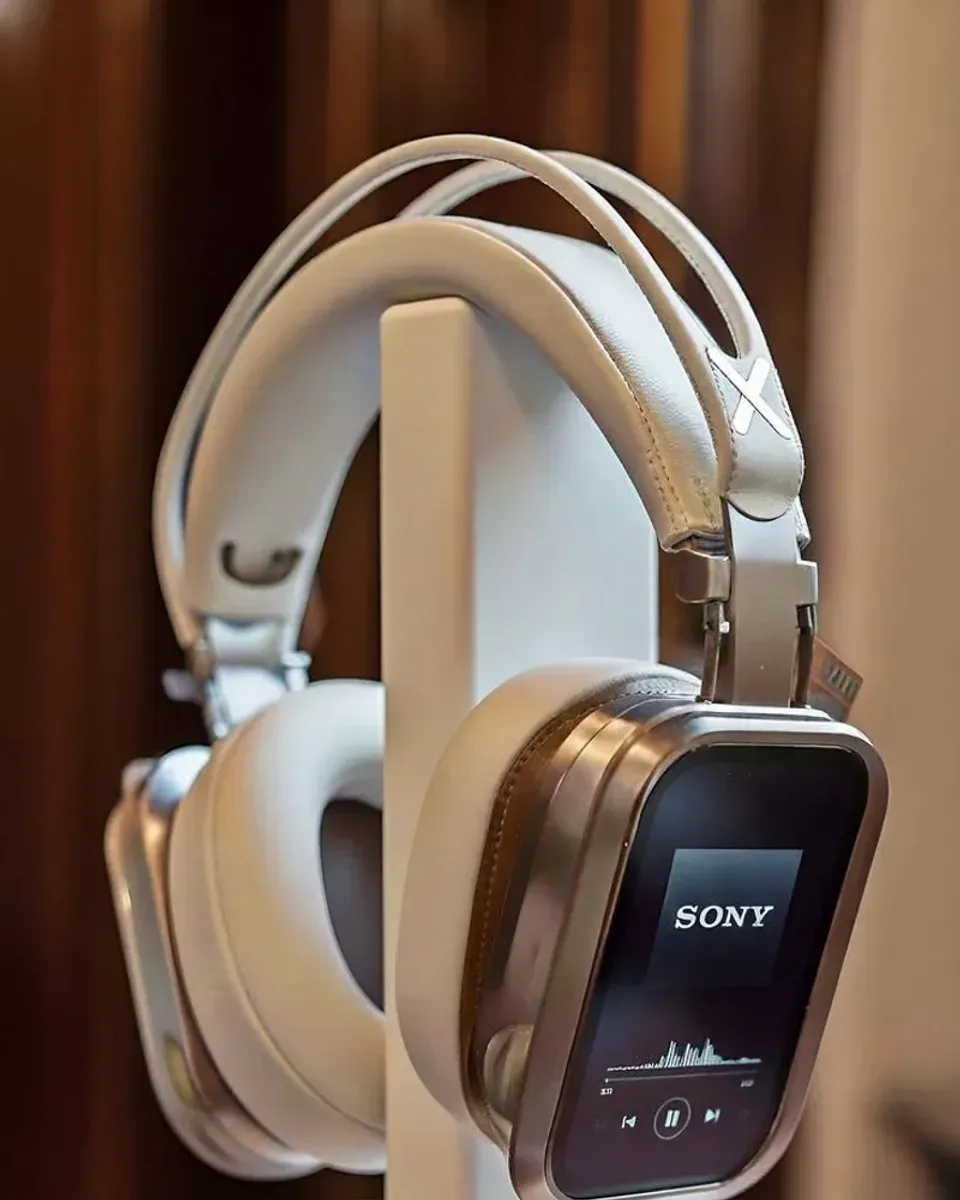 The tradeoffs: surface space consumed, and top width varies, so check that the arc is wide enough for your cups.
Under-Desk Hangers: The Space Saver
An under-desk hanger clamps or adhesive-mounts to the desk edge and holds the headphones below the surface, out of sight and out of the coffee zone. It saves the entire footprint, and the headphones hang by the headband naturally.
The tradeoff: the band carries the full weight on the hook, so choose hangers with wide, padded hooks. Rotating hangers swing out when needed and tuck under when not.
🏷 Wall mounts Wall Mounts →
Wall Mounts: The Display Layer
Wall mounts turn headphones into art: a hook or cradle at eye level above the desk. They save all surface space and put the headphones in the camera frame for desk-setup shots. The cost is drilling, and a fixed position that does not move when the desk does.
Who should buy which?
Desk-stand buyers: anyone with surface space who wants the headphones visible and reachable during calls. The pedestal style suits light desks and minimal setups.
Under-desk buyers: small desks, cable-heavy workstations, and anyone whose desk surface is already claimed.
Wall-mount buyers: dark-setup builders
 and streamers whose headphones appear on camera, and anyone who has stopped rearranging their desk.
Verdict
✅ Pros:
- Preserves ear pad shape and extends headphone lifespan
- Turns a 300-dollar purchase into part of the room
- Three styles cover every desk and space situation
- Wide-top stands prevent headband creasing
- Wall mounts add camera-friendly display layer
- Solid options start under 20 dollars
❌ Cons:
- Narrow poles crease premium headbands permanently
- Desk stands claim prime surface space
- Wall mounts require drilling and fixed positions
- Style stands cost styling money, not protection money
- Under-desk hooks concentrate weight on one band spot
- Nothing protects from dust; stands are display, not storage
🏷 More audio accessories Audio Accessories →
🇩🇪 This article is also available in Deutsch:
Read in Deutsch →
FAQ
Do headphones need a stand?
Technically no, practically yes. Headphones stuffed in drawers compress the ear pads into memory shapes, tangle cables, and pick up desk scratches. A stand holds the pads at natural shape and turns the headphones into part of the room.
Which stand style is best?
Desk stands with a wide, curved top distribute headband weight best. Under-desk hangers save surface space. Wall mounts save both but require drilling. All three protect headphones equally; the choice is desk space.
Can a stand damage headphones?
Only narrow-top stands. A thin pole concentrates the headband's weight on one spot and creases premium leather or vinyl over months. Wide, curved tops spread the load across the band's full arc.
Do stands work for all headphone sizes?
Most desk stands fit any headphone from compact on-ears to large over-ears. Check the top width: wide cups like the Sony XM6 or Sennheiser HD 660 need stands with 5 cm or wider surfaces.
How much does a good headphone stand cost?
Solid desk stands run 15 to 40 dollars. Under-desk hangers 10 to 20 dollars. Premium aluminum or wooden display stands with metal plates run 50 to 150 dollars, which is styling budget, not protection budget.

Continue reading
Sony WH-1000XM5 vs XM6: Which Should You Actually Buy?
Sony WH-1000XM5 vs XM6 comparison: folding design, QN3 processor, ANC improvements, and price gaps explained. When the discounted XM5 is the smarter buy and when the XM6 is worth the difference.

Marshall Major IV Review: 80 Hours of Battery in the Classic On-Ear
Marshall Major IV review: on-ear Bluetooth headphones with 80-hour battery, wireless charging, multi-directional control knob, and the classic Marshall styling. What holds up and what does not.
USB-C DAC Dongles and IEMs: The Pocket Hi-Fi Chain Explained
USB-C DAC dongle and IEM guide: how the phone-to-dongle-to-IEM chain works, what 4.4mm balanced adds, which specs matter at 50 dollars, and how to build the pocket hi-fi setup in the photo.