Camera Settings Cheat Sheet: 10 Scenes With Aperture, Shutter Speed, and ISO
Portrait, landscape, action, night: the ten setting combos from the widely shared camera cheat sheet, why each one works, and the camera to practice them on.
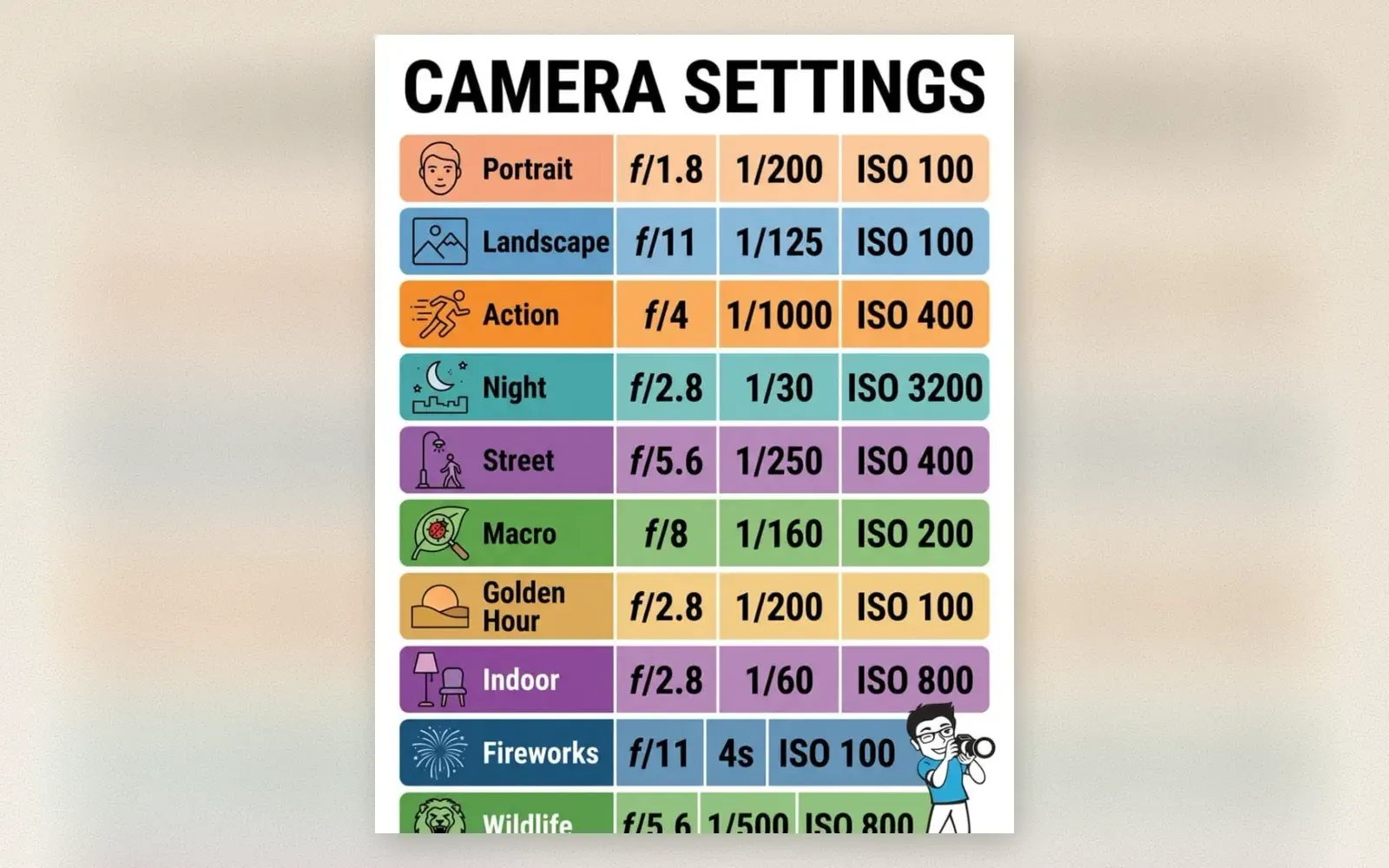
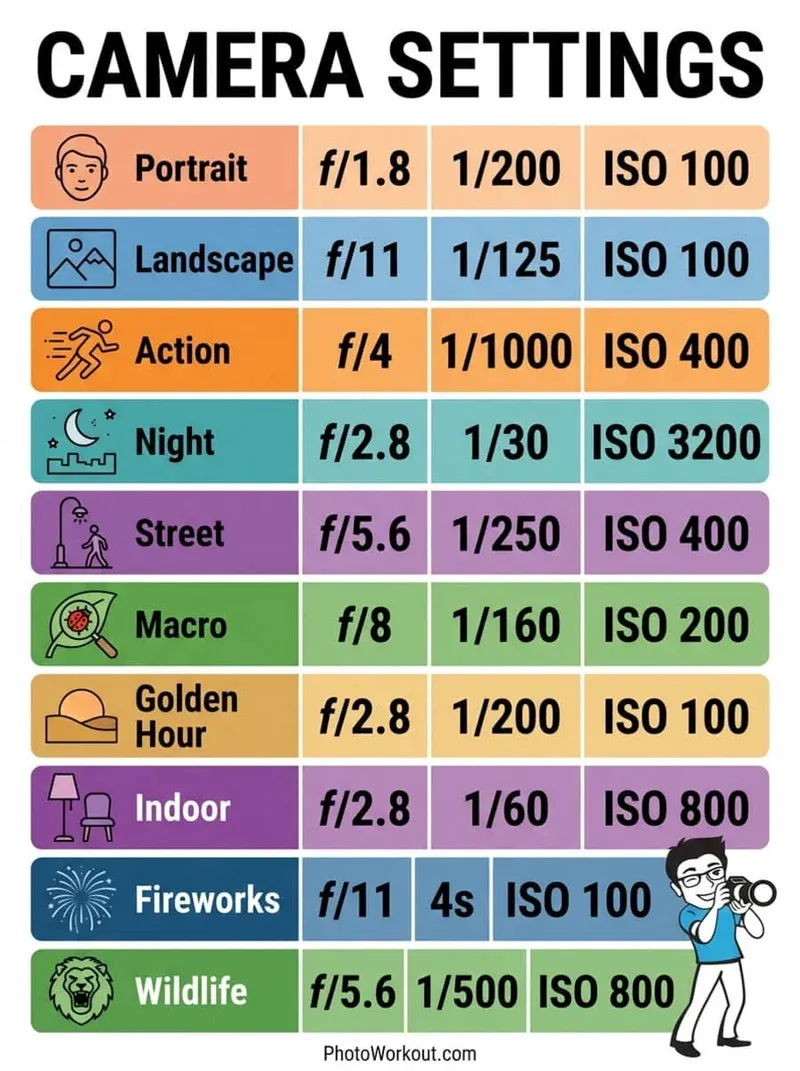
The camera settings cheat sheet that PhotoWorkout put together keeps resurfacing for a good reason: it compresses ten common scenes into ten rows of three numbers, and those rows are close enough to correct that you can shoot a whole weekend on them without the manual. Portrait is f/1.8 at 1/200 and ISO 100, fireworks are f/11 at four seconds and ISO 100, and everything between follows the same logic. This guide works through the sheet row by row and explains where to adapt when the light in front of you refuses to match the chart. As a practice body, the Canon EOS R100 with its 18-45 mm kit lens is a sensible pick: every setting on the sheet is reachable on it.
What settings does the cheat sheet recommend for ten common scenes?
The sheet assigns each scene a starting triangle of aperture, shutter speed, and ISO, tuned for typical conditions, not perfection. Treat the numbers as defaults you reach for first, then adjust to the light in front of you.
| Scene | Aperture | Shutter | ISO | What the combo buys you |
|---|---|---|---|---|
| Portrait | f/1.8 | 1/200 | 100 | Blurred background, sharp face, clean files |
| Landscape | f/11 | 1/125 | 100 | Depth of field front to back |
| Action | f/4 | 1/1000 | 400 | Frozen movement at usable sharpness |
| Night | f/2.8 | 1/30 | 3200 | Handheld exposures after dark |
| Street | f/5.6 | 1/250 | 400 | Depth for walk-up framing, quick enough for strides |
| Macro | f/8 | 1/160 | 200 | Fighting the razor-thin focus of close subjects |
| Golden hour | f/2.8 | 1/200 | 100 | Wide open in warm, fading light |
| Indoor | f/2.8 | 1/60 | 800 | Ordinary rooms without flash |
| Fireworks | f/11 | 4 s | 100 | Long trails without blowing out the bursts |
| Wildlife | f/5.6 | 1/500 | 800 | Birds and animals that refuse to hold still |
Five of the ten rows sit at base ISO because they happen in light you chose. The other five buy exposure back with sensitivity or time because the scene gives less than you want.
Why do these numbers work together?
Each row is a trade, and the cheat sheet is really a list of pre-made trades. Aperture controls how much of the scene is in focus, shutter controls how much motion gets frozen, and ISO controls how much light sensitivity you fake at the cost of noise. Portrait spends its budget on blur: f/1.8 melts the background, so the shutter can stay ordinary at 1/200. Action spends it on speed: 1/1000 costs two stops of light against 1/250, so the aperture opens to f/4 and the ISO climbs to 400 to pay the difference.
The night row shows the same logic under pressure. f/2.8 and 1/30 are the generous ends of their dials for handheld work, and the sheet still needs ISO 3200 to close the gap. That is why night files look grainier than portrait files: the grain is the price of the other two settings staying usable.
How do you adapt the sheet when the light changes?
Move one dial at a time, and start with ISO. If the indoor row gives you f/2.8 at 1/60 and ISO 800 but the evening is darker than typical, double the ISO to 1600 before you slow the shutter, because a blurry frame at low ISO is worth less than a sharp noisy one. Modern APS-C sensors stay usable through ISO 3200 for social sizes, and the R100 is no exception.
Keep a handheld floor in mind: most people hold 1/60 steady, 1/30 only with elbows braced. Below that the night row assumes you are resting on something. The last resort is aperture, because changing it shifts the whole look of the image. Street at f/11 stops being street rendering, even when the meter says it is bright enough.
Is the Canon EOS R100 a good camera to practice these settings?
It is built for this stage. The R100 pairs a 24.1-megapixel APS-C sensor with Dual Pixel autofocus that tracks faces and eyes, shoots bursts at 6.5 frames per second, and records 4K video. The dials give you full manual plus the semi-automatic steps, so you can shoot the sheet in M and check each row against what the camera would have picked.
The kit lens covers the focal length range most of the sheet needs. At 18 mm you shoot the landscape row, at 45 mm the portrait row lands close enough, and the f/4.5-6.3 range teaches you honestly why the sheet asks portrait for f/1.8, because the kit lens cannot open that far. At around 440 euros in frequent kit deals, it is the cheapest practice rig that behaves like a proper camera.
Verdict
The cheat sheet holds up as a first month of shooting. Its ten rows encode the exposure triangle in combinations that produce keepable files in their intended light, and adapting them teaches you the dials faster than any tutorial. Put them on a body like the EOS R100, shoot every row deliberately, and the chart stops being a crutch: the reasoning behind each number has moved into your hands.
✅ Pros
- Ten ready-made starting triangles cover the scenes beginners actually shoot
- The logic behind every row transfers to any camera you own later
- The R100 kit reaches every setting on the sheet for around 440 euros
❌ Cons
- Defaults tuned for typical light need adjusting at the edges of the day
- The kit lens cannot hit the portrait row’s f/1.8, so that row waits for a prime
- Four-second fireworks exposures assume a tripod the sheet does not mention
FAQ
What are the best camera settings for portraits?
The cheat sheet calls for f/1.8, 1/200 of a second, and ISO 100. The wide aperture blurs the background and separates the face, 1/200 freezes small movements, and ISO 100 keeps the image clean in the light you would normally choose for portraits.
What settings should I use for night photography without a tripod?
Start from f/2.8, 1/30, and ISO 3200. The fast aperture and high ISO pull in what light exists, and 1/30 is about the slowest shutter you can handhold steadily. If the result still comes out dark, raise the ISO further before you touch anything else.
Which camera is good for learning manual settings?
An entry mirrorless like the Canon EOS R100 works well. It has real mode dials, an aperture-capable kit lens, face and eye autofocus, and enough image quality at ISO 800 to make the indoor and night rows of the cheat sheet usable.

Continue reading
10 Camera and Drone View Commands That Change How Your Photos Look
Droneview, topdown, birdseye, lowangle: what the ten view commands from the viral cheat sheet mean, and how to shoot them with AI prompts or a real drone.
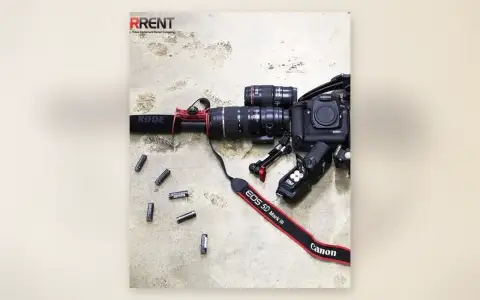
Canon 5D Mark III Video Rig: Every Piece in This Flat Lay Explained
A working Canon 5D Mark III video rig in one flat lay: Rode shotgun mic, battery grip, telephoto glass, speedlite, and the small parts that keep a shoot alive.
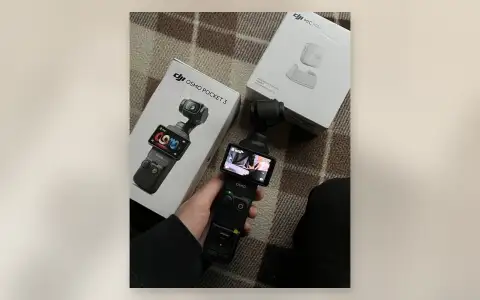
DJI Osmo Pocket 3 Mic Mini Bundle: The Lightest Full Vlogging Kit You Can Carry
The Osmo Pocket 3 with the DJI Mic Mini transmitter: a 10 gram mic with 11.5 hours of battery, 4K/120fps gimbal footage, and every accessory in one box.