Lilac Kids Instant Print Camera: A Real Camera That Prints Its Own Photos
The lilac kids instant print camera prints a small black and white photo seconds after you press the shutter, and stores the color originals on a card. What the Hangrui and similar models actually do, and who they suit.
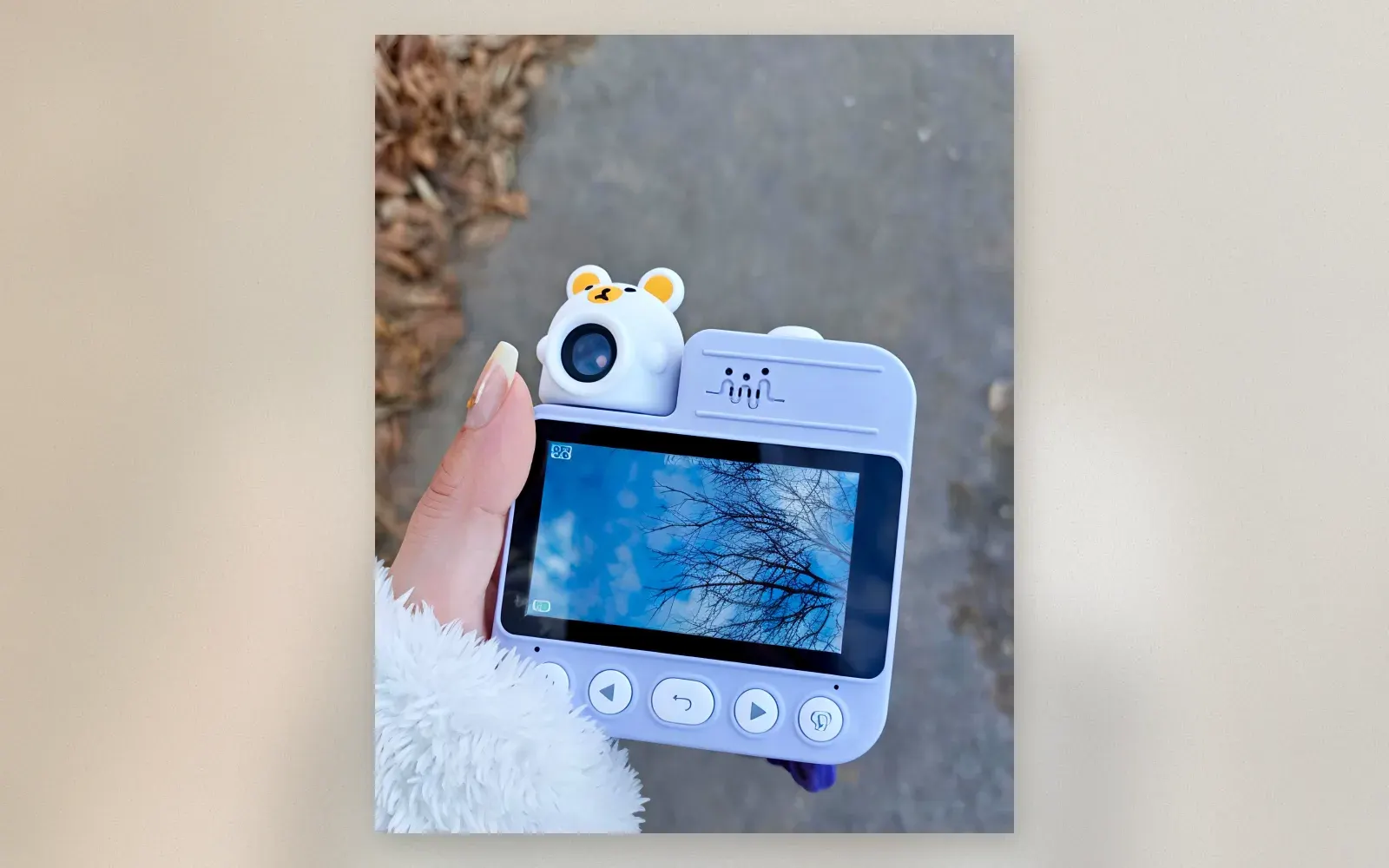
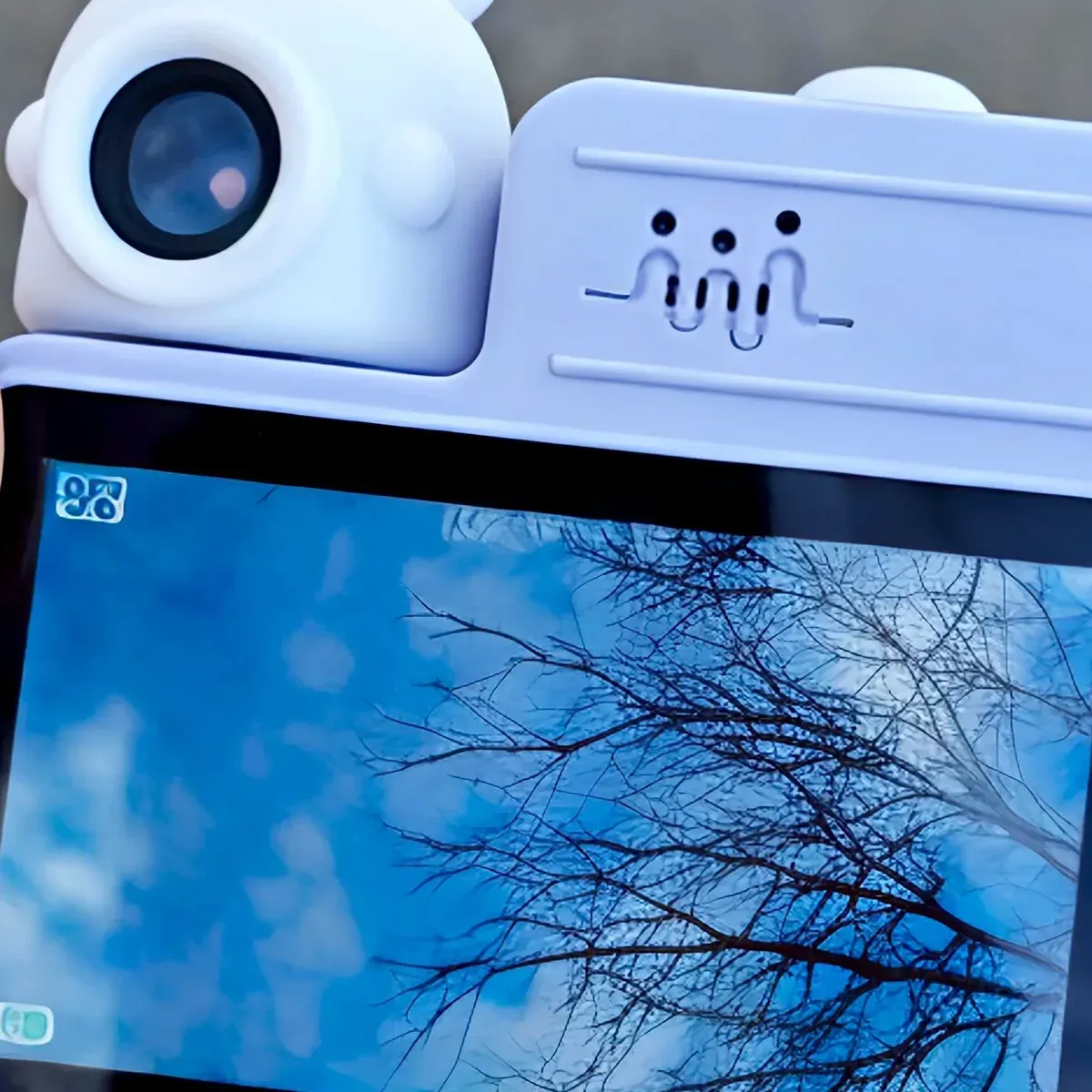
A camera that spits out a photo of your child, seconds after the shutter, is one of those toys that look like a gimmick and then quietly get used every week. The lilac kids instant print camera does exactly this: press the button, the little printer inside runs with a faint whirring sound, and a postcard sized black and white photo slides out of the slot. No ink, no cartridges, no waiting for the photo to develop. Pairs of ears on the top, one big lens ring in the center, and a lavender body round the design off into something a five year old will happily carry on the included lanyard.
How the instant printing actually works
The trick is thermal paper, the same coated paper your supermarket receipts use. A heating element with a row of micro dots reacts with the coating, darkening it where hot. Because there is no liquid ink, nothing dries out and nothing needs replacing except the paper itself: the camera takes small paper rolls, and slots the finished strip into the front. The Hangrui model prints a 2 inch wide strip; other brands with the same core design use similar formats, so the refill rolls are cheap and interchangeable in most cases.
Speed is the whole point. You get a photo in hand within roughly ten seconds of the shot. That timing matters with children: the souvenirs come out before they lose interest, and the party can continue while the printer works on the next one.
What the camera captures beyond the prints
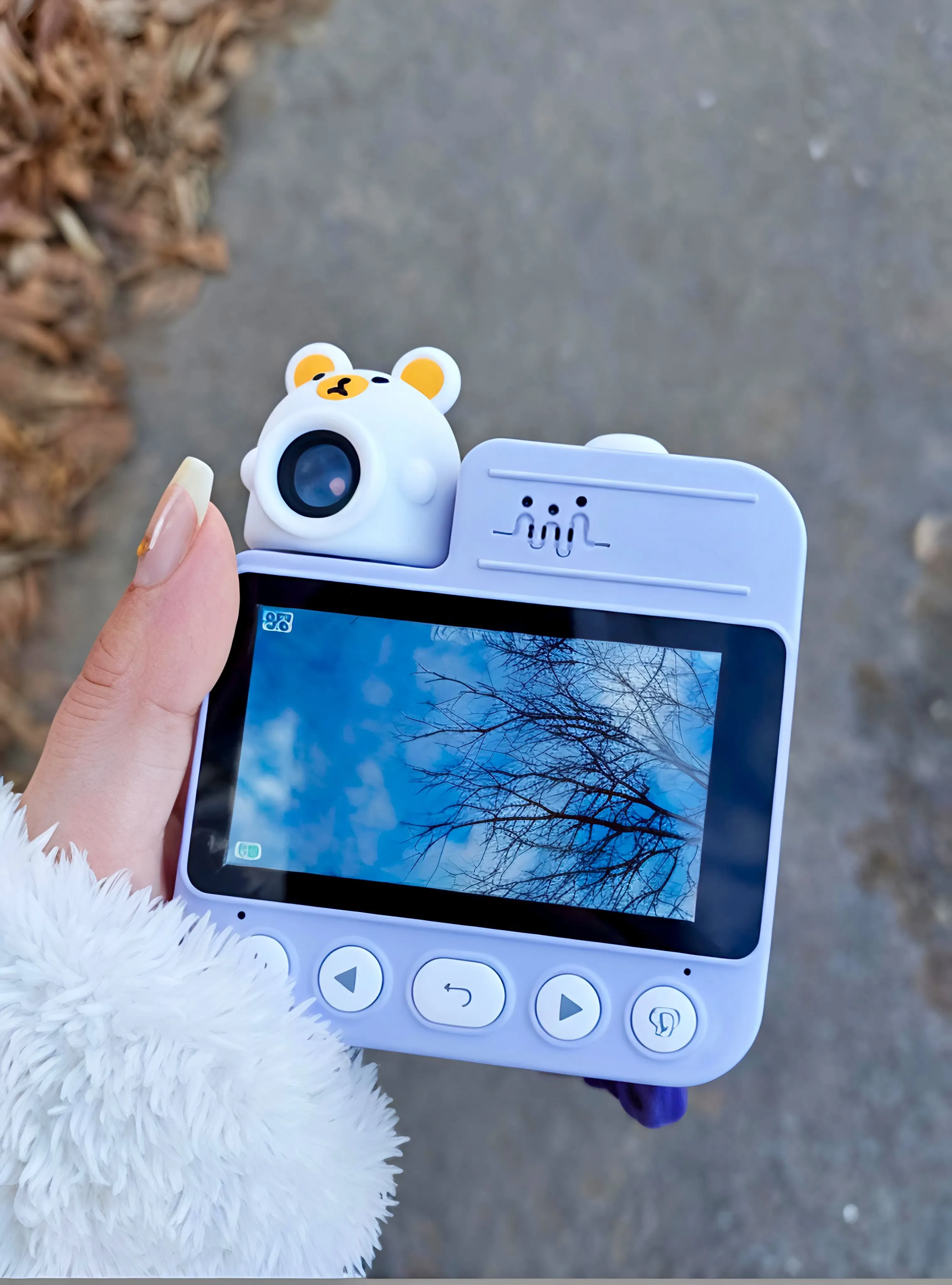
Under the toy shell this is a real digital camera point and shoot. The Hangrui model stores 14 MP JPEG photos and 1080p HD video on a microSD card; the card and the USB cable come in the box, and the camera charges over USB. The color versions of every shot stay on the card even after the thermal print has slid out, which is the honest answer to the usual question: the printed black and white copy is a souvenir, the real photo lives on the memory card and can be copied to a laptop years later.
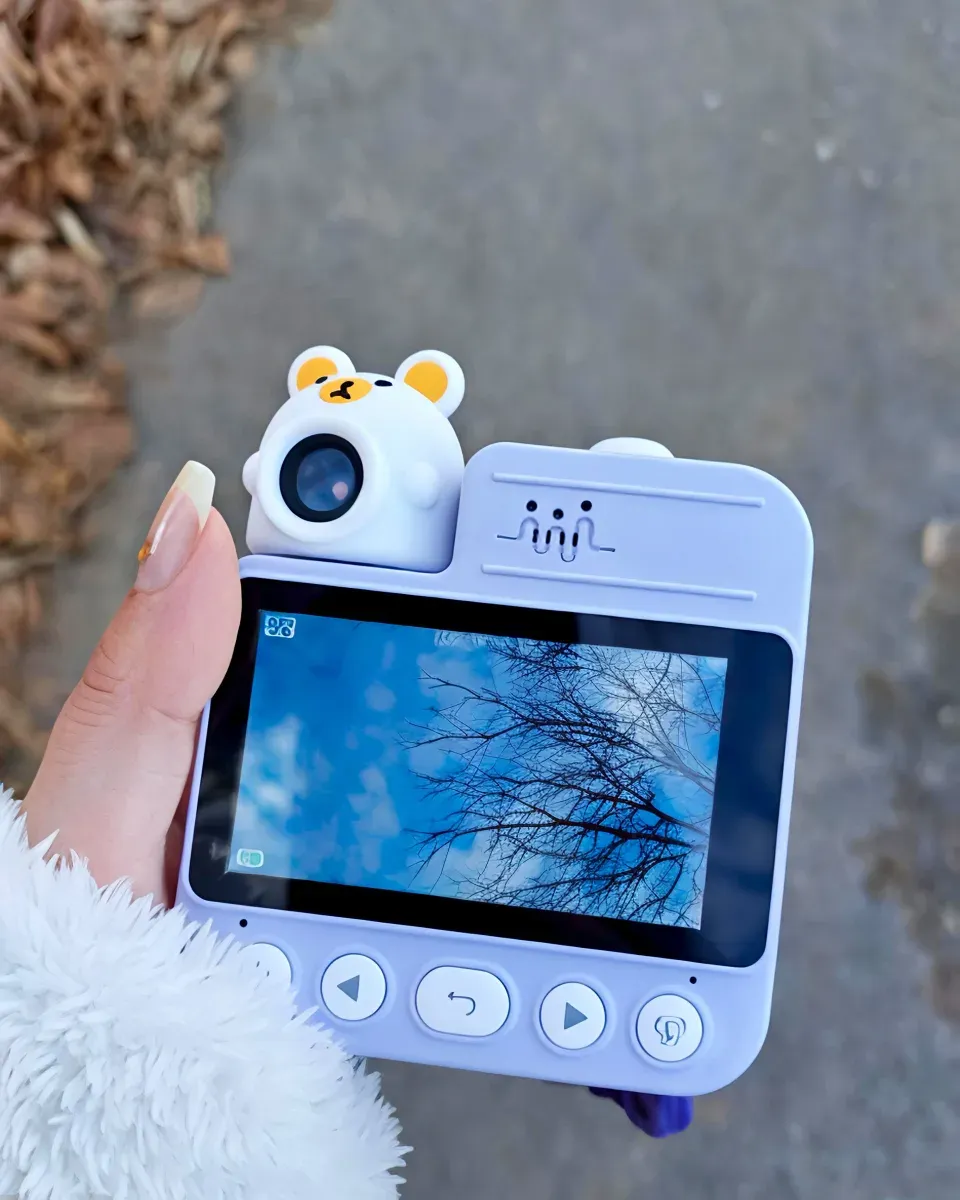
Screen, controls and handling follow the same logic. A small LCD on the back shows the live shot and the saved gallery, big rubbery buttons are positioned for child hands, and the body is a light plastic that survives the drop onto the carpet that is statistically guaranteed. The lens has a fixed focus with a close up mode for shots nearer than normally possible, and the whole startup takes a few seconds from the off switch.
What you spend after the purchase price
The camera itself sits around the 28 EUR mark on Amazon.de at the time of writing (Hangrui H9, list around 35,99 EUR, currently discounted). The real running cost is paper: thermal rolls come in packs, and a roll of several dozen shots costs a couple of euros. Heavy use, meaning a birthday party or a family visit, eats one roll in an evening. Budget roughly 10 to 20 EUR of paper for the first months of enthusiasm if you do not want to ration the shots.
Battery life runs for a day of casual photography, longer if the printing stays off; charging happens over USB, so a recharging break fits the evening routine. One realistic limitation: prints are black and white and noticeably soft. That is the thermal format, not a defect: it is what you get for the price, and the full color photos stay on the card for anything you want to keep properly.
Who actually enjoys this camera
The target audience is four to ten, depending on how careful your particular child is with gadgets. Children well below four mostly enjoy pulling each printed strip out of the slot; around five and up they start composing their own shots, and this is where the camera goes from toy to hobby. The electronic pet look, the shutter sound, the tactile roll and slot: these details are a huge part of the attraction for that age group. For teenagers the image quality is too limited, and you will do them a favor buying a proper used compact instead.
Whether the lilac instant print camera earns a place in your household depends on whether you accept a print ratio close to one photo, one paper roll. Families who have one child obsessed with cameras: easy yes, and the 28 EUR price tag is fair for a real gadget with a genuinely novel feature. If you are not sure the novelty will outlast the first month, keep the first refill pack cheap and see whether the camera ends up in the drawer with the plush animals or on the shelf where it lives.
✅ Pros
- Prints in seconds with no ink, pure thermal paper
- Stores 14 MP photos and 1080p video on the included microSD card
- Real shutter button, big physical controls, lanyard in the box
- 28 EUR at the time of writing is a fair price for the feature set
❌ Cons
- Prints are black and white and soft; fine detail is limited
- Paper rolls are a recurring cost and get used up fast at parties
- Fitted toy shell means the image quality will never match a phone
- Older and younger children get different value out of it
FAQ
How does a kids instant print camera work without ink?
It uses the same thermal printing technology as receipt printers: heat paper in a small roller inside the body reacts with coated paper, so photos come out as black and white prints in a few seconds with nothing to refill except the paper rolls.
Do the printed photos really last?
Thermal prints on this paper type fade slowly over years, especially with heat and sunlight. The camera also saves the full color photo on the microSD card, so the important ones can be reprinted later or kept digitally.
Is a kids instant print camera better than letting a child use a phone?
For small children, mostly yes: a photo camera with one job, a real shutter button, no apps and no notifications keeps the experience simple. The phone still wins on image quality and storage, so consider the kids camera as a toy with real functions, not a phone replacement.

Continue reading
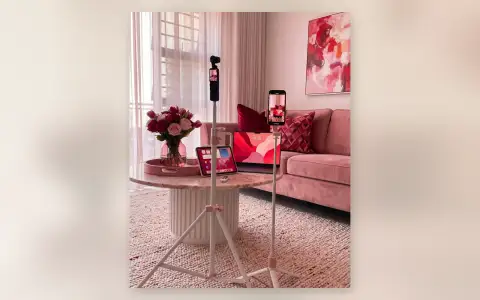
DJI Osmo Pocket 3 Creator Combo Review: The Pink Desk Setup Camera That Films Itself
The Osmo Pocket 3 Creator Combo is the camera holding a whole pink content corner together: 1-inch sensor, 4K/120fps, DJI Mic 2, battery handle. What works, what limits it, is it worth 419 euros.
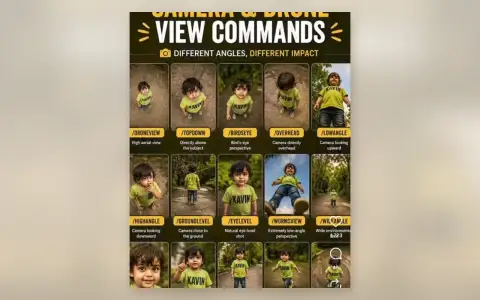
10 Camera and Drone View Commands That Change How Your Photos Look
Droneview, topdown, birdseye, lowangle: what the ten view commands from the viral cheat sheet mean, and how to shoot them with AI prompts or a real drone.
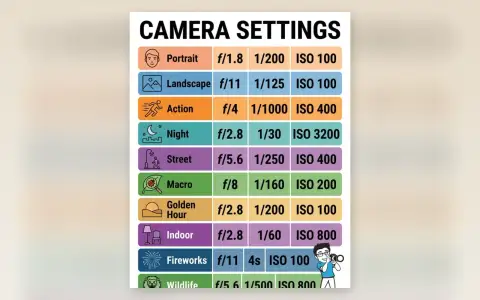
Camera Settings Cheat Sheet: 10 Scenes With Aperture, Shutter Speed, and ISO
Portrait, landscape, action, night: the ten setting combos from the widely shared camera cheat sheet, why each one works, and the camera to practice them on.