Fujifilm X-T5 Review 2026: 40MP of Proof That Buttons Beat Menus
Fujifilm X-T5 review: 40MP APS-C sensor, film simulations, five-axis IBIS in a 557g body. What this 1600 euro camera gets right and who should skip it.
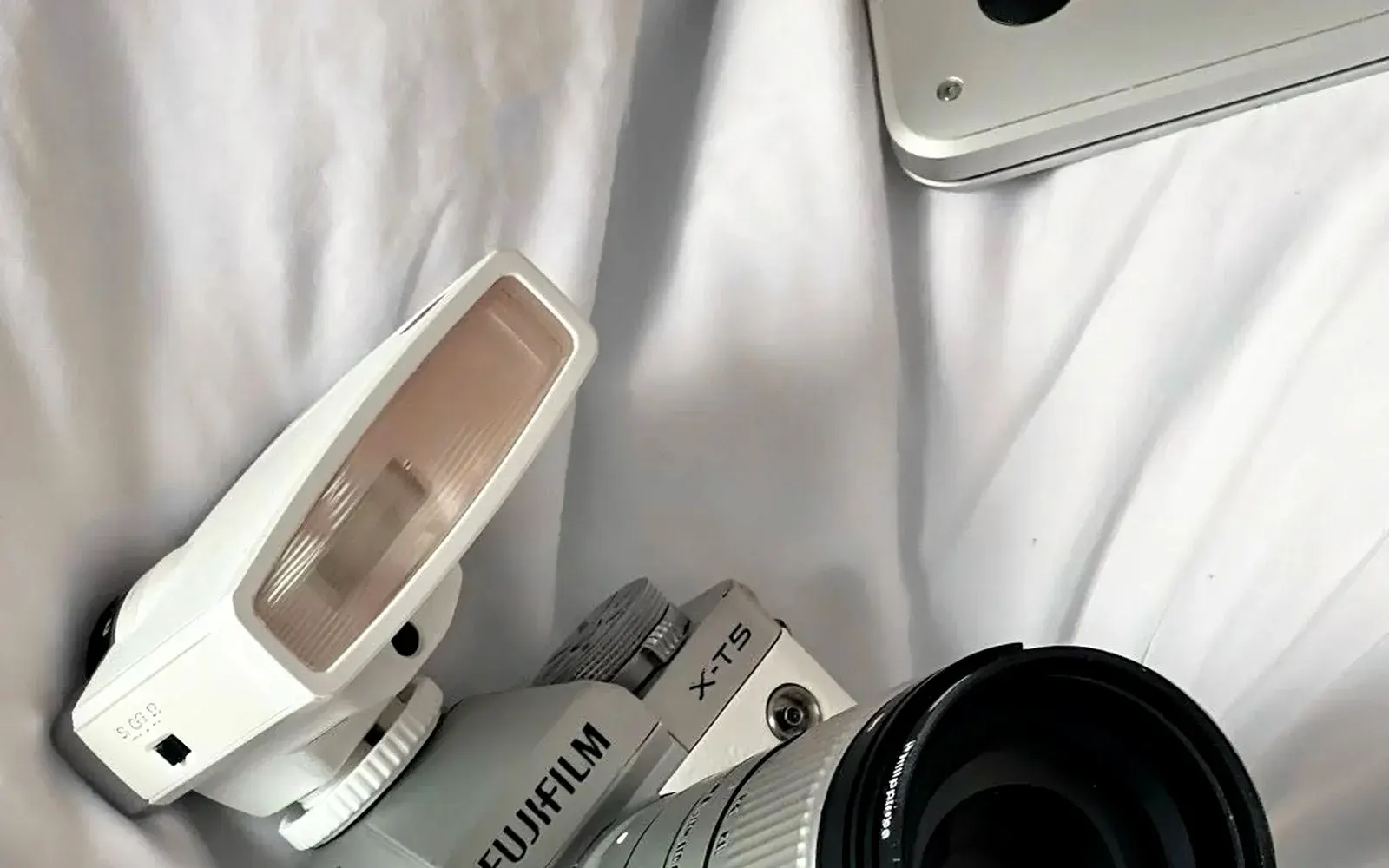
Some cameras chase video specs. The Fujifilm X-T5 chases the feeling of taking a photograph: a 40MP APS-C sensor, five mechanical dials on top, and fourteen film simulations that make every card slot feel like a different roll of film. We shot with it for weeks, in streets, in dim cafes, and on slow walks with no plan at all. Here is the honest version.
🏷 Fujifilm X-T5 Fujifilm X-T5 on Amazon →
Is the Fujifilm X-T5 still worth it in 2026?
For people who shoot stills, yes, and the gap has widened with time. The 40MP X-Trans sensor resolves detail that embarrasses most full-frame 24MP bodies, the five-axis IBIS is rated for up to seven stops, and the whole package weighs 557 grams, which means it comes along on the walks where pictures actually happen. DPReview’s testing put its image quality among the best APS-C has ever managed, and four years of firmware updates have only refined the autofocus. Around 1600 euros for the body is not cheap, but it is less than any full-frame body with comparable resolution, and the files hold up to heavy cropping without falling apart.
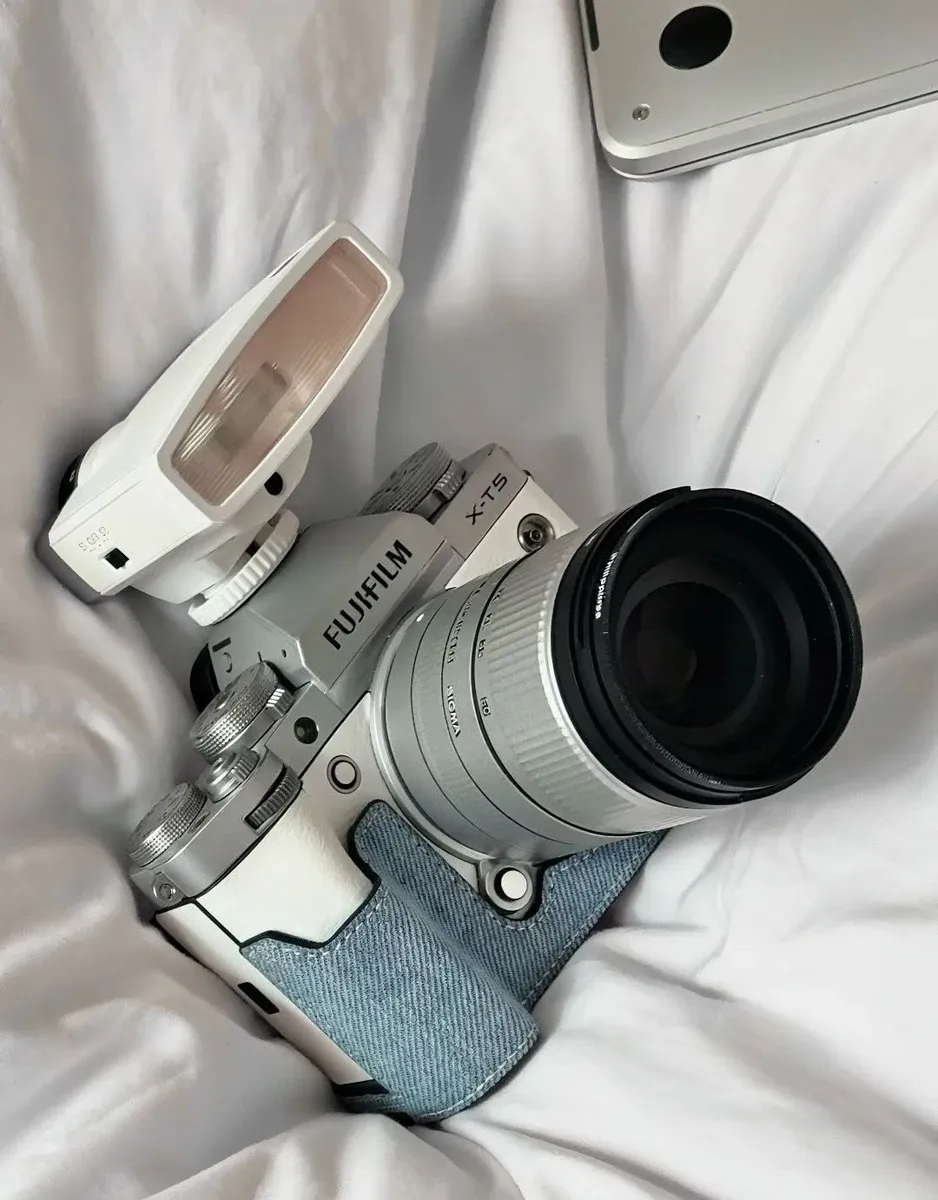
What do the dials and film simulations change in practice?
Everything about the shooting rhythm. Instead of diving into menus, you set ISO, shutter speed, and exposure compensation with your thumb while raising the camera, and the exposure dial stops being a screen you glance at and becomes a habit, like checking a rearview mirror. The film simulations are the other half: Classic Chrome renders street scenes with muted tones that would take an editing session to match, Acros pushes black and white grain in a way that makes you compose for it, and each JPEG comes out finished. Shoot RAW alongside and you keep the negative, but the simulations are why many owners stop fussing with color grading entirely.
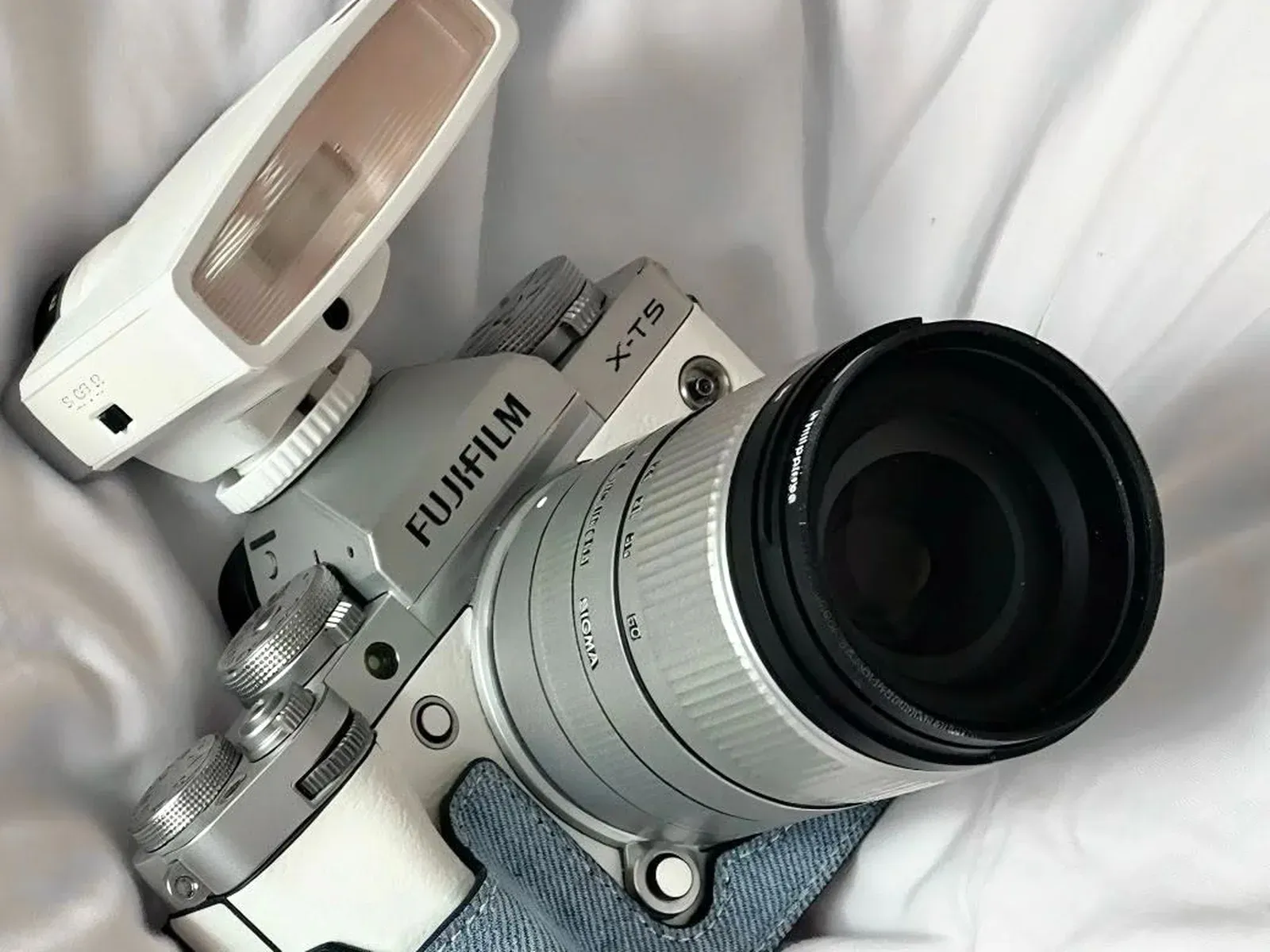
How good is the image quality and the autofocus?
The stills are the headline. At base ISO the files crop like they have room to spare, dynamic range is wide enough to pull shadow detail from a backlit street, and subject detection now covers animals, vehicles, and faces reliably. The catch is physics: in dim rooms the smaller APS-C sensor trails full frame once you push past ISO 6400, and fast panning in video shows rolling shutter. For action shooters, 15 fps with the mechanical shutter is generous, but the buffer clears slower than a sports body. In daylight, nothing about these limits will show up in your pictures.
🏷 Lenses and accessories for the X-T5 Batteries, cases and lenses on Amazon →
Who should skip the Fujifilm X-T5?
Skip it if your week is mostly video: the X-S20 adds a grip, a fan, and open-gate workflows for less money. Skip it if you need long telephoto reach on a budget, because feeding a 40MP sensor properly is not cheap. And skip it if you want one camera to do everything silently, since the mechanical shutter clacks and the speaker-less playback is a small thing you notice. But if your favorite days end with a card full of photographs rather than footage, the X-T5 makes those days better than almost anything near its price.
Verdict
The Fujifilm X-T5 is a camera built by people who take pictures, for people who take pictures. It gives up video ergonomics and low-light reach, and in exchange it delivers resolution, color, and a shooting experience that no menu-driven rival matches.
✅ Pros: 40MP APS-C image quality that crops freely, five-axis IBIS rated to seven stops, 557g body you actually carry, film simulations that finish JPEGs, weather-sealed magnesium build.
❌ Cons: no cooling fan for long video takes, rolling shutter on fast pans, battery trails mirrorless rivals, telephoto glass for 40MP is expensive.
🏷 Buy the Fujifilm X-T5 Fujifilm X-T5 on Amazon →
FAQ
Is the Fujifilm X-T5 still worth it in 2026?
Yes, for photography. The 40MP APS-C sensor, the film simulations, and the mechanical dials have aged better than most spec sheets, and used prices have come down. If your work is mostly stills, it still punches at the front of its class. Video-first shooters have more modern options.
What is the difference between the Fujifilm X-T5 and X-S20?
The X-T5 puts photography first: dials, a three-way tilting screen, a bigger viewfinder, and weather sealing. The X-S20 puts video and compactness first, with a grip, in-body fan, and 6K open gate recording. Same 40MP sensor family, two very different philosophies.
Can the Fujifilm X-T5 shoot good video?
Yes, with an asterisk. It records 6.2K open gate in 4:2:2 10-bit internally and 4K up to 60p, and F-Log2 gives you real grading latitude. But there is no cooling fan, the rolling shutter on fast pans is visible, and the ergonomics favor stills. Fine for b-roll and hybrid work, not the body for a video-first channel.
Which lenses make sense with the Fujifilm X-T5?
The 40MP sensor resolves detail sharply enough to punish cheap glass. Start with a sharp standard zoom like the Sigma 18-50mm f/2.8, add one prime such as the XF 35mm f/1.4 or 56mm f/1.2 for portraits, and keep the kit light, because the whole appeal of this body is that you actually want to carry it.

Continue reading

10 Camera and Drone View Commands That Change How Your Photos Look
Droneview, topdown, birdseye, lowangle: what the ten view commands from the viral cheat sheet mean, and how to shoot them with AI prompts or a real drone.
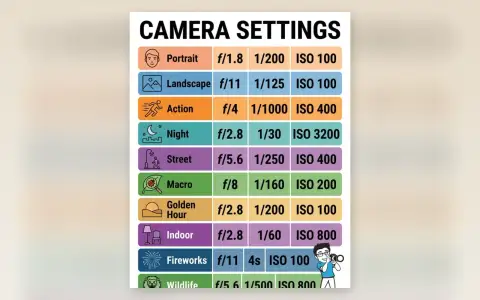
Camera Settings Cheat Sheet: 10 Scenes With Aperture, Shutter Speed, and ISO
Portrait, landscape, action, night: the ten setting combos from the widely shared camera cheat sheet, why each one works, and the camera to practice them on.

Canon 5D Mark III Video Rig: Every Piece in This Flat Lay Explained
A working Canon 5D Mark III video rig in one flat lay: Rode shotgun mic, battery grip, telephoto glass, speedlite, and the small parts that keep a shoot alive.