12 Light Modifiers Ranked: From Chinaball Soft to Snoot Hard
Light modifier cheat sheet: parabolic, octabox, softbox, chinaball, strip box, umbrella, beauty dish, fresnel, spotlight, telezoom, and snoot compared by softness and direction. Which modifier for which job.
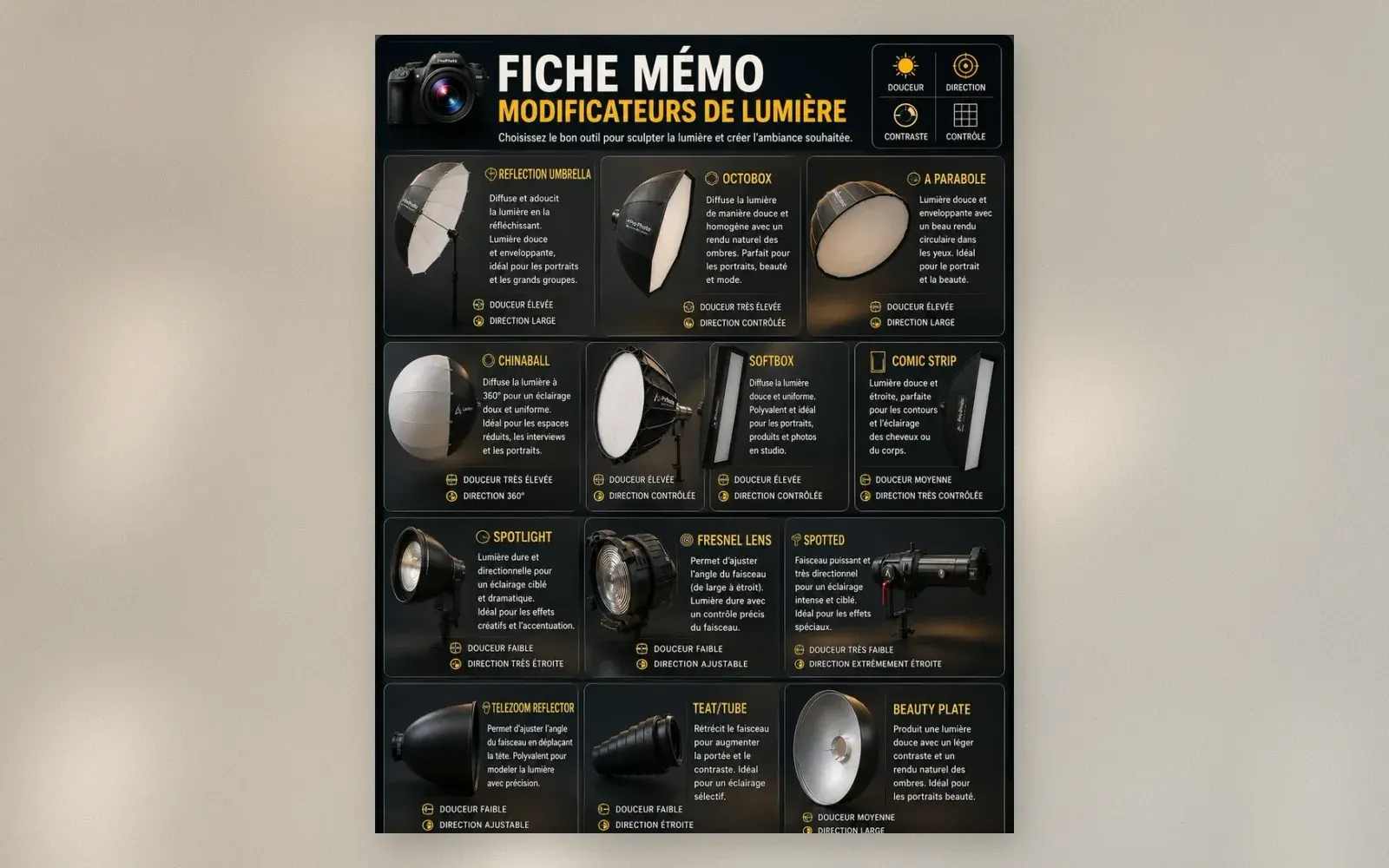
Pick a modifier, pick a mood. The twelve tools below span the full range from the chinaball, which wraps a face in 360-degree shadowless glow, to the snoot, which cuts a hard tunnel of light through a dark room. Two axes organize them: softness (how much the edges of shadows blur) and direction (how narrowly the beam concentrates). Every studio purchase decision reduces to where a modifier sits on those two axes.
🏷 Soft modifier starter Godox Softbox 60x90 → · Parabolic →
The Soft End: Wrap Light
The chinaball diffuses light through a paper lantern in every direction at once. Shadows nearly disappear, walls catch the spill, and the room becomes the light source. Interviews, small spaces, and any scene that needs gentle, omnidirectional fill live here. Softness: maximum. Direction: none.
The parabolic modifier focuses light through a deep umbrella shape and returns it as a soft, enveloping beam with circular catchlights in the eyes. Beauty and fashion photographers pay premium prices for parabolics because the catchlight reads as alive in close-up work.
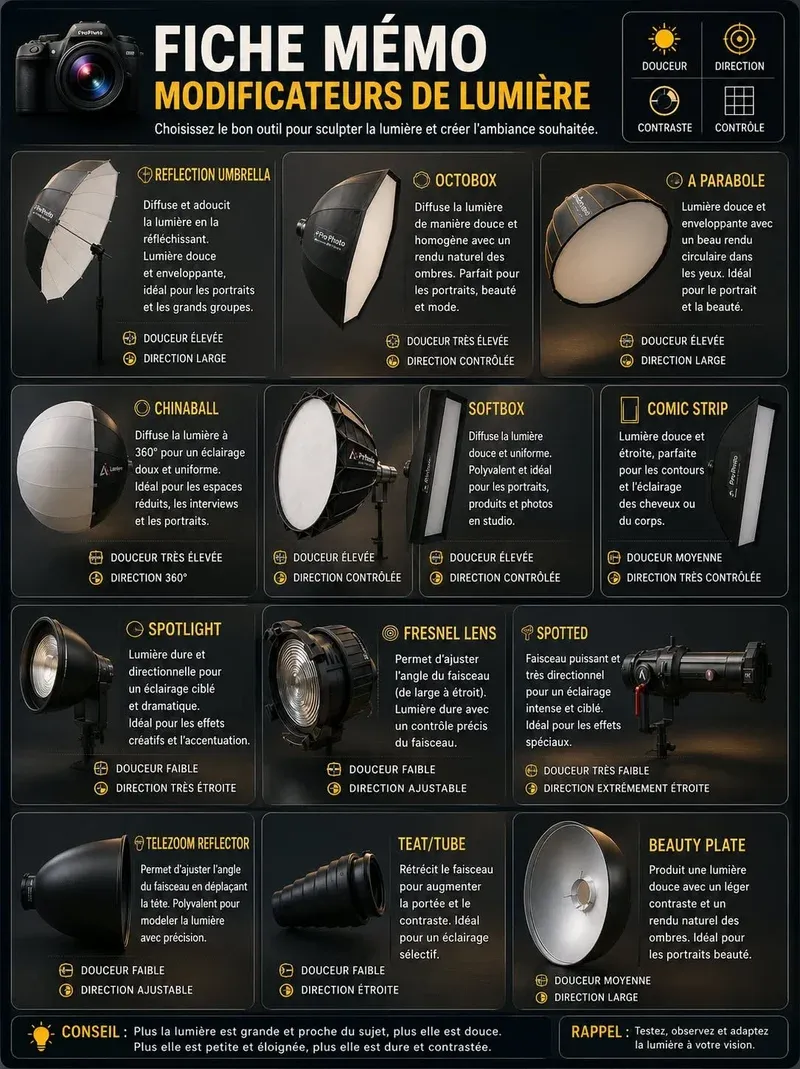
The octabox delivers soft, homogeneous light with a natural shadow edge and round catchlights. It is the default portrait modifier: large enough to wrap a face, directional enough to shape it.
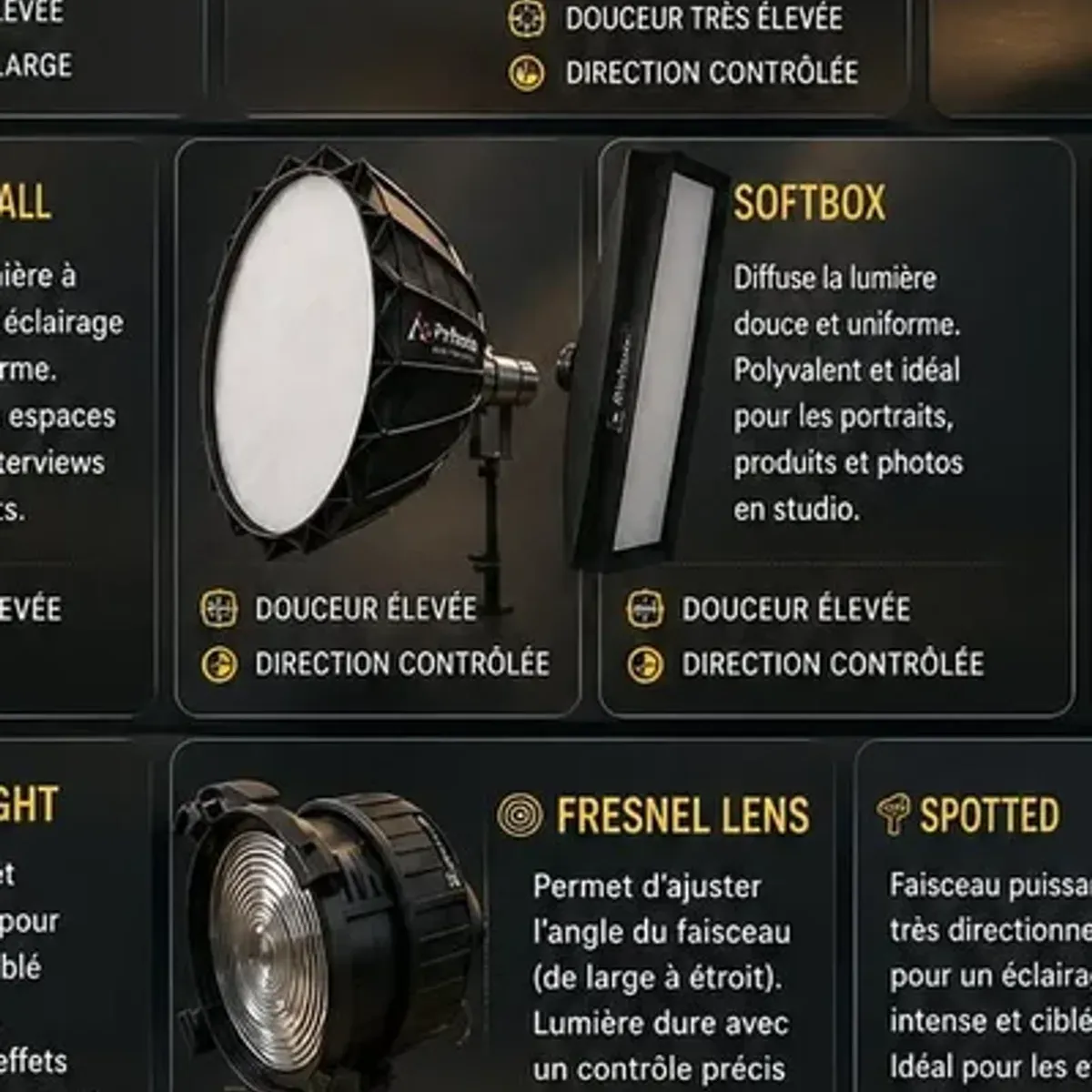
The softbox covers the same territory with a rectangular shape: soft, even, controlled. More versatile across product, food, and portrait work; less poetic in the eyes of close-up subjects.
The Middle: Shaped but Gentle
The reflection umbrella bounces light off its inner surface into a wide, soft spread. It is the cheapest soft modifier, sets up in seconds, and handles portraits and large groups. Control is crude; softness is real.
🏷 Umbrella and strip Umbrella → · Strip Box →
The strip box narrows the softbox into a tall, thin rectangle. Medium softness, very tight direction. It exists for edges: rim light along a jawline, highlights down hair, separation between subject and background. Fashion and fitness photography lean on strips for exactly this shaping.
The beauty dish sits in the contested middle: soft light that keeps a hint of contrast, natural shadows that still sculpt. Beauty portraits and cosmetics campaigns live here, because the dish flatters skin without erasing the texture that makes skin look real.
The Hard End: Carved Light
The fresnel lens focuses a hard beam and adjusts its angle from wide flood to narrow spot with a single slider. Theatre and film heritage; studio use for precise, dramatic key light with controlled falloff.
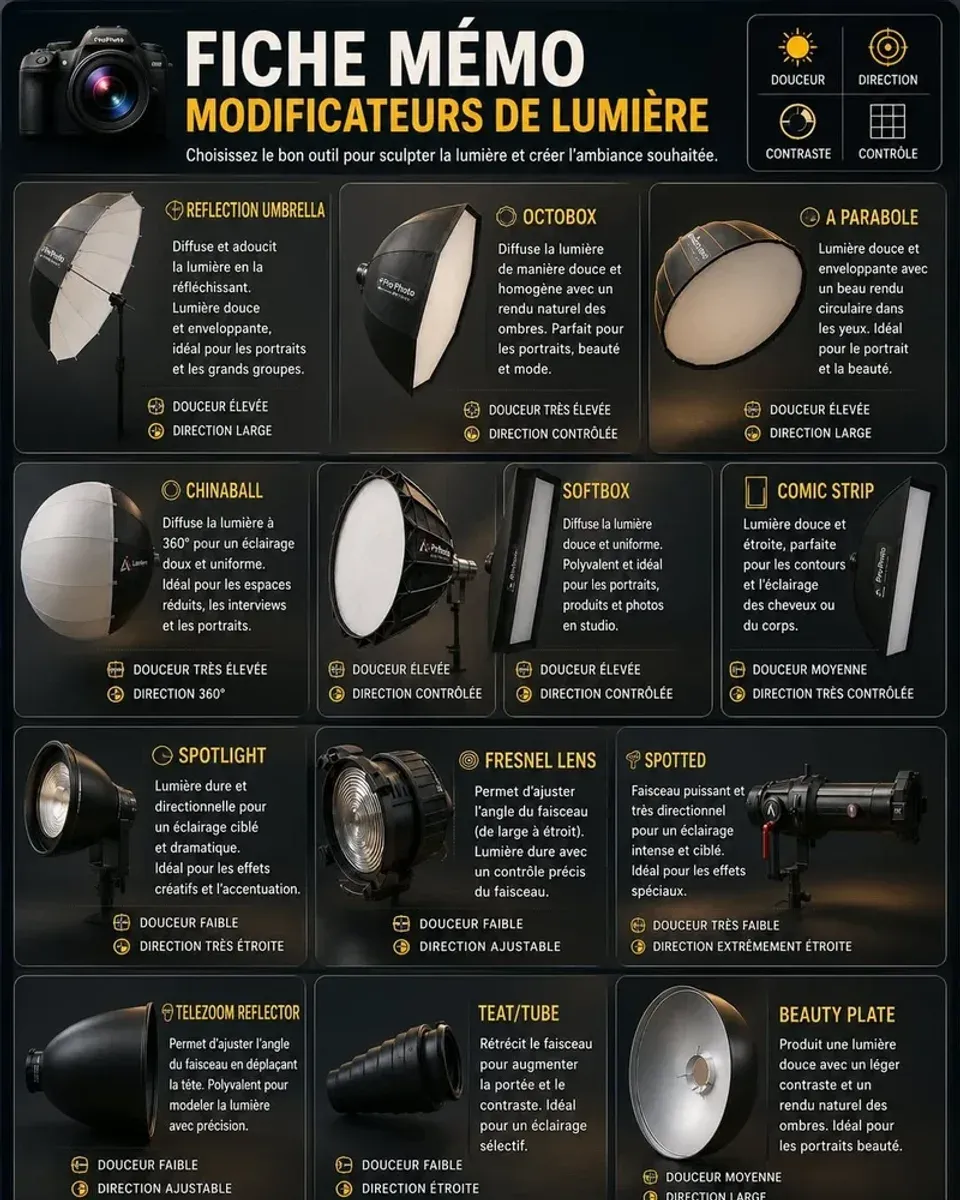
The spotlight throws a powerful, extremely narrow beam for dramatic accents and special effects. Gobos slide into some models to project patterns. Concert photography and cinematic studio work own this territory.
The telezoom reflector adjusts its beam by physically moving the head: flood for coverage, spot for punch. An old-school tool that still out-models most modern LED fixtures for focused hard light.
The snoot is the simplest and most brutal: a tube that narrows the beam to a tunnel. Maximum contrast, minimum spill. Hair light, rim light through a dark set, and any accent that must touch exactly one thing.
The One Rule Behind All Twelve
The closer and larger the light source relative to the subject, the softer the light. The farther and smaller, the harder and more contrasted. This is why a chinaball in a small room becomes a soft room-sized source, and why a beauty dish across the street would light like a hard spotlight. Modifier choice sets the ceiling; distance and size decide the actual softness.
Who should buy which end?
Beginners: one softbox or umbrella covers the first year. Add a reflector dish for contrast work before buying anything else. The soft end forgives; the hard end punishes every positioning mistake.
Portrait specialists: parabolic or octabox as the workhorse, beauty dish for close-up skin, strip for rim. That trio covers fashion, beauty, and editorial without redundancy.
Creative and commercial shooters: hard-light tools earn their shelf space. Fresnel, snoot, and spotlight produce looks that no soft modifier can fake, and clients pay premiums for light that sculpted rather than filled.
Verdict
✅ Pros:
- 12 modifiers span the complete soft-to-hard spectrum
- Two clean axes (softness, direction) organize every purchase decision
- Soft end (chinaball to softbox) covers portrait and interview work
- Middle tier (umbrella, strip, beauty dish) solves shaping jobs
- Hard end (fresnel, spotlight, snoot) creates looks soft light cannot fake
- One size rule explains and predicts every result
❌ Cons:
- Modifier names differ between brands and languages
- Soft modifiers eat flash power: budget higher wattage
- Hard modifiers punish imbalance: expect setup iterations
- Beauty dish needs a stand and boom arm for correct positioning
- Parabolic systems cost multiples of standard softboxes
- Full set of twelve is overkill: most studios use three or four
🏷 More modifiers Beauty Dish →
🇩🇪 This article is also available in Deutsch:
Read in Deutsch →
FAQ
Which light modifier gives the softest light?
The chinaball diffuses light 360 degrees and produces the softest, most enveloping illumination of any modifier. The parabolic and octabox follow close behind with large, wraparound light surfaces.
Which modifier gives the hardest, most focused light?
The snoot narrows the beam to a tight tunnel for maximum contrast and reach. The spotlight and fresnel lens sit nearby: hard, narrow, precisely aimed light for dramatic accents.
What is the difference between an octabox and a softbox?
Both diffuse to a similar softness. The octagonal shape creates round catchlights in the eyes that mimic natural light sources, while rectangular softboxes create square catchlights. The octabox also wraps light slightly more evenly around a face.
What is a beauty dish used for?
A beauty dish sits between soft and hard: soft light with slightly contrasty shadows that sculpts cheekbones without hiding skin texture. It is the standard modifier for beauty and cosmetics photography.
Does modifier size matter more than type?
Yes. The rule: the larger and closer the light source relative to the subject, the softer the light. A huge octabox far away produces harder light than a small softbox inches from the face.

Continue reading
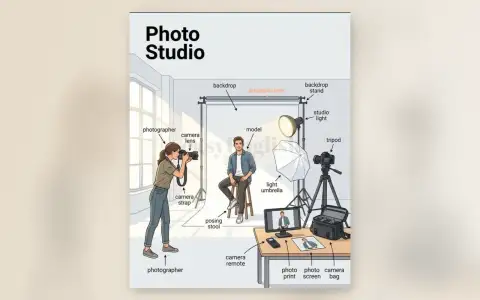
Photo Studio Setup: Every Piece of Equipment in a Working Studio
Photo studio setup guide: backdrop system, studio light with umbrella, tripod, tethering screen, camera remote, posing stool, and camera bag. What each piece does and how they work together.
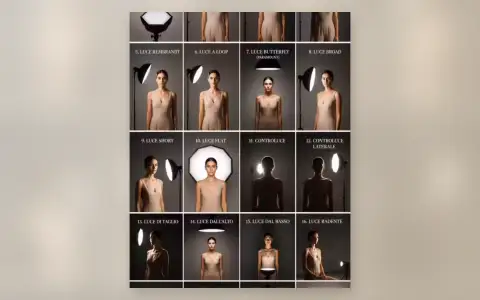
Portrait Lighting Patterns: 20 Studio Light Placements and What They Do to a Face
Portrait lighting patterns guide: Rembrandt, loop, butterfly, broad, short, split, rim, and 13 more studio light placements. How each pattern shapes a face and when to use it.
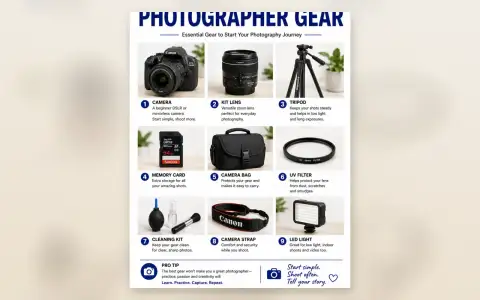
Beginner Photographer Gear: 9 Essential Items to Start Your Photography Journey
Beginner photographer gear guide: Canon EOS 2000D DSLR, 18-55mm kit lens, tripod, SanDisk 64GB memory card, camera bag, UV filter, cleaning kit, camera strap, and LED light. Everything you need to start shooting: nothing you don't.