Samsung The Sero Review: The Rotating TV Built for Phone Content
The Samsung The Sero swings from TV mode into portrait mode for phone videos. What five test labs praised, where they docked points, and who should buy it.
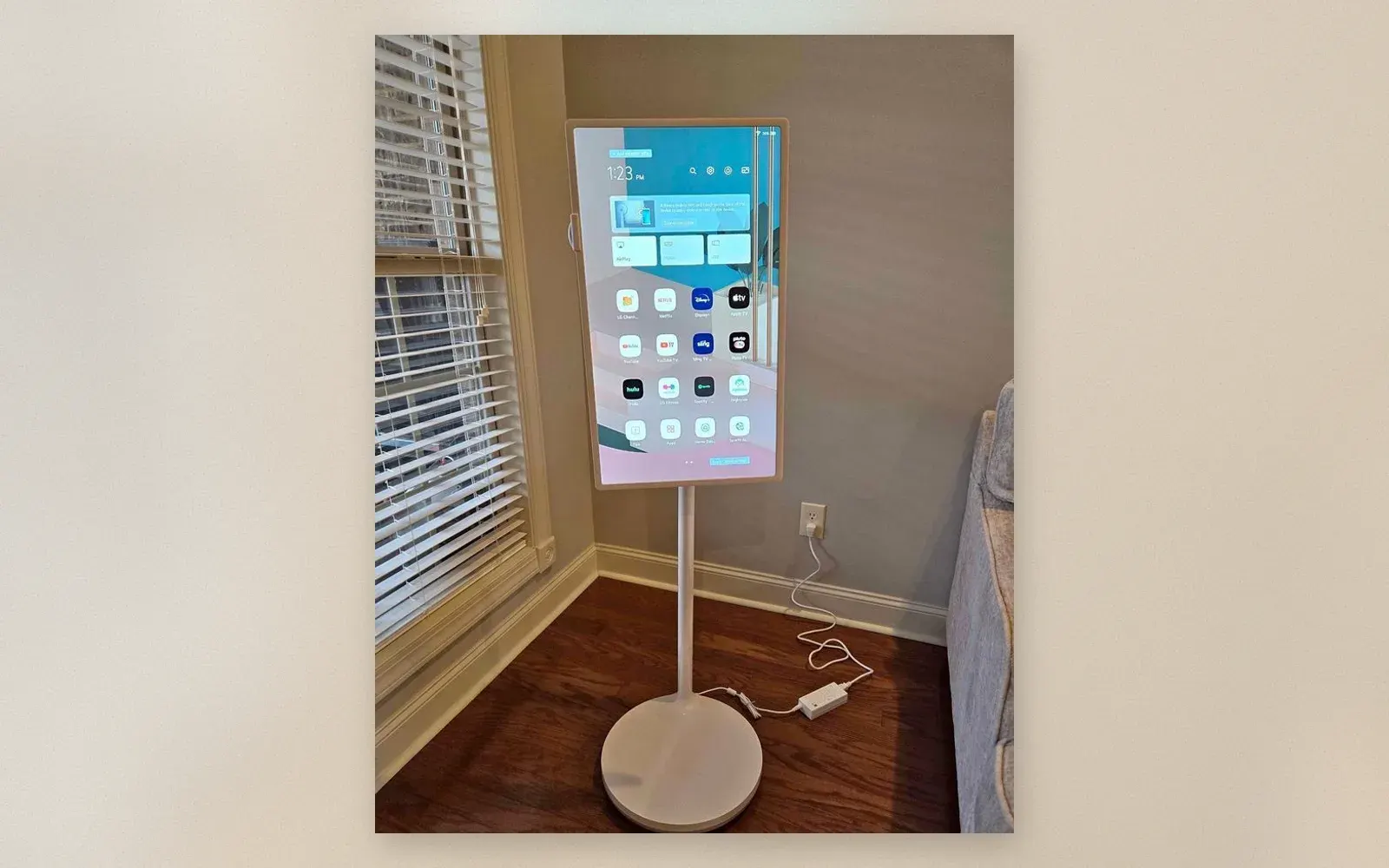
The Samsung The Sero solves a problem most televisions ignore: the videos on your phone are vertical, and a normal TV shows them as a thin strip in the middle of a wide panel. This rotating TV flips the script. Its 43 inch QLED screen sits on a motorized stand and turns a full 90 degrees, so a TikTok clip, an Instagram reel or a video call fills the display edge to edge the way it would fill your phone. Testers took to the concept quickly: across five reviews collected by testberichte.de the Sero landed on a grade of 1.6, and PCgo handed it a “sehr gut” in its 3/2021 issue.
What is the Samsung The Sero?
At its core the Sero is a 43 inch QLED television with 4K resolution, a 100 hertz panel and Samsung’s Tizen smart platform, wrapped in a floor stand that can rotate the whole screen. Samsung designed it as a giant companion display for your phone: mirror what is on the handset and the TV turns the same way the phone is held, as testers at connect confirmed in their 1/2021 review. A landscape movie night and a portrait photo dump happen on the same hardware seconds apart.
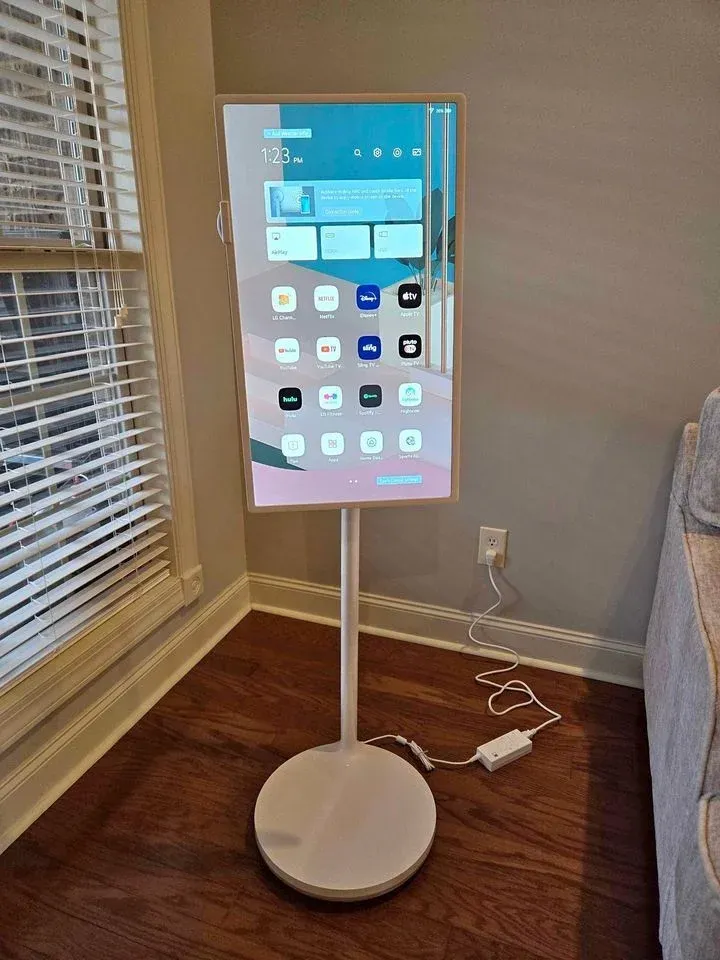
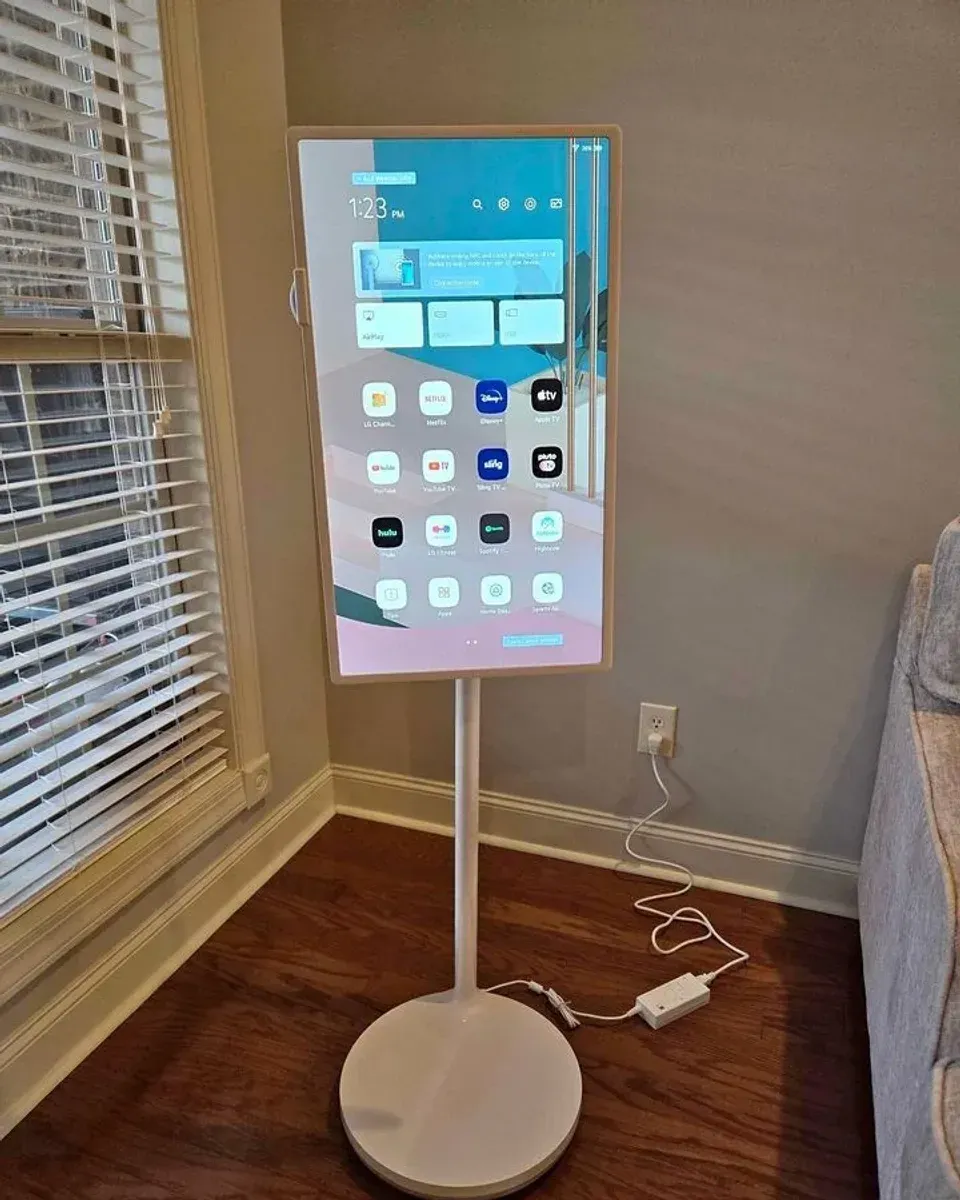
The stand is more than a pivot. The heavy base hides four speakers and a bass radiator, and the testers at the video magazine wrote that this combination produces a full sound with genuine room depth for a TV this size. The photos below show how a rotating lifestyle screen lives in a real corner of a living room.
How does the rotating screen work in daily use?
The screen turns on its own. Pair a Samsung phone and tilt it sideways, and the display follows with a motorized movement; a button on the remote does the same job for everyone else, and mobile content lands full height without black bars on the sides. In portrait mode the Sero effectively becomes a 43 inch phone screen, which is why connect called the effect similar to watching portrait content on a 75 inch class television.
Day to day this changes how you use a TV. Recipes, workout videos, group chats and short form content sit upright where everyone in the room can see them. Switch to the latest series and the panel swings back to the classic 16:9 orientation before the opening scene ends. The movement is slow and deliberate, and once you stop noticing it, it simply becomes how the TV sits.
How good are picture and sound?
The picture earned consistent praise. Computer Bild measured a bright panel with faithful colors and awarded a “gut (1.90)” in issue 18/2020, crediting HDR10+ support and a large app selection. connect called the 4K QLED picture very good and highlighted the excellent 4.1 channel sound in the same review. Since 2022 the German models carry a matte display, which cuts the reflections that the 2020 panel was criticized for.
The sound deserves its own sentence, because the stand is the speaker system. Four drivers plus a bass radiator fire from the base, and that is why the Sero sounds fuller than its slim frame suggests. The compromises are real though: Computer Bild missed Dolby Vision and a second tuner, and connect noted that the display of the early models reflected brightly in daylight. The Sero also cannot go on a wall, so plan for the floor space its stand needs.
Who should buy a rotating TV, and who should skip it?
Buy it if your evening screen time looks like your phone. The testers at e-media put it well in 1/2021: the Sero is for people who live in social media, shoot portrait video and want that content at room scale, and film fans with long watchlists are better served by a conventional set with a bigger diagonal. A four screen household does not need two Seros; one rotating screen next to a regular TV covers both habits.
Price is the second filter. Connect criticized the launch pricing as high, and the model has since been seen at roughly half of its original asking price, as Computer Bild reported in a deal roundup for the 2021 generation. At those levels the argument shifts from novelty to value, because the picture, the sound and the build all tested well regardless of the gimmick factor.
Verdict
The Samsung The Sero is the rare TV that takes phone habits seriously instead of fighting them. The rotating screen works exactly as advertised, the QLED panel and the 4.1 sound tested well across five labs, and the matte display of the current generation fixes the old reflection complaint. Buy it for a phone first household or a creator’s studio corner; skip it if wall mounting, a large diagonal or a cinema budget shapes your setup.
✅ Pros
- Motorized 90 degree rotation brings portrait content to room scale
- QLED 4K panel with 100 Hz and, since 2022, a matte display
- 4.1 channel sound with four speakers and a bass radiator in the base
- Grade of 1.6 across five tests collected by testberichte.de
❌ Cons
- No wall mounting possible, the stand defines the placement
- No Dolby Vision and no second tuner according to Computer Bild
- 43 inches stays modest for movie nights in a wide room
FAQ
Does the Samsung The Sero rotate automatically?
Yes. The screen sits on a motorized stand that turns it between landscape and portrait mode. You can trigger the turn by tilting a paired Samsung phone or by pressing a button on the remote, which is how the testers at connect described it.
How big is the Samsung The Sero screen?
The display measures 43 inches diagonally with QLED panel technology, 4K resolution and a 100 hertz refresh rate. Testers at testberichte.de point out that this puts roughly fifty times the screen area of a six inch phone in front of you.
Can you mount the Samsung The Sero on a wall?
No. The Sero is built around its stand, which houses the rotation motor, four speakers and a bass radiator. The testers at connect list the missing wall mount option among the drawbacks.

Continue reading
Hagibis Folder-Style SSD Enclosure: A Drive Shaped Like a Desktop Icon
The Hagibis folder-style SSD enclosure turns an NVMe drive into the yellow folder icon from your desktop, with USB 3.2 Gen 2 speeds for 2230 to 2280 drives.
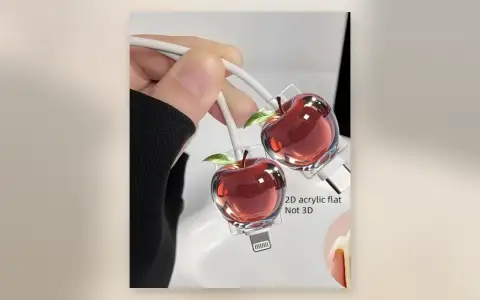
Red Apple Cable Buddy: The Cable Protector Charm That Saves Your iPhone Charger
Red apple cable buddy review: a flat acrylic charm clips onto Lightning and USB-C cables at the connector, blocks the sharp bends that fray charging cables, and looks cute doing it.
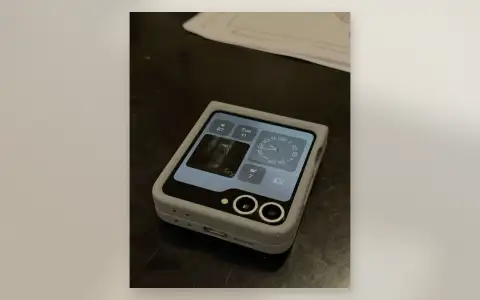
Samsung Galaxy Z Flip 7 Review: The Flip Phone That Finally Feels Finished
Galaxy Z Flip 7 review: 6.9-inch foldable with a 4-inch cover screen, 50MP camera, 4300mAh battery, and Galaxy AI tools. The flip phone that fits a jacket pocket without compromise.