Smart Glasses in 2026: What Actually Exists Beyond the Concept Renders
Smart glasses guide 2026: camera-audio glasses like Ray-Ban Meta, tethered display glasses from Xreal and Rokid, and HUD glasses like Even Realities G1. What each class does, costs, and who they fit.
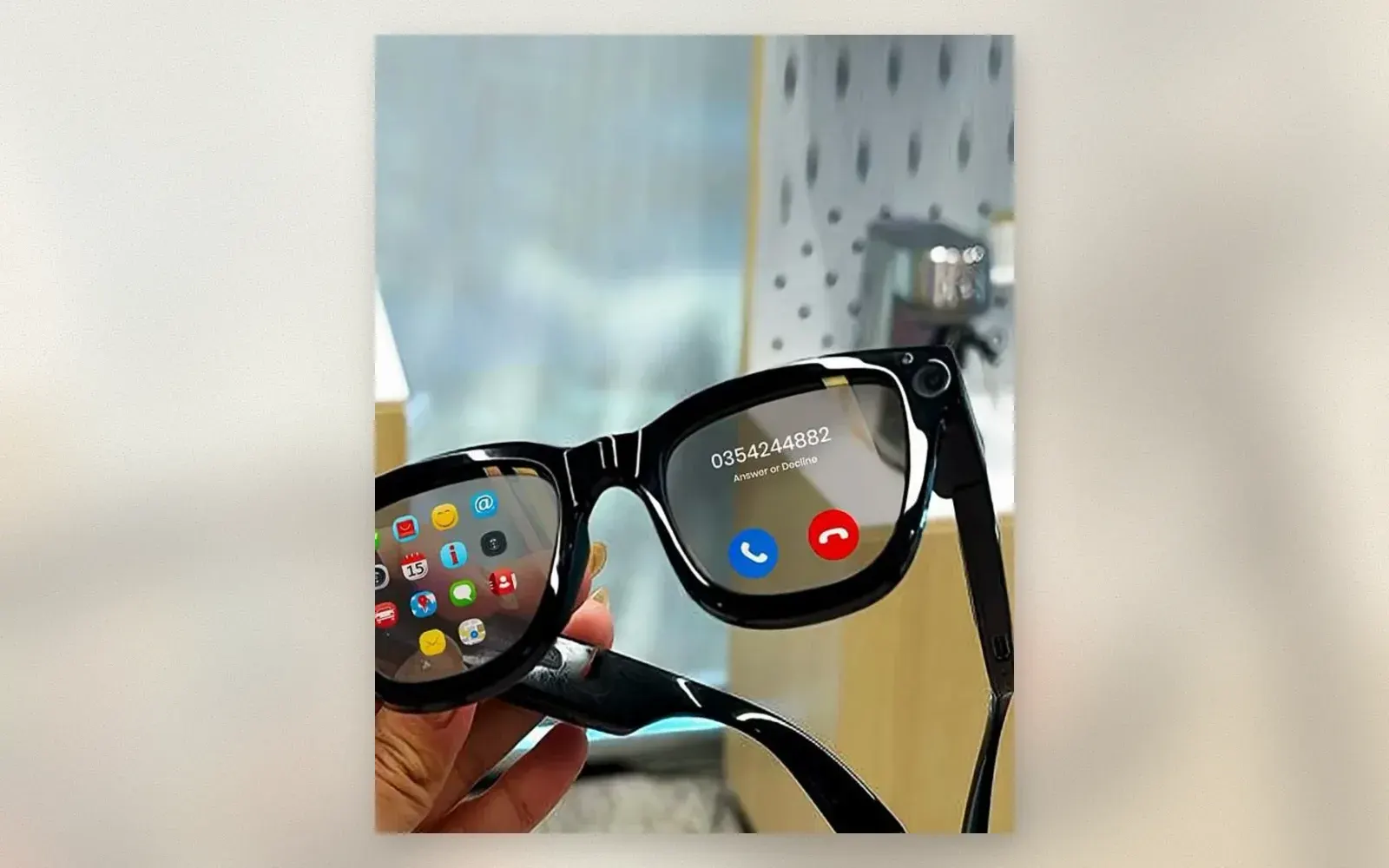
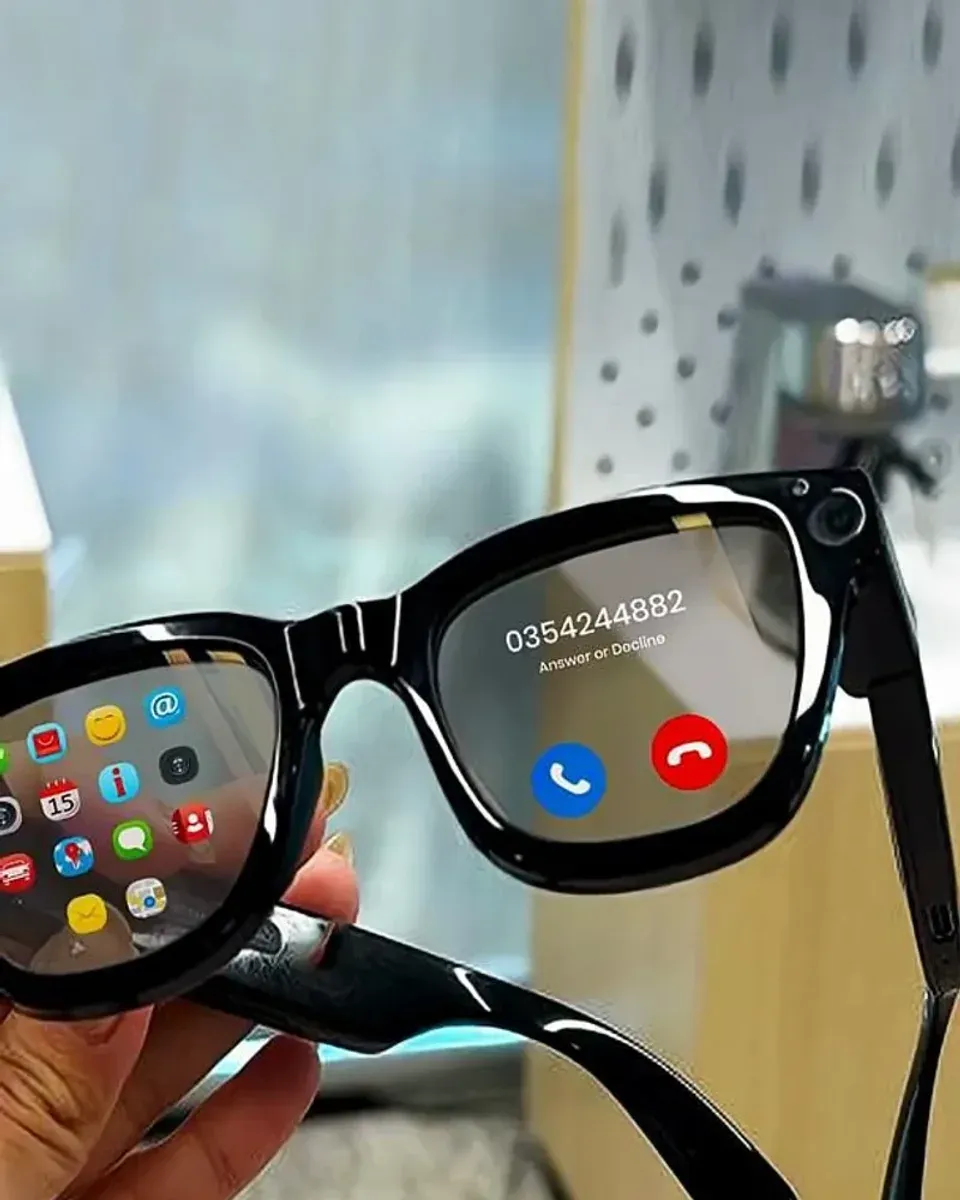
Concept renders show smart glasses running full app grids on the lens and answering calls with a glance. Nothing shipping looks like that. What exists in 2026 is three real product classes: camera-audio glasses that look normal and record what you see, tethered display glasses that turn your vision into a cinema screen, and subtle HUD glasses that flash notifications in your periphery. The render in the photo is the destination; this guide is the actual map.
🏷 Smart glasses by class Ray-Ban Meta → · Display Glasses →
Class One: Camera and Audio Glasses
Ray-Ban Meta defines this class: Wayfarer styling, a 12 MP camera in the corner, open-ear speakers, and Meta AI on voice command. Press the button for a photo, say “hey Meta” for a video, take calls, listen to music. No display at all, which is why they look like normal sunglasses and weigh like them.
The battery lasts a day of mixed use, the case adds eight charges, and the capture button works when the phone stays in the pocket. The privacy tradeoff is real: a camera at eye level changes rooms, and the capture light is small.
The use case that works: travel documentation, first-person video, hands-free calls, and ambient music. The use case that fails: reading anything, navigation prompts beyond audio, and any screen interaction.
Class Two: Tethered Display Glasses
Xreal Air and Rokid Max look like chunky sunglasses and connect over USB-C to a phone, laptop, or handheld. Inside, two micro-OLED panels project a virtual screen: up to 330 inches at 15 feet, or a stable desktop for coding on a train.
These are wearable monitors, not computers. Untethered, they are sunglasses. Tethered to a Steam Deck or phone, they become a private cinema or a dual-monitor replacement in a backpack. Prescription inserts are available, and the nose pads adjust for long sessions.
🏷 HUD glasses Even Realities G1 →
Class Three: The Subtle HUD
The Even Realities G1 is the closest shipping product to the concept photo: a green monochrome display in the right lens that flashes notifications, navigation arrows, teleprompter lines, and live translation. It looks like designer glasses, weighs 37 grams, and runs all day.
The HUD philosophy is the opposite of the render: show the minimum, glance for two seconds, move on. No apps on the lens, no full-color interface, no gaming. Prescription-ready, which none of the other classes are.
Which class fits whom?
Travelers and first-person creators: camera glasses. The Ray-Ban Meta class is mature, stylish, and the capture workflow is frictionless.
Media consumers and frequent flyers: tethered display glasses. A private 300-inch screen on a plane beats every seat-back display ever installed.
Notification-averse professionals: HUD glasses. The G1 shows the message without the phone, and the glance takes two seconds.
Everyone waiting for the concept render: the full-color AR glasses in marketing renders remain unreleased. Every real product trades one capability for the form factor.
Verdict
✅ Pros:
- Three real classes cover capture, display, and notification use cases
- Camera glasses finally look like normal sunglasses
- Tethered display glasses deliver a genuine virtual cinema
- HUD glasses show notifications without phone checks
- Prescription support on display and HUD classes
- Prices settled into reachable territory: 300 to 600 dollars
❌ Cons:
- The full-color AR interface from renders does not exist yet
- Camera glasses have no display at all
- Display glasses are useless without a tethered device
- HUD glasses show monochrome text only
- Battery life caps at a day across all classes
- Privacy concerns: cameras at eye level change rooms
🏷 Compare smart glasses All Smart Glasses →
🇩🇪 This article is also available in Deutsch:
Read in Deutsch →
FAQ
Do smart glasses with full app interfaces on the lens exist?
Not as consumer products. Concepts and renders show full-color app grids projected on lenses, but shipping products either have no display at all, a small monochrome HUD, or a tethered full display powered by a phone.
What can Ray-Ban Meta smart glasses do?
Photos and 60-second videos through a 12 MP camera, open-ear audio, voice assistant through Meta AI, calls, and music. No display. They look like normal Wayfarers and run a day per charge.
What are display glasses like Xreal and Rokid for?
They are tethered wearable monitors: plugged into a phone, laptop, or handheld, they project a large virtual screen in front of your eyes. Great for media and gaming, useless untethered.
What does the Even Realities G1 do?
It shows a subtle green monochrome HUD in the right lens: notifications, navigation arrows, teleprompter text, and translation. All-day battery, prescription-ready, and it looks like normal glasses.
How much do smart glasses cost in 2026?
Camera-audio glasses: 300 to 400 dollars. Tethered display glasses: 300 to 600 dollars. HUD glasses: 600 dollars. Full AR concepts from major brands remain unreleased.

Continue reading
Samsung Galaxy Ecosystem Guide: Which Devices Actually Work Together
Samsung Galaxy ecosystem guide: phone, watch, buds, SmartTag, tablet, and charging gear reviewed as one system. What connects to what, which pairings earn their price, and where the ecosystem ends.

Apple Watch Ultra 2: The Watch for Athletes and Adventurers
Apple Watch Ultra 2 review: titanium case, 100m water resistance, dual-frequency GPS, and up to 36 hours of battery life.

MagSafe Mini Notebook: Analog Notes on the Back of Your Phone
MagSafe mini notebook review: a flip-out paper notepad that magnetically sticks to the back of your phone, with a tiny pen. Why analog notes survived the smartphone and who carries them.