Mini EDC Cameras: Why Tiny Cameras on Carabiners Came Back
Mini EDC camera guide: pocket cameras small enough for a keychain, what the dual-lens Twin-style designs offer, which specs matter at this size, and the real mini cameras worth buying on Amazon.
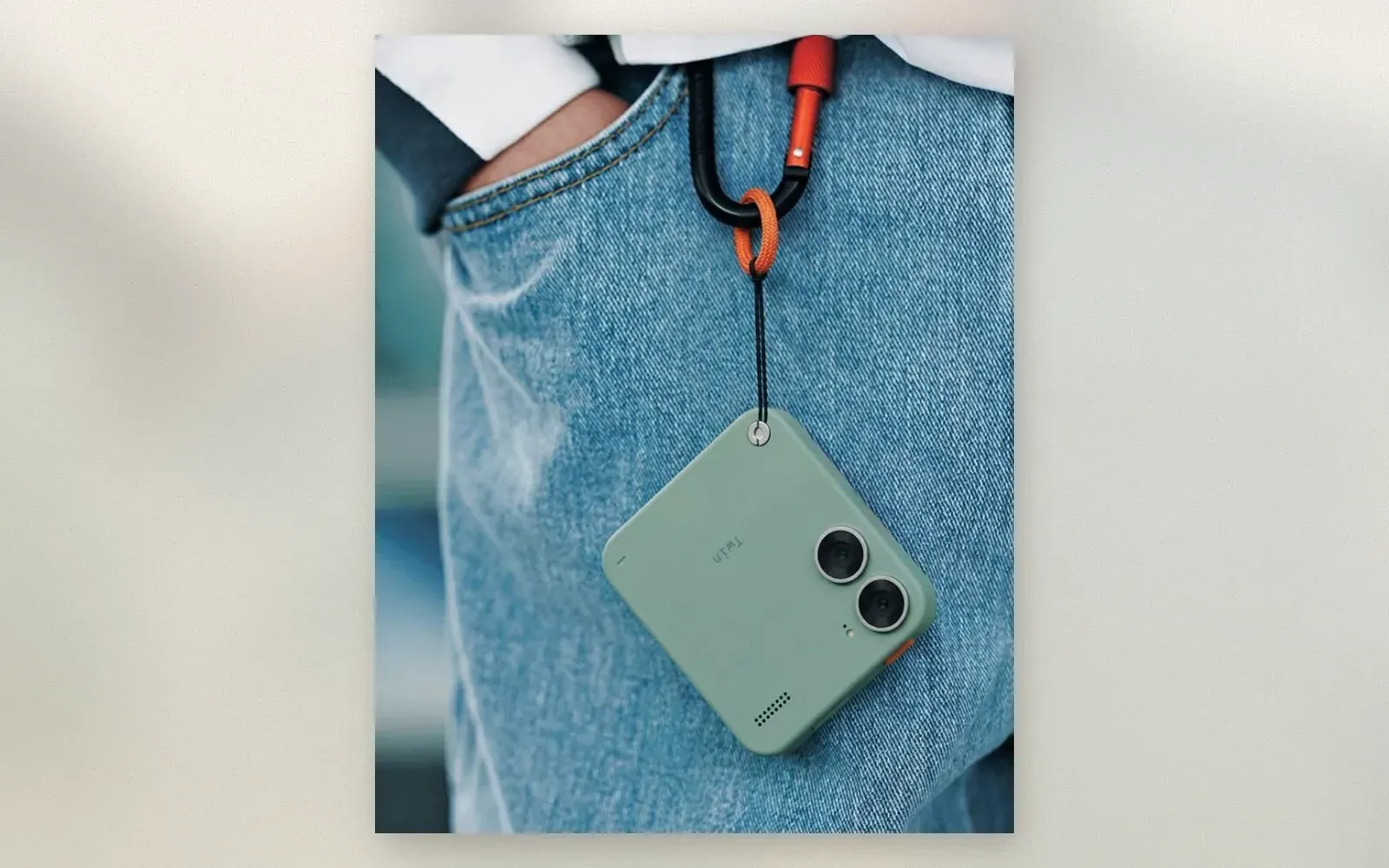
The keychain camera came back, and it did not come back alone. The sage-green square in the photo hangs from a carabiner like a pocket knife: two stacked lenses, a speaker grille, a lanyard hole, and a body the size of a matchbox. Dual-lens mini cameras like this Twin-style design lead a wave of tiny EDC cameras that trade image quality for one thing a phone can never offer: they are always out, always ready, and never buried under notifications.
🏷 Mini cameras on Amazon Mini Cameras → · Carabiner Mounts →
The Form Factor: Matchbox With Lenses
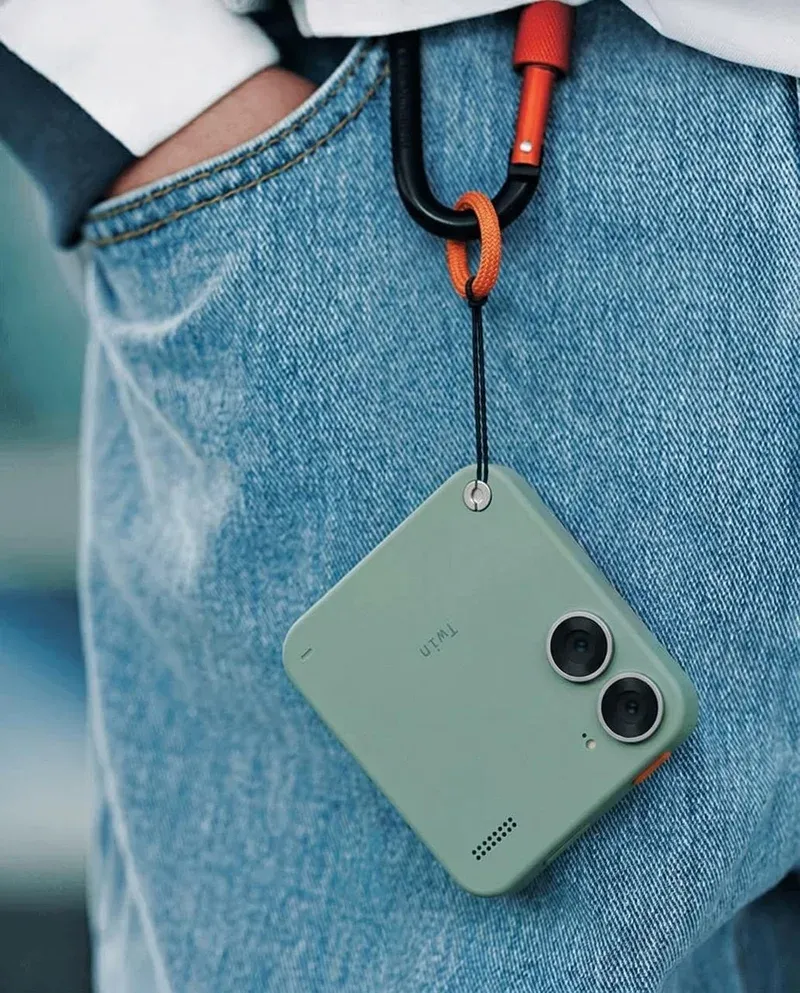
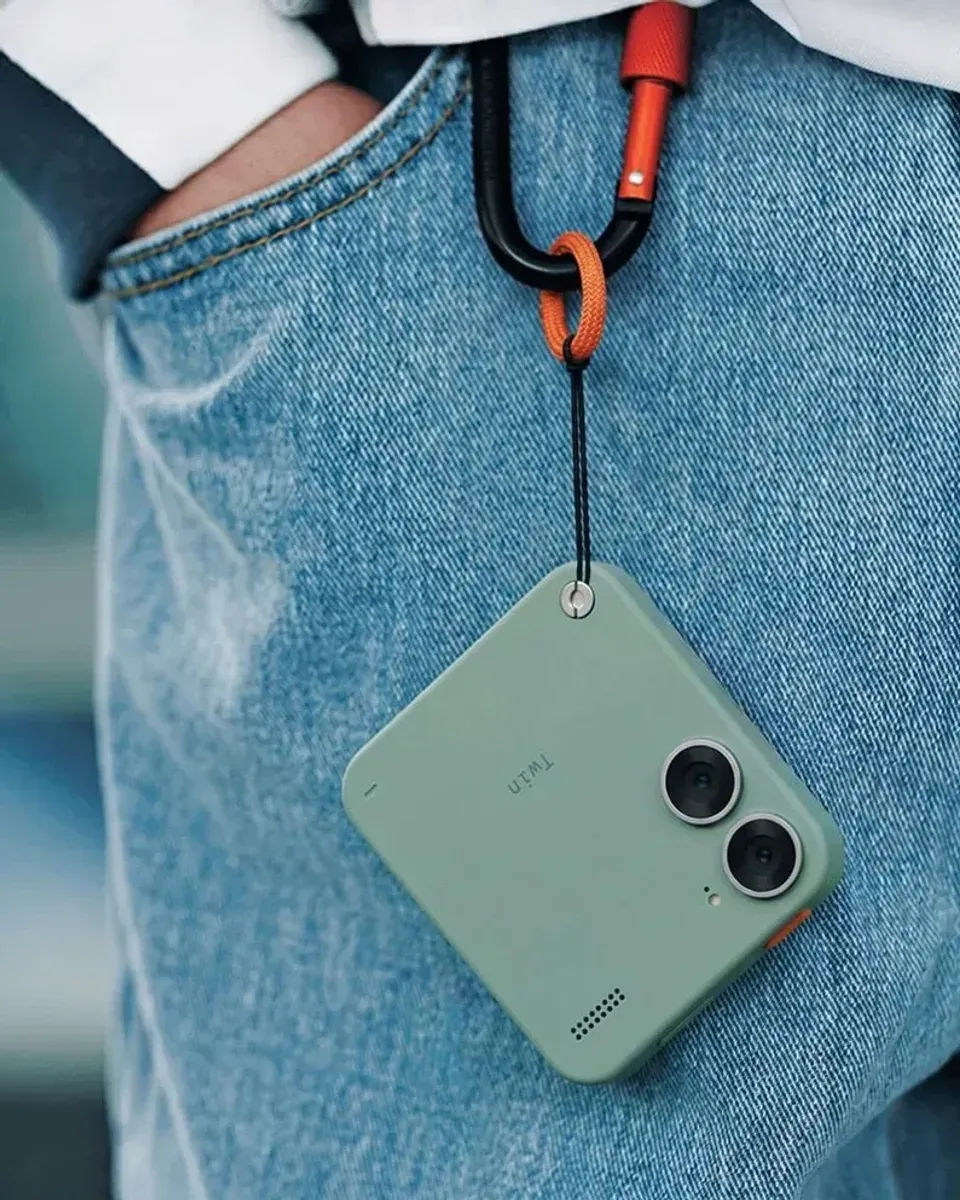
The Twin-style design stacks two lenses vertically on a square body that hides a thumb behind. One lens covers the standard view; the second runs wide or tele, depending on the model. The body is plastic or aluminum, the screen is a thumbnail or absent, and the whole package weighs less than a set of keys.
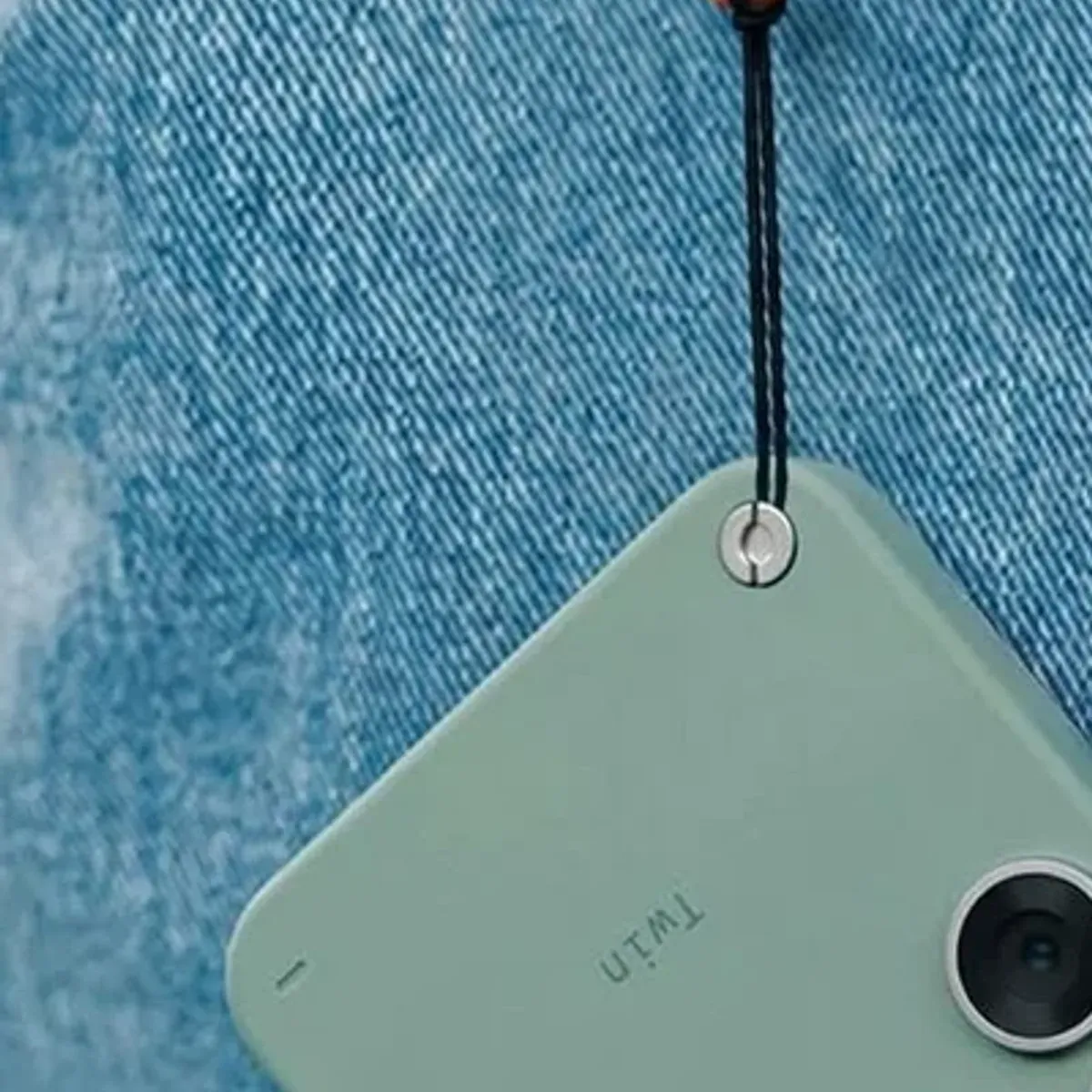
The lanyard hole is the feature that makes the category. A camera in a bag is a camera at home. A camera on a carabiner clipped to a belt loop comes out in three seconds, and the photos prove it: daily-carry cameras get shot daily.
The Honest Specs: What You Get at This Size
Mini cameras shoot through lenses the size of shirt buttons. Expect 8 to 20 MP stills, 1080p or 2.7K video, fixed focus from about half a meter, and daylight image quality that falls apart after sunset. The dual-lens models add framing choice, not dynamic range: the wide lens fits more scene, the second lens is there so you think about which view to use.
That limitation is the appeal. Tiny sensors and simple controls remove the settings spiral, and every shot becomes point-and-shoot in the original sense. The camera documents the day the way a pocket notebook documents thoughts: imperfect, immediate, and better than nothing.
What to Check Before Buying
Battery life first: the worst mini cameras manage an hour of shooting, the best reach three to four. A body-integrated lanyard mount second, because a case-mounted loop adds bulk and breaks. USB-C charging third, since micro-USB in 2026 means old stock. One-button operation last: if the camera needs a menu, it defeats its own purpose.
🏷 Keychain camera picks Keychain Cameras →
Screen size divides the category. Screenless models save battery and shoot like film cameras: compose by pointing, check nothing. Screened models cost battery but let you frame macro-ish shots and review immediately. Neither approach is wrong; they are different rituals.
Who should carry one?
People who photograph their days and never do it, because the phone lives in the pocket. The keychain camera fixes availability, and availability fixes the habit.
Travelers who want documentation without pulling out a flagship phone in unfamiliar streets. A tiny camera on a strap is invisible in crowds and irreplacable in moments.
Photographers who miss the point-and-shoot era. The toy-specs are the feature: no settings, no RAW workflow, just files off a cable and a day documented.
Verdict
✅ Pros:
- Always-available capture on a carabiner or lanyard
- Dual-lens designs add framing variety at matchbox size
- One-button operation removes the settings spiral
- Costs a fraction of any interchangeable-lens camera
- USB-C charging on current models
- Documents days a phone buried in apps never captures
❌ Cons:
- Image quality collapses in low light by design
- Fixed focus limits close-ups and fast subjects
- Battery life is measured in hours, not days
- Screens, when present, are tiny and washed out
- Generic models vary wildly in quality between batches
- Phone cameras beat them on every technical measure
🏷 EDC camera gear EDC Cameras →
🇩🇪 This article is also available in Deutsch:
Read in Deutsch →
FAQ
What is an EDC camera?
An EDC (everyday carry) camera is a digital camera small enough to live on a keychain, lanyard, or belt loop. Most shoot 1080p video and 8 to 20 MP stills through fixed-focus lenses, trading image quality for always-available capture.
Are dual-lens mini cameras better than single-lens ones?
The second lens usually adds a different focal length, such as a wide angle next to a standard view, or a dedicated low-light sensor. At this size both lenses are tiny, so the benefit is framing variety rather than image quality.
What specs matter in a keychain camera?
Battery life, a lanyard or carabiner mount built into the body, USB-C charging, and one-button recording. Sensor size matters less at this scale because every lens is small; usability decides whether the camera is in your pocket or a drawer.
Can mini cameras replace a phone camera?
No. They exist for availability and intention, not quality. A keychain camera captures moments a phone never leaves the pocket for, and the separate device creates a photo habit that a phone camera buried in apps cannot.
How much do mini EDC cameras cost?
Generic mini cameras cost 20 to 60 dollars. Branded designs with metal bodies and better sensors run 80 to 200 dollars. Kickstarter models with dual lenses typically land between 100 and 250 dollars.

Continue reading
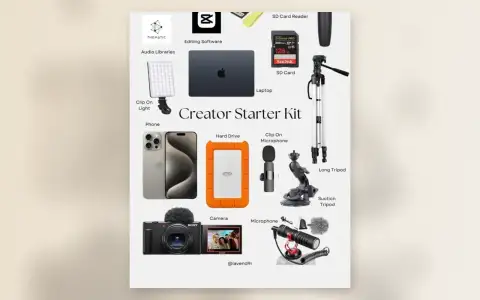
Creator Starter Kit: 14 Pieces That Take You From Phone to Published
Creator starter kit guide: phone or compact camera, laptop, tripods, mics, lights, storage, and the software stack. The complete gear list for starting a content channel without overspending.
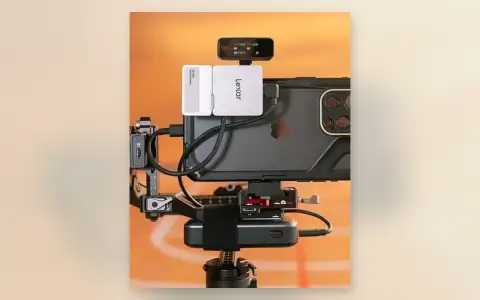
iPhone ProRes Recording Rig: External SSDs, Monitor, and Power for Cinematic Video
iPhone ProRes recording rig guide: gimbal-mounted cage with dual external SSDs, on-top monitor, and power bank for unlimited Apple Log 4K recording. The setup that turns a phone into a B-camera.
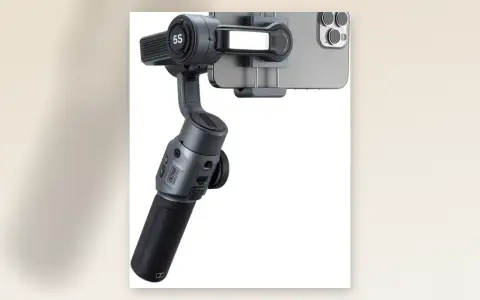
Zhiyun Smooth 5S Review: The Smartphone Gimbal With Built-In Fill Light
Zhiyun Smooth 5S review: 3-axis smartphone gimbal with built-in fill light, magnetic quick-release clamp, ActiveTrack 5.0, 10-hour battery, and phone charging. Smooth video without learning gimbal choreography.