DJI RS 4 Gimbal Stabilizer Review: 3kg Payload, 12-Hour Battery, One-Hand Operation
DJI RS 4 review: a 3-axis gimbal stabilizer with 3kg payload, 12-hour battery, Teflon-coated axes, and Bluetooth autofocus. The standard for mirrorless video production.
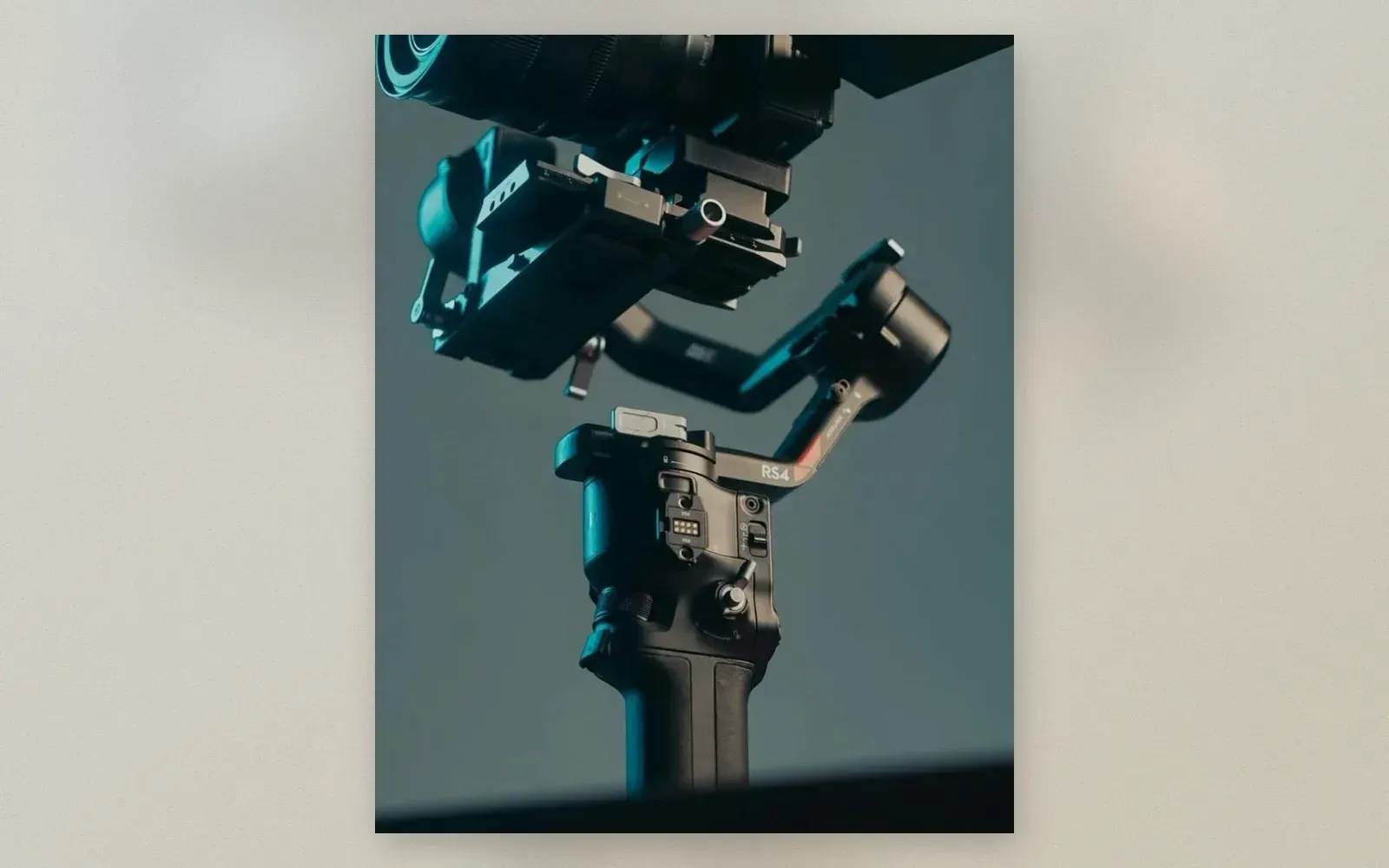
The DJI RS 4 is the gimbal stabilizer that professional videographers reach for when the shot has to be smooth. A 3kg payload handles full-frame mirrorless cameras with fast zoom lenses, the 12-hour battery lasts a full shooting day without swapping, and the Teflon-coated axes make balancing and movement feel effortless. It is not the cheapest gimbal, but it is the one that does not fail on set.
🏷 Best price for DJI RS 4 Buy on Amazon → · Check on Etsy →
What is the DJI RS 4?
The RS 4 is DJI’s fourth-generation 3-axis gimbal stabilizer for mirrorless and DSLR cameras. It uses three brushless motors to counteract tilt, pan, and roll — keeping the camera level during walking, running, cycling, or vehicle-mounted shots. The result is smooth, cinematic motion without the weight and setup time of a Steadicam.
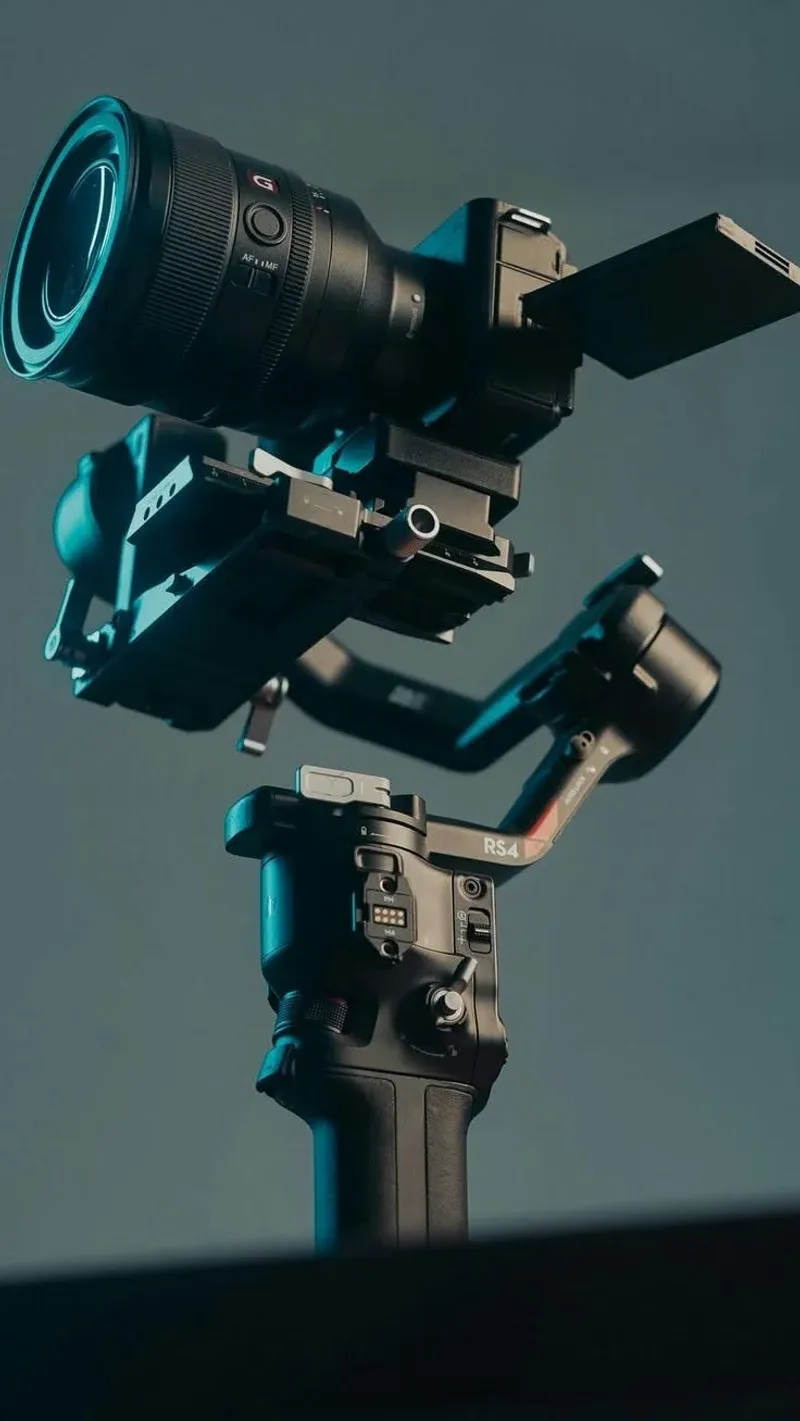
The gimbal weighs just over 1 kg (2.3 lb) without the camera, which is light enough for extended handheld use. The handle houses the battery, controls, and a small OLED display for mode selection and status. The 2nd-generation automated axis locks let you fold the gimbal for transport without losing your balance settings.
How does the DJI RS 4 perform?
The 3kg payload capacity covers most mirrorless setups. A Sony A7 IV with a 24-70mm f/2.8 GM lens weighs about 1.5 kg — well within the RS 4’s range. Even heavier combinations like a Canon R5 with an RF 70-200mm f/2.8 stay balanced without motor strain.
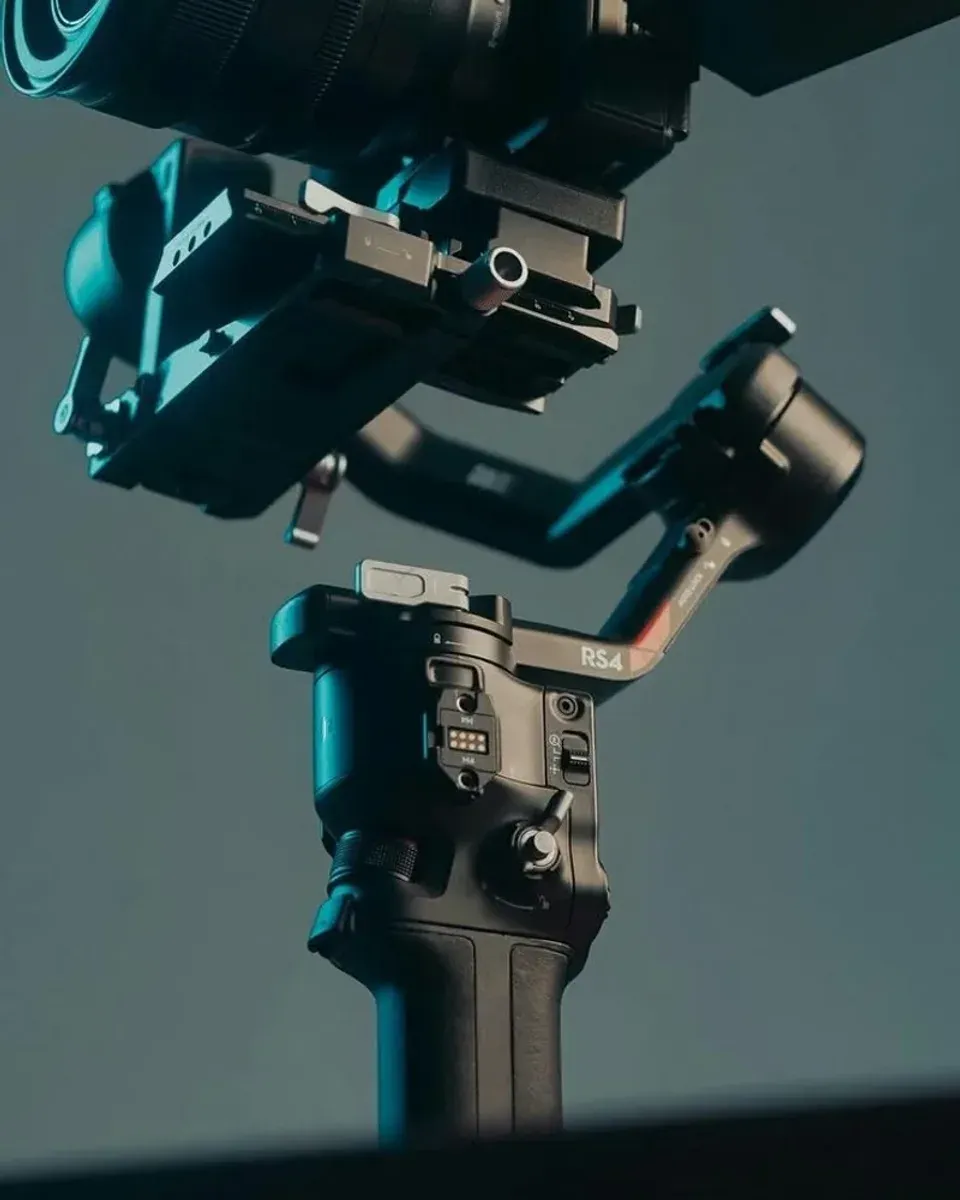
The Teflon-coated axes make the difference in daily use. Balancing a gimbal is the most tedious part of setup — you adjust each axis until the camera stays level in any position. The Teflon coating reduces friction, so micro-adjustments are smooth instead of jerky. Once balanced, the gimbal holds its settings through transport and setup without drifting.
Bluetooth autofocus integration means you can control camera focus and recording from the gimbal handle. Start/stop recording, pull focus with the front dial, or switch between AF and MF without touching the camera body. For solo operators, this eliminates the need for a separate follow focus system.
What comes in the box?
The standard RS 4 package includes the gimbal body, a quick-release plate, a lens support, a camera riser, a multi-camera control cable, a USB-C charging cable, and a carrying case. The combo kit adds a briefcase handle, an additional battery, and a wireless transmitter for remote monitoring.
The carrying case is well-designed — molded foam inserts hold each component securely. The gimbal fits with the quick-release plate attached, so you do not need to disassemble the setup between shoots.
Who should buy the DJI RS 4?
Professional videographers who shoot daily. The 12-hour battery means you do not carry spare batteries for a full day of shooting. The 3kg payload handles the cameras and lenses professionals use. The build quality survives the bumps and drops that come with production work.
Content creators who shoot video for YouTube, commercials, or social media. The smooth stabilization eliminates the “shaky handheld” look that marks amateur footage. The Bluetooth integration means one person can operate camera and gimbal without a assistant.
Anyone who has outgrown a cheaper gimbal. If your current stabilizer struggles with heavier camera setups, drifts after balancing, or dies halfway through a shoot, the RS 4 solves those problems.
Verdict
✅ Pros:
- 3kg payload handles full-frame mirrorless with fast zoom lenses
- 12-hour battery lasts a full shooting day
- Teflon-coated axes for smooth balancing and movement
- Bluetooth autofocus control from gimbal handle
- 2nd-gen automated axis locks for quick setup and transport
- OLED display for mode and status information
- Well-designed carrying case with molded foam inserts
❌ Cons:
- Premium price (~$500-700 depending on combo)
- Heavy for extended one-handed use (1 kg without camera)
- Learning curve for balancing and mode selection
- Overkill for casual vlogging — RS 4 Mini is lighter and cheaper
- No built-in monitor — requires external screen for framing
- DJI ecosystem lock-in for advanced features
🏷 Compare prices for DJI RS 4 Find the best deal →
🇩🇪 This article is also available in Deutsch:
Read in Deutsch →
FAQ
How much weight can the DJI RS 4 carry?
The RS 4 supports up to 3kg (6.6 lb) of camera and lens weight. This covers most mirrorless setups including full-frame bodies with fast zoom lenses.
How long does the DJI RS 4 battery last?
Up to 12 hours of continuous use on a single charge. The internal LiPo 2S battery is 3000mAh (21 Wh) and charges via USB-C.
Does the DJI RS 4 work with Sony cameras?
Yes. The RS 4 supports Sony, Canon, and Nikon mirrorless cameras via Bluetooth autofocus control. You can start/stop recording and pull focus from the gimbal handle.
What is special about Teflon-coated axes?
Teflon coating reduces friction on the gimbal axes, making balancing smoother and movement more fluid. It also reduces wear over time compared to uncoated metal axes.
Is the DJI RS 4 worth the price?
For professional videographers who shoot handheld content daily, yes. The 12-hour battery, smooth stabilization, and camera integration justify the cost. Casual shooters may find the RS 4 Mini sufficient at half the price.

Continue reading
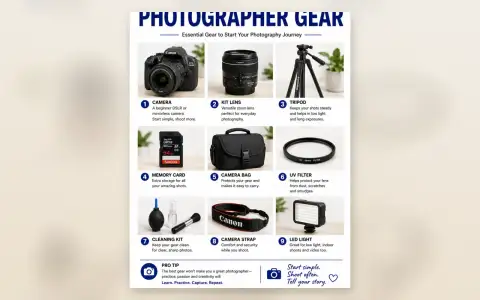
Beginner Photographer Gear: 9 Essential Items to Start Your Photography Journey
Beginner photographer gear guide: Canon EOS 2000D DSLR, 18-55mm kit lens, tripod, SanDisk 64GB memory card, camera bag, UV filter, cleaning kit, camera strap, and LED light. Everything you need to start shooting: nothing you don't.

Studio Lighting Modifiers Comparison: Strip, Softbox, Reflector, China Ball, and Octabox
Studio lighting modifiers compared: strip light with grid, softbox with and without grid, reflector dish, China ball lantern, and octabox with grid. How each modifier changes light quality, spread, and mood — with the same model and the same light source.
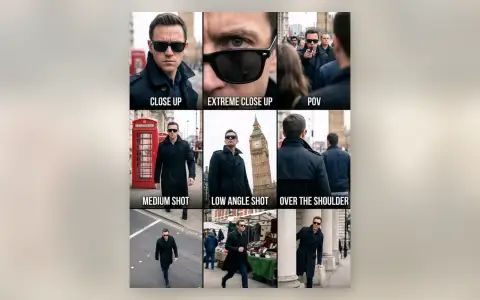
Camera Shot Types Explained: 12 Frames Every Photographer and Videographer Should Know
Camera shot types guide: Close Up, Extreme Close Up, POV, Medium Shot, Low Angle, Over the Shoulder, High Angle, Tracking, Reveal, Wide Shot, Dutch Angle, and Bird's Eye View. When to use each and why it matters.