Sony A7 III Review: Full-Frame Mirrorless That Still Holds Up
Sony A7 III review: 24.2MP full-frame sensor, 693-point autofocus, 4K video, 10fps burst shooting. The camera that made full-frame mirrorless affordable — and still competes years later.
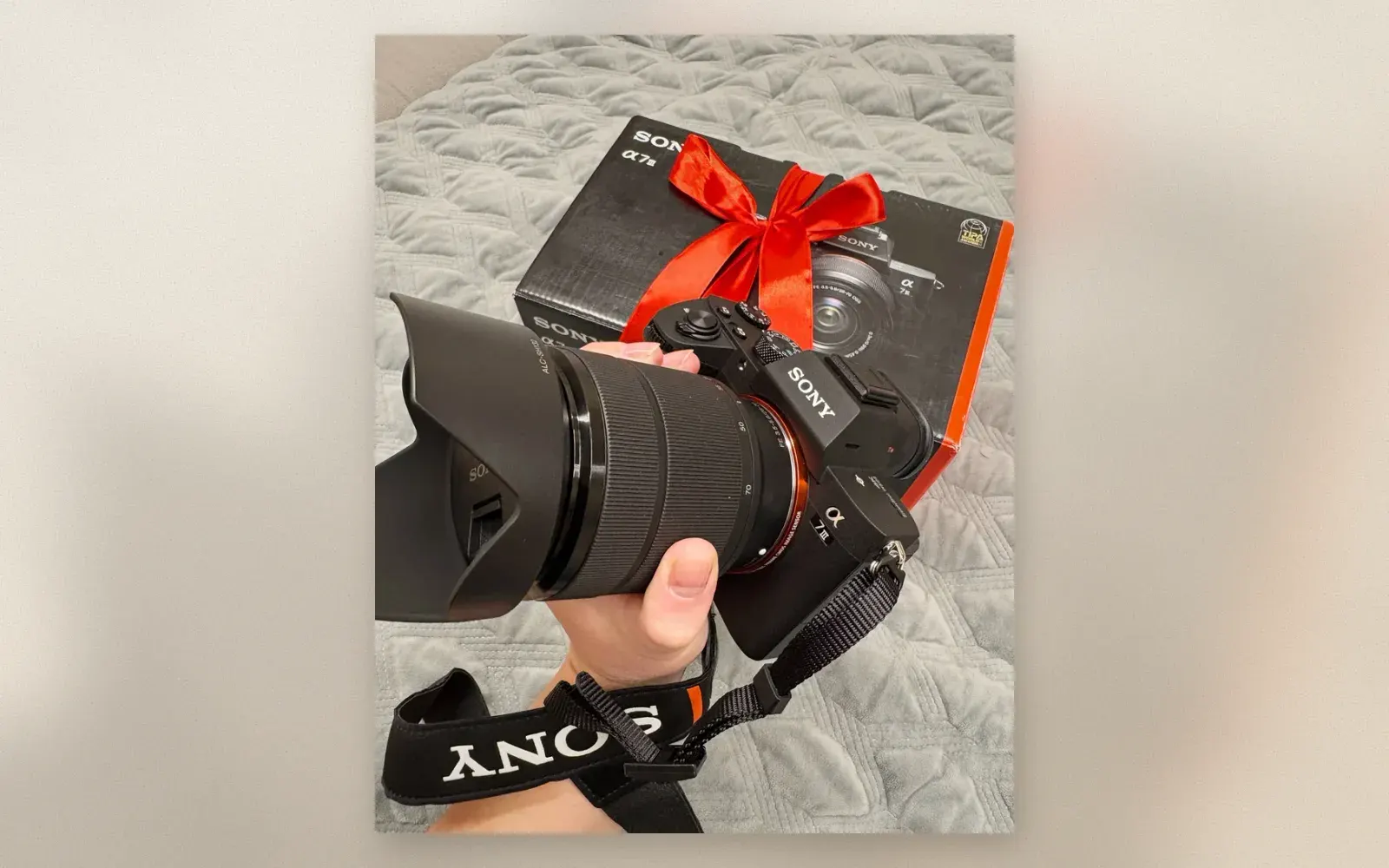
The Sony A7 III was the camera that made full-frame mirrorless affordable. When it launched, it packed a 24.2MP back-illuminated sensor, 693-point autofocus, 4K video, and 10fps burst shooting into a body that cost half what competitors charged for similar specs. Years later, the A7III remains one of the most recommended cameras for anyone stepping up from crop sensor or smartphone photography.
🏷 Best price for Sony A7 III Buy on Amazon → · Check on Etsy →
What is the Sony A7 III?
The A7 III is Sony’s third-generation full-frame mirrorless camera in the Alpha 7 line. It uses a 24.2MP Exmor R back-illuminated CMOS sensor paired with the BIONZ X processor and a front-end LSI chip. The combination delivers fast readout, low noise at high ISO, and enough processing power to handle 10fps burst shooting with continuous autofocus.
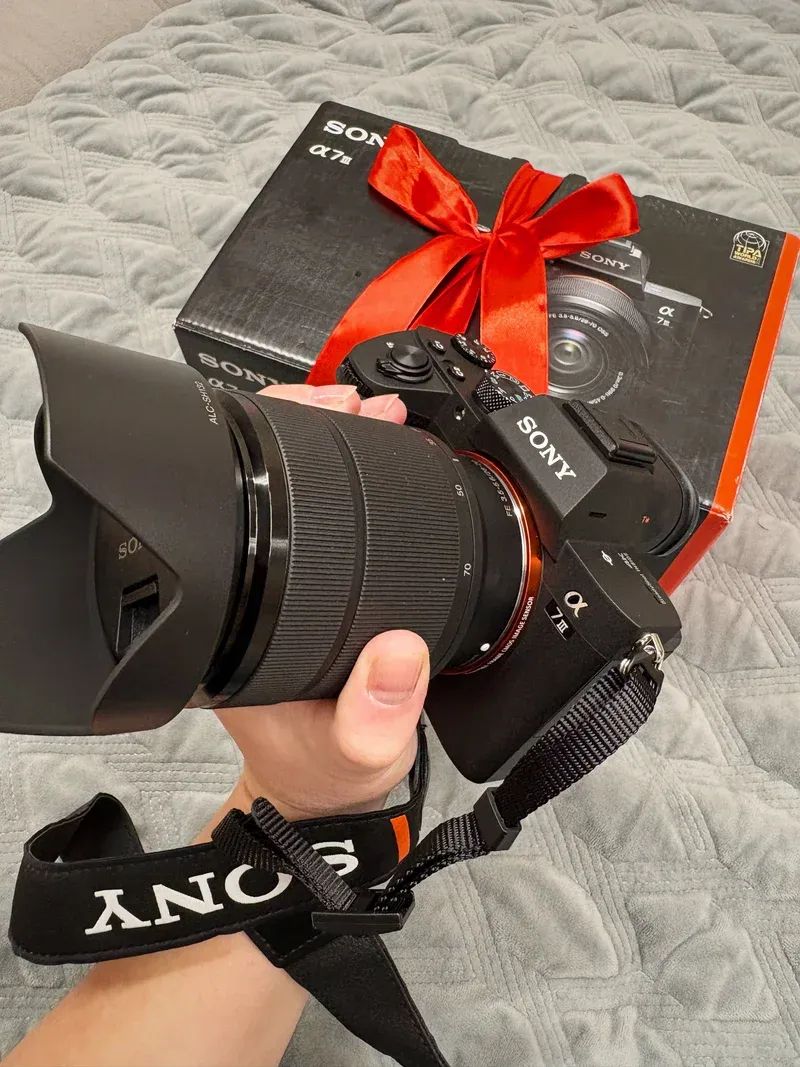
The camera body is compact for full-frame — smaller and lighter than a DSLR equivalent, but larger than crop-sensor mirrorless bodies. The grip is deep enough for comfortable one-handed shooting, and the button layout follows Sony’s established pattern: customizable buttons on the top, rear, and front of the body.
How does the Sony A7 III perform?
The 693-point phase-detection AF system covers 93% of the frame. In practice, this means the camera locks onto subjects almost anywhere you point it — no need to focus and recompose. Eye AF tracks human and animal eyes reliably, keeping the iris sharp even when the subject moves across the frame.
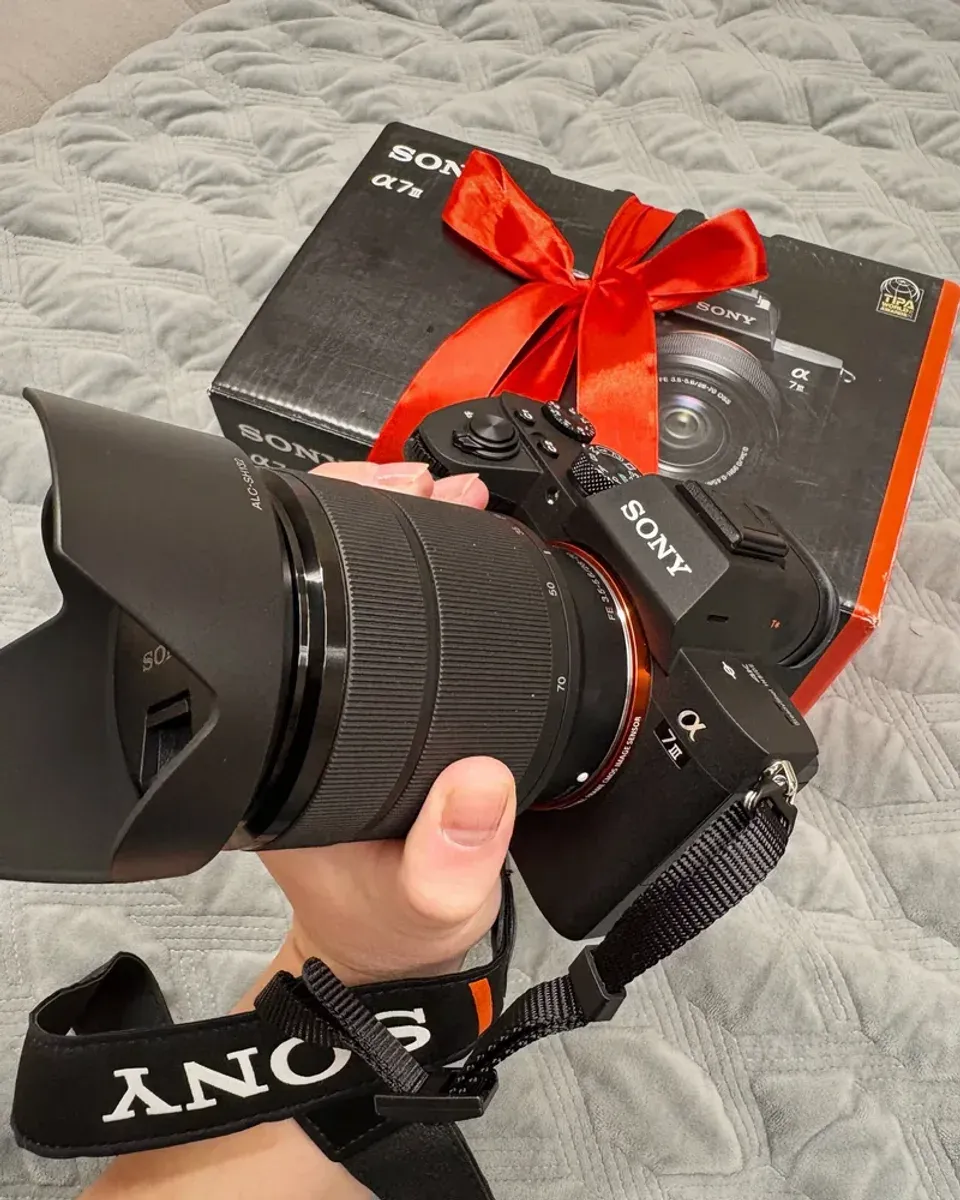
The 10fps burst shooting with continuous AF/AE handles action, sports, and wildlife without buffering or missing focus. The buffer clears reasonably fast with a UHS-II SD card — about 2-3 seconds for a 30-frame burst.
Low-light performance is excellent. The native ISO range of 100-51,200 expands to 50-204,800. At ISO 6,400, images remain clean and detailed. At ISO 12,800, noise is visible but manageable. For comparison, crop-sensor cameras at the same ISO produce noticeably more noise.
The 4K video uses the full width of the sensor with a slight crop, delivering detailed footage with good dynamic range. S-Log3 and HLG profiles give you room to color grade in post-production. The main limitation is no 4K at 60fps — you need the A7 IV or A7S III for that.
What comes in the kit?
The standard kit includes the Sony FE 28-70mm f/3.5-5.6 OSS lens, a battery (NP-FZ100), a charger, a USB cable, a body cap, a lens hood, and a shoulder strap. The lens is a competent all-purpose zoom — sharp in the center, soft at the edges at wide aperture, and stabilized with OSS for handheld shooting.
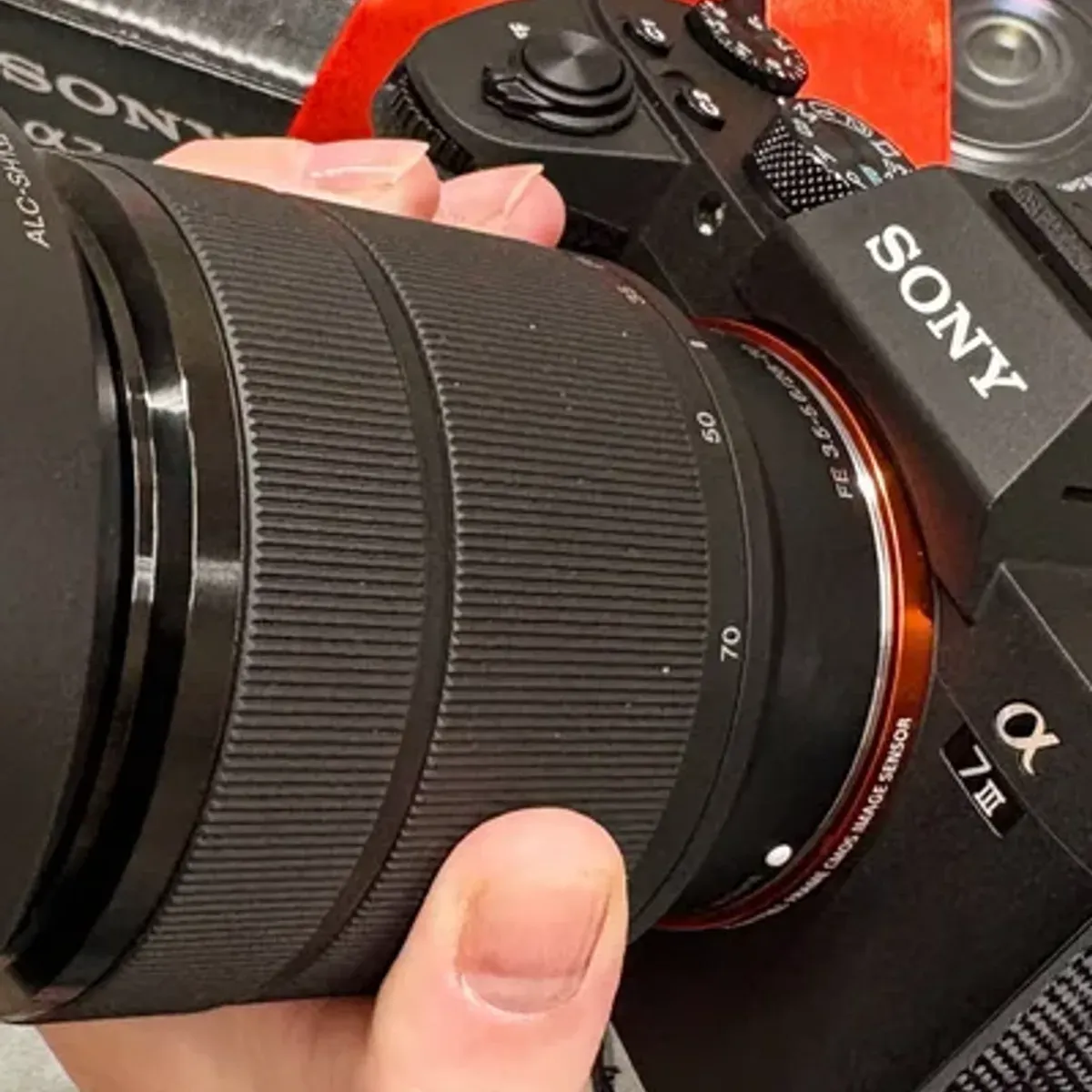
The lens is not a reason to buy this camera. Serious photographers will want to add a fast prime (the Sony FE 50mm f/1.8 is affordable) or a higher-quality zoom (the 24-70mm f/2.8 GM). The kit lens gets you started, but you will outgrow it within months.
Who should buy the Sony A7 III?
Photographers stepping up from crop-sensor cameras who want full-frame image quality without the full-frame price tag. The A7III delivers 90% of what the A7 IV offers at a significantly lower cost — especially on the used market.
Enthusiasts who want one camera that handles portraits, landscapes, street photography, and video. The 24.2MP sensor gives enough resolution for large prints, the autofocus handles fast-moving subjects, and the 4K video covers YouTube and social content.
Anyone who wants to learn photography on a camera that will not limit their growth. The manual controls, customizable buttons, and extensive lens ecosystem mean the A7III grows with you as your skills develop.
Verdict
✅ Pros:
- 24.2MP full-frame sensor with excellent dynamic range and low-light performance
- 693-point AF system covers 93% of the frame, reliable Eye AF
- 10fps burst shooting with continuous autofocus
- 4K video with S-Log3 and HLG profiles
- Compact body for full-frame, comfortable grip
- Excellent battery life (610+ shots per charge)
- Massive Sony E-mount lens ecosystem
❌ Cons:
- No 4K at 60fps (limited to 30fps)
- Kit lens (28-70mm f/3.5-5.6) is mediocre
- EVF resolution lower than A7 IV
- No in-body headphone jack without adapter
- Autofocus in video hunts occasionally in low light
- Aging design — the A7 IV improves on nearly every aspect
🏷 Compare prices for Sony A7 III Find the best deal →
🇩🇪 This article is also available in Deutsch:
Read in Deutsch →
FAQ
Is the Sony A7 III still worth buying in 2026?
Yes. The 24.2MP full-frame sensor, 693-point autofocus, and 4K video remain competitive. Used prices have dropped significantly, making it one of the best value full-frame cameras available.
What lens comes with the Sony A7 III kit?
The standard kit includes the Sony FE 28-70mm f/3.5-5.6 OSS lens. It is a versatile zoom for everyday shooting, though serious photographers typically upgrade to faster prime lenses or the 24-70mm f/2.8 GM.
How good is the Sony A7 III autofocus?
The 693-phase-detection AF system covers 93% of the frame and tracks subjects reliably at 10fps. Eye AF works for both humans and animals. It was class-leading when released and still outperforms many newer cameras.
What video specs does the Sony A7 III support?
4K at 24/30fps with full pixel readout, 1080p at 120fps for slow motion. S-Log3 and HLG profiles for color grading. No 4K at 60fps — that requires the A7 IV or A7S III.
How long does the Sony A7 III battery last?
Approximately 610 shots per charge using the rear LCD, or 710 shots with the viewfinder. The NP-FZ100 battery is a significant improvement over the A7 II's battery and lasts a full day of casual shooting.

Continue reading
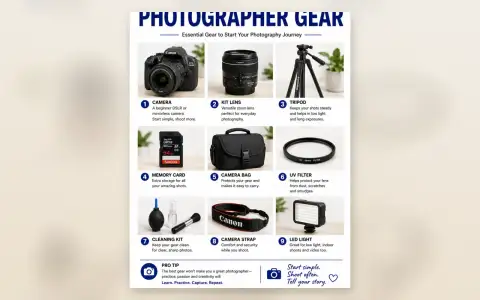
Beginner Photographer Gear: 9 Essential Items to Start Your Photography Journey
Beginner photographer gear guide: Canon EOS 2000D DSLR, 18-55mm kit lens, tripod, SanDisk 64GB memory card, camera bag, UV filter, cleaning kit, camera strap, and LED light. Everything you need to start shooting: nothing you don't.

Studio Lighting Modifiers Comparison: Strip, Softbox, Reflector, China Ball, and Octabox
Studio lighting modifiers compared: strip light with grid, softbox with and without grid, reflector dish, China ball lantern, and octabox with grid. How each modifier changes light quality, spread, and mood — with the same model and the same light source.

Camera Shot Types Explained: 12 Frames Every Photographer and Videographer Should Know
Camera shot types guide: Close Up, Extreme Close Up, POV, Medium Shot, Low Angle, Over the Shoulder, High Angle, Tracking, Reveal, Wide Shot, Dutch Angle, and Bird's Eye View. When to use each and why it matters.