Focal Length Comparison: How 16mm to 135mm Changes Your Portrait
Focal length comparison guide: how 16mm, 24mm, 35mm, 50mm, 85mm, 105mm, and 135mm lenses affect portrait perspective, background compression, and facial distortion. Visual examples from wide to telephoto.
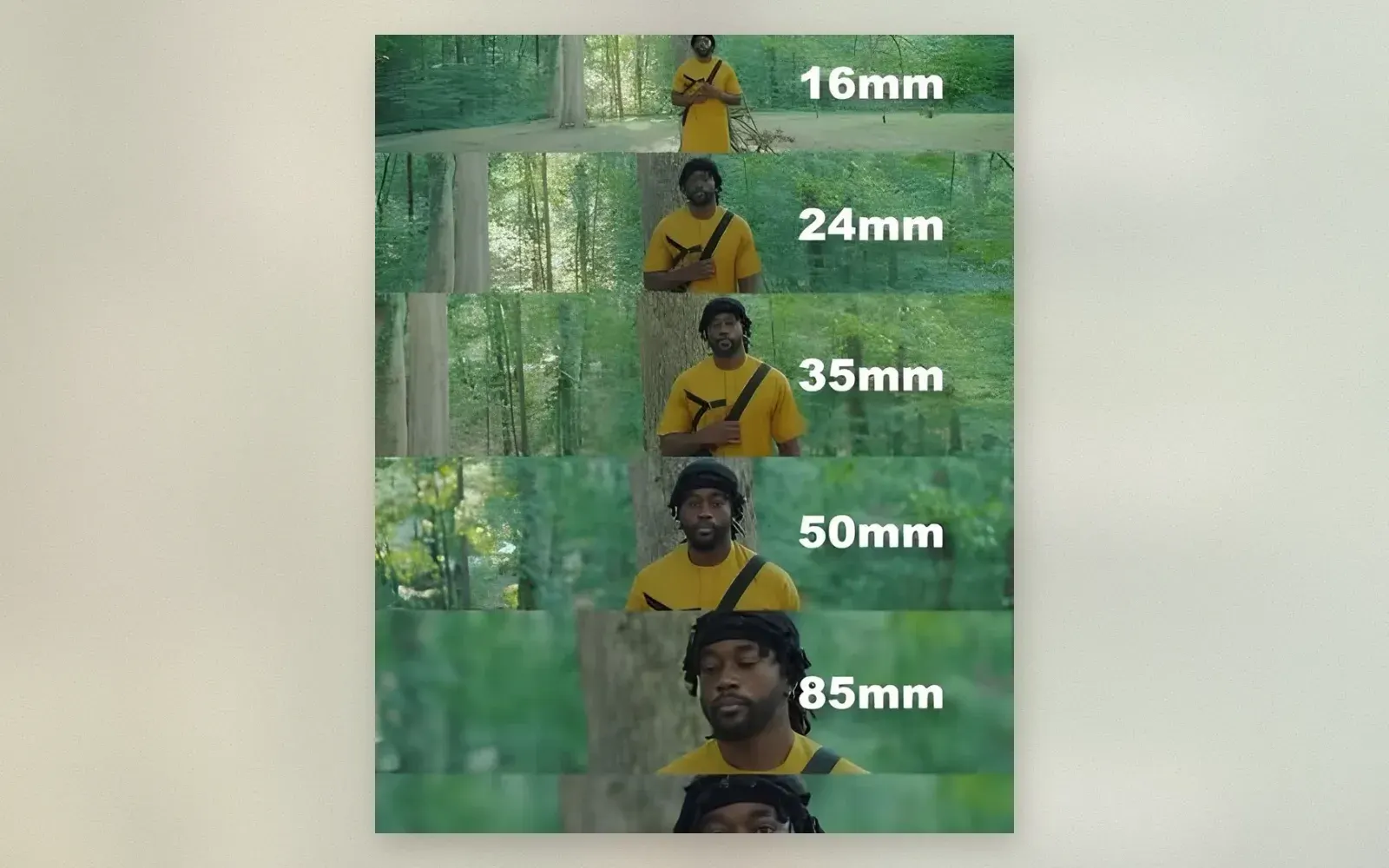
The same person, the same distance, the same light — but seven different focal lengths produce seven different portraits. A 16mm wide-angle stretches the face and includes the entire forest. A 135mm telephoto compresses the background into a creamy blur and fills the frame with the subject’s eyes. The focal length you choose determines how your subject looks, how much background appears, and what story the portrait tells.
📷 Portrait lenses on Amazon Buy on Amazon → · Check on Etsy →
16mm: The Environmental Wide-Angle
At 16mm, the lens captures an enormous field of view — the subject, the trees, the sky, the ground. The wide angle exaggerates perspective: the subject’s nose appears larger, the ears appear smaller, and the face looks stretched. This is not flattering for traditional portraits, but it is powerful for environmental portraits where the setting is as important as the person.
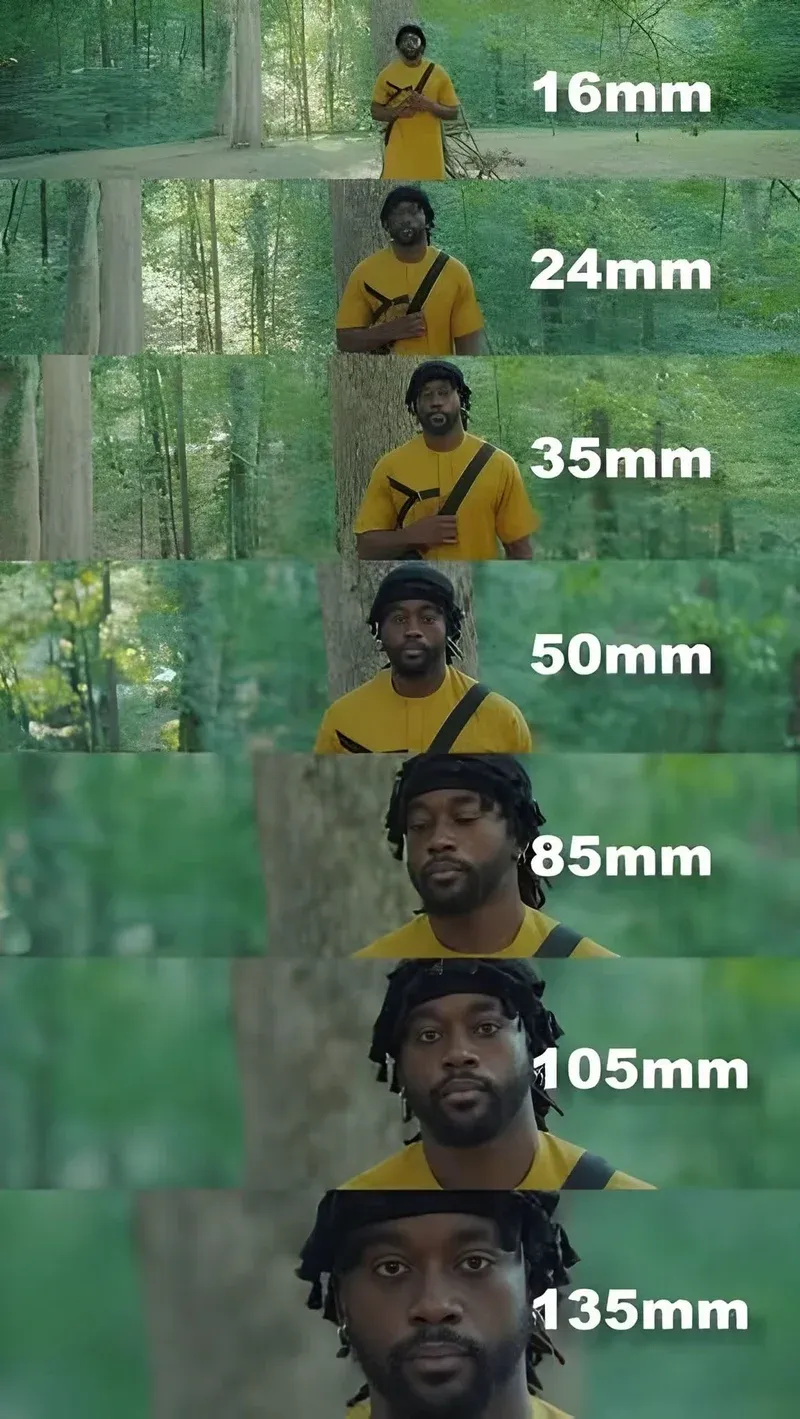
Use 16mm when you want to tell a story about where someone is — a hiker in a forest, a musician on stage, a chef in a kitchen. The distortion becomes a creative tool when you embrace it rather than fight it. Low-angle shots at 16mm make subjects look heroic and towering.
24mm to 35mm: The Storytelling Range
At 24mm, the distortion is less extreme than 16mm but still visible. The subject’s face looks slightly wider than reality, and the background remains prominent. This is the photojournalism range — wide enough to include context, tight enough to focus on the person.
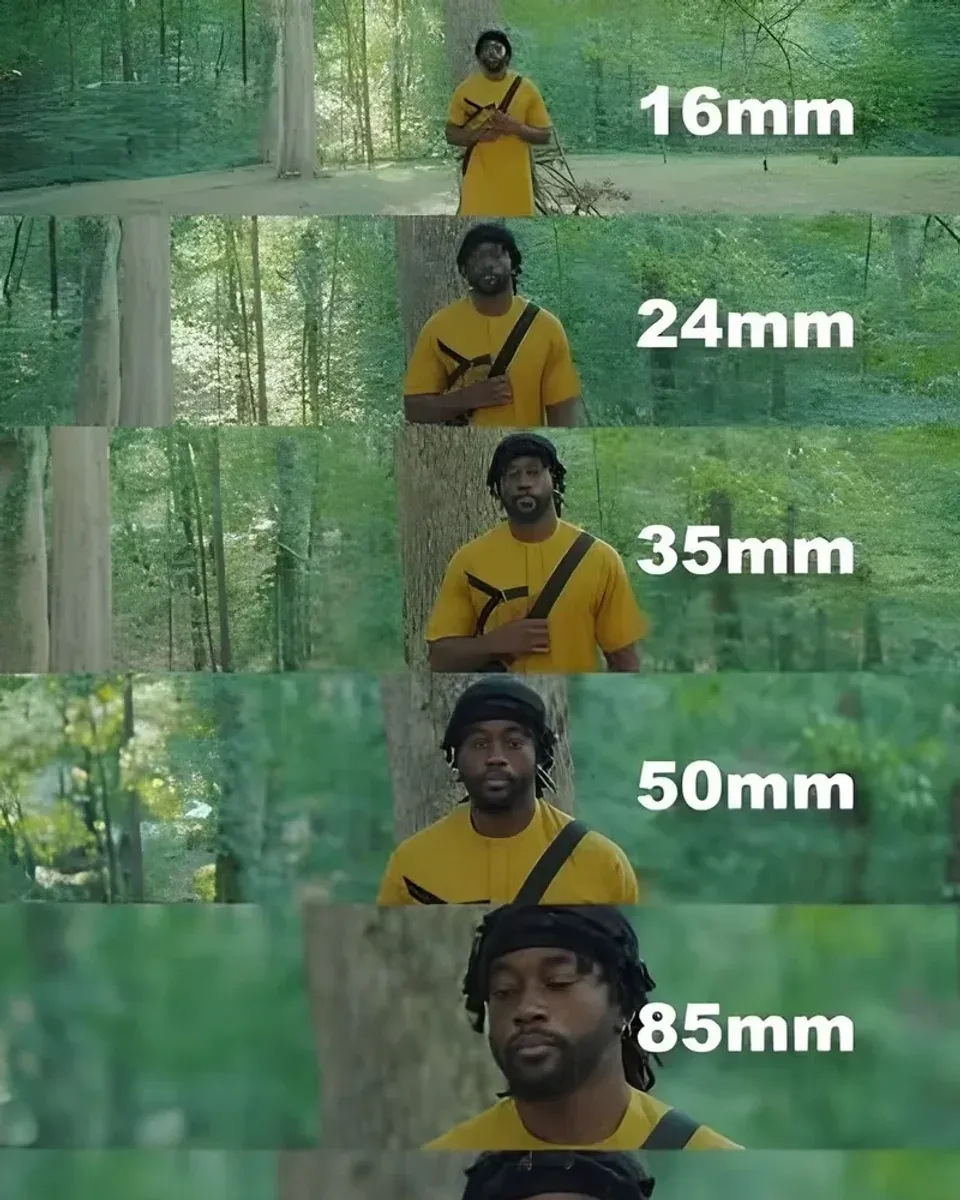
At 35mm, the perspective approaches what the human eye sees. Facial proportions look natural, and the background provides context without dominating. 35mm is the classic street photography and environmental portrait focal length — it shows people in their world without the distortion of wider lenses or the isolation of telephoto lenses.
50mm: The Standard
At 50mm, the lens produces the most natural-looking portraits. Facial proportions match what you see in a mirror — the nose is not exaggerated, the ears are not shrunk, and the face looks like the person actually looks. This is why 50mm is called the “normal” lens — it approximates human vision.
50mm is the best all-around portrait focal length. It works for headshots, half-body portraits, and environmental portraits. The background blur at f/1.8 is noticeable but not extreme, keeping some context visible while separating the subject from the environment.
85mm: The Portrait King
85mm is the classic portrait focal length for a reason. The telephoto compression smooths facial features — the nose appears smaller, the face looks slimmer, and the proportions become more flattering. The background compresses into a soft, creamy blur that isolates the subject without completely eliminating context.
85mm creates the “professional portrait” look that clients expect. The working distance (about 2-3 meters for a headshot) is comfortable for both photographer and subject — close enough for connection, far enough for personal space.
105mm to 135mm: The Telephoto Headshot
At 105mm and 135mm, the compression becomes extreme. The background transforms into an abstract wash of color and light — trees become green bokeh, buildings become geometric shapes. The subject’s face is compressed further, creating a very flat, very flattering perspective.
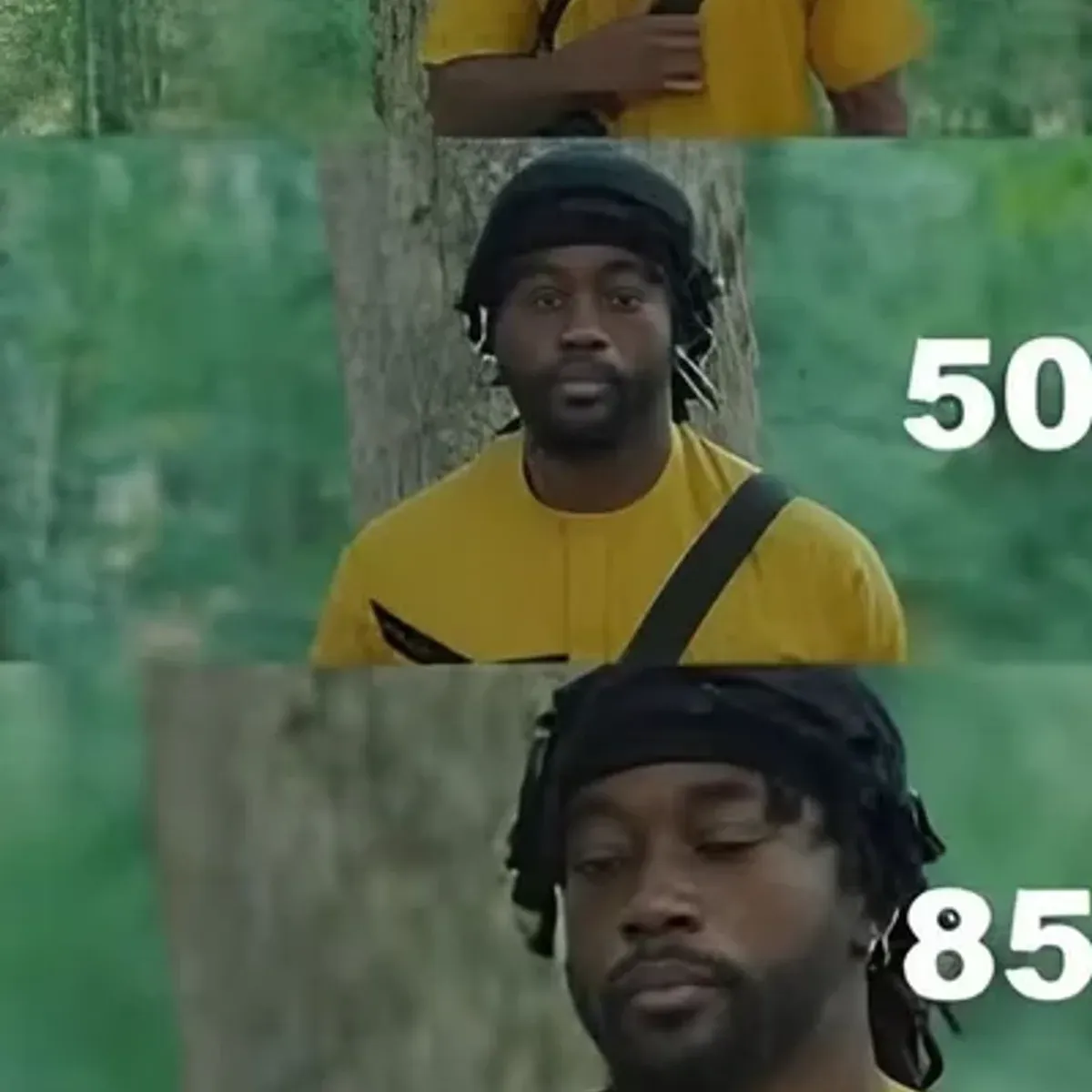
The tradeoff is working distance — you need 4-6 meters from the subject for a headshot at 135mm. This limits where you can shoot and makes communication harder. But the result is a portrait with the smoothest background and the most flattering facial compression available.
Who should use which focal length?
Beginners: start with 50mm. It teaches composition through movement — you zoom by walking, which builds better spatial awareness. The natural perspective means your portraits look like the person, not a distorted version of them.
Event and wedding photographers: carry 35mm and 85mm. 35mm handles group shots and environmental moments. 85mm handles individual portraits and candid headshots. This two-lens combination covers 95% of wedding photography.
Portrait specialists: invest in 85mm f/1.4 or 135mm f/2. These are the lenses that produce the creamy background blur and flattering compression that clients pay premium prices for. The working distance is a limitation, but the results justify it.
Verdict
✅ Pros:
- Visual comparison shows exactly how each focal length affects the portrait
- 16mm to 135mm covers the full range from wide-angle to telephoto
- Explains when to use each focal length with practical scenarios
- Covers distortion, compression, background blur, and working distance
- Works for any camera system — Canon, Nikon, Sony, Fuji
- Practical recommendations for beginners, event photographers, and portrait specialists
❌ Cons:
- Does not cover zoom lenses (24-70mm, 70-200mm) as alternatives
- Aperture is held constant in the comparison — real-world results vary with f-stop
- Does not discuss crop sensor vs full-frame focal length equivalents
- Background blur depends on aperture and distance, not just focal length
- Working distance limitations at telephoto lengths need more practical examples
📷 Find portrait lenses Best prices on Amazon →
🇩🇪 This article is also available in Deutsch:
Read in Deutsch →
FAQ
What focal length is best for portraits?
85mm is the classic portrait focal length — it compresses facial features naturally, creates pleasant background blur, and maintains a comfortable working distance. 50mm works for environmental portraits, 135mm for tight headshots with extreme background separation.
Why does 16mm look distorted in portraits?
Wide-angle lenses like 16mm exaggerate perspective — objects closer to the lens appear larger, and objects farther away appear smaller. In portraits, this stretches the nose, shrinks the ears, and warps facial proportions. It works for creative effects but not flattering portraits.
What is the difference between 35mm and 50mm for portraits?
35mm includes more background context, making it ideal for environmental portraits where the setting matters. 50mm is closer to human eye perspective and produces more natural facial proportions. Both are versatile, but 50mm is more flattering for close-up portraits.
How does focal length affect background blur?
Longer focal lengths (85mm, 105mm, 135mm) compress the background and create more background blur (bokeh) at the same aperture. Shorter focal lengths (16mm, 24mm) include more background and produce less blur, making the environment more prominent.
What focal length should a beginner start with?
A 50mm f/1.8 lens is the best beginner portrait lens — affordable, sharp, and produces natural-looking portraits. It teaches you to move your feet instead of zooming, which builds better composition habits.

Continue reading
Beginner Photographer Gear: 9 Essential Items to Start Your Photography Journey
Beginner photographer gear guide: Canon EOS 2000D DSLR, 18-55mm kit lens, tripod, SanDisk 64GB memory card, camera bag, UV filter, cleaning kit, camera strap, and LED light. Everything you need to start shooting: nothing you don't.
Studio Lighting Modifiers Comparison: Strip, Softbox, Reflector, China Ball, and Octabox
Studio lighting modifiers compared: strip light with grid, softbox with and without grid, reflector dish, China ball lantern, and octabox with grid. How each modifier changes light quality, spread, and mood — with the same model and the same light source.
Camera Shot Types Explained: 12 Frames Every Photographer and Videographer Should Know
Camera shot types guide: Close Up, Extreme Close Up, POV, Medium Shot, Low Angle, Over the Shoulder, High Angle, Tracking, Reveal, Wide Shot, Dutch Angle, and Bird's Eye View. When to use each and why it matters.