Multi-Brand Camera Kit: How One Cinema Rig Mixes Z CAM, Xelmus, and DJI
A multi-brand camera kit in one build: a Z CAM cinema body, a Xelmus Apollo anamorphic, follow focus, and a dual-handle gimbal, joined by standard mounts.
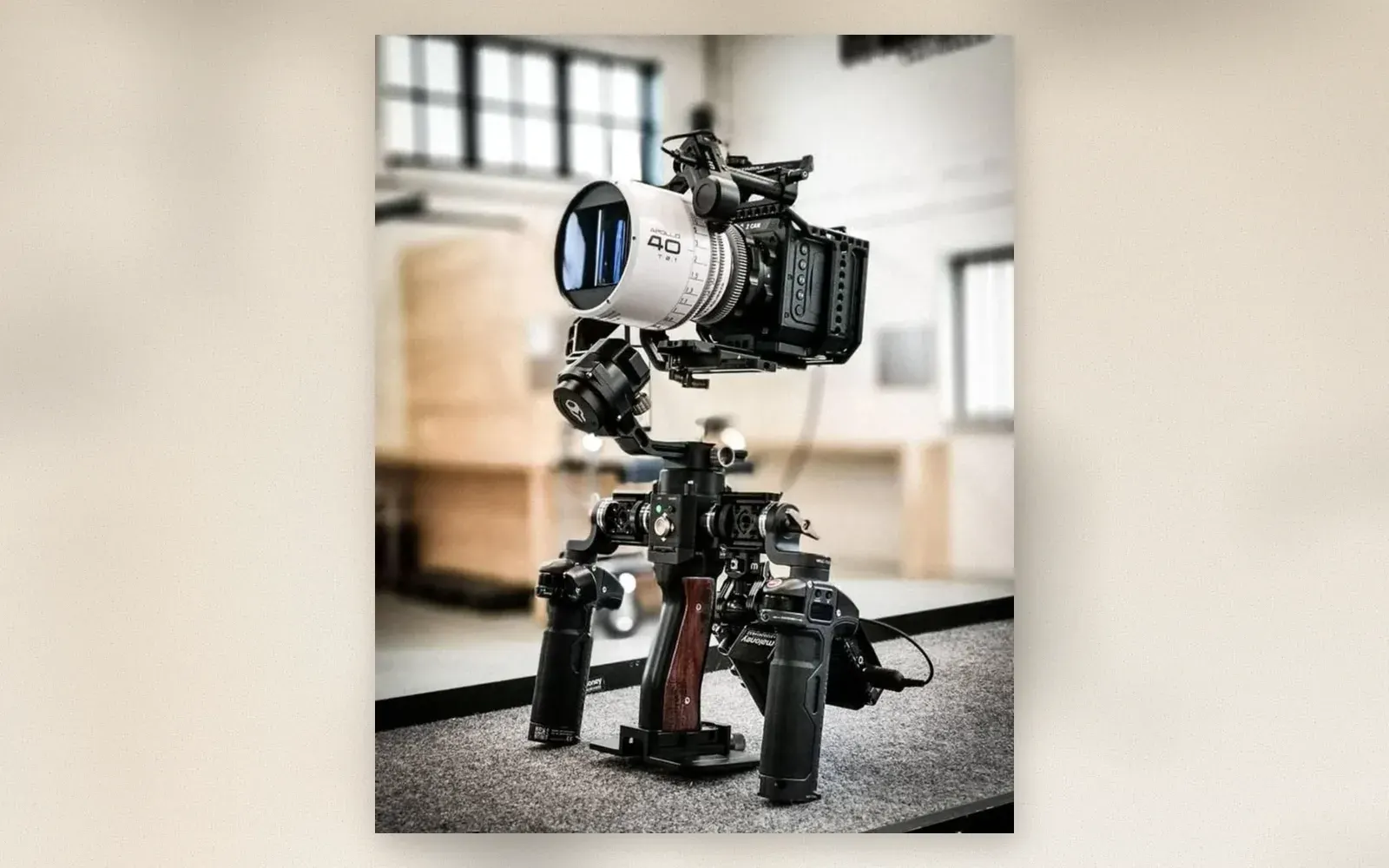
A multi-brand camera kit like this one answers a question every small crew eventually faces: no single company makes the best cinema body, the best anamorphic glass, and the best stabilization, so working shooters assemble all three and hold the build together with shared standards. In the photo, a Z CAM cinema body in a cage carries a white Xelmus Apollo 40 mm T2.1 anamorphic prime, a wireless follow focus motor rides the top, and the whole stack balances on a dual-handle gimbal support with a wooden center grip. Here is how the pieces cooperate, and where mixing brands bites back.
Why do filmmakers mix brands in one rig?
Because every part of the chain has a different specialist. Z CAM builds compact cinema bodies that record ProRes and shoot high frame rates for their price, Xelmus builds full frame anamorphic primes, and DJI builds gimbals. The reason a mixed build like this works at all is a set of standards the industry settled on decades ago: the PL lens mount, Arca-Swiss style quick release plates, 15 mm rods, NATO rails, and plain 1/4-20 threads.
Standards are what let a Belarusian anamorphic sit in front of a Chinese cinema camera on a Shenzhen-built gimbal support. When you plan your own kit, count the standards before you count the brands. A body with a PL mount accepts decades of glass, and a cage full of 1/4-20 holes accepts decades of accessories.
What does the Xelmus Apollo bring to the build?
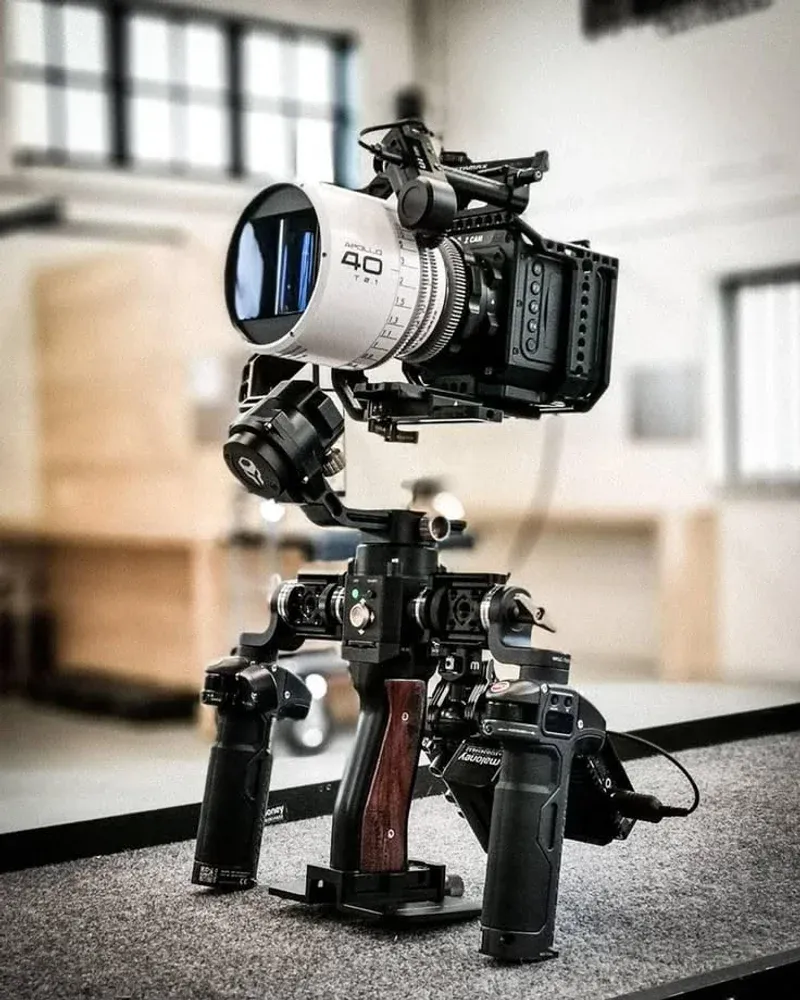
The look. A 2x anamorphic squeezes a wide oval frame onto the sensor, which gives horizontal flares, elongated bokeh, and the shallow wide compositions people associate with feature films. The Apollo line covers full frame sensors in 40, 60, and 100 mm, all at T2.1, and the white barrel with the blue coated front element in the photo is the 40 mm, the focal length most used for medium shots and dialogue.
These are rental-house lenses with rental-house prices, so most solo shooters get the anamorphic look another way. Budget anamorphics from SIRUI and similar brands deliver a milder version of the same compression and flares at a fraction of the cost, which makes them the usual entry point.
Can a gimbal carry a build this heavy?
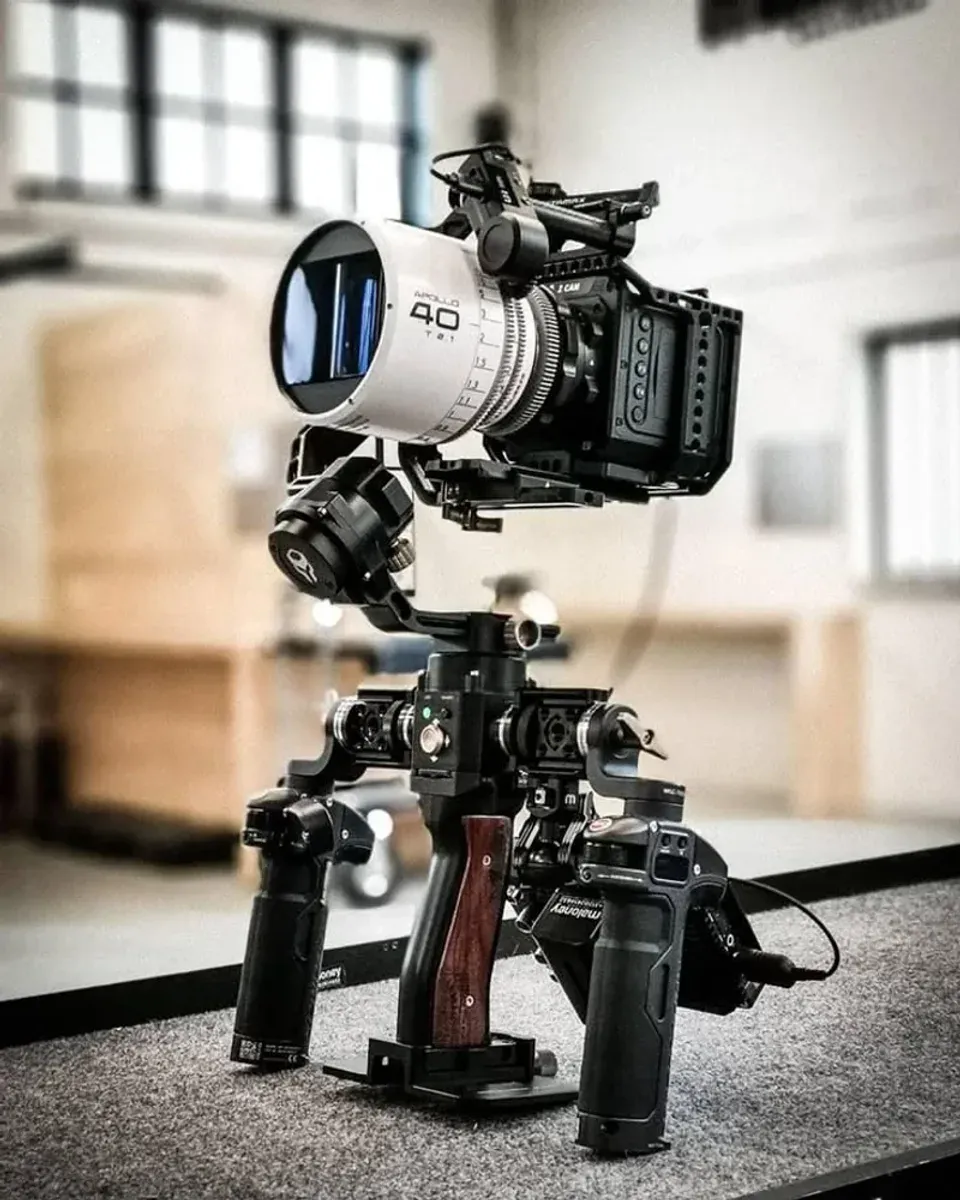
This one can, with the numbers in mind. The DJI RS 3 Pro is tested for a 4.5 kg payload, has automatic axis locks for setup, and extended carbon arms that help long lenses clear the frame during rotation. Once the anamorphic, its lens support, the follow focus motor, and the cabling are on, the build in the photo lands well inside that limit but close enough that careful balancing matters.
The dual-handle support underneath exists for exactly these heavy builds. It takes the load off one wrist, turns gimbal work into a two-handed posture, and the wooden center grip carries the fine steering while the side handles absorb the weight.
Where does a mixed rig cause problems?
At the seams. Each brand supports its own ecosystem best, so the follow focus motor, the gimbal, and the camera each speak their own control protocol, and start-stop triggers that would be one cable on a matched kit turn into workarounds here. Balance is the second cost: anamorphics are long and heavy for their weight, so every lens swap means re-balancing the gimbal.
Repairs and firmware split three ways as well. When the motor and the camera disagree after an update, no single support line owns the problem, and you debug the chain yourself. None of this is a reason to avoid mixed builds, it is the price of the specialization that made you mix brands in the first place.
Verdict
This multi-brand camera kit earns its complexity through division of labor: the Z CAM body handles ProRes and high frame rates, the Xelmus Apollo delivers the anamorphic look, and the DJI gimbal carries it all smoothly. Know your standards, respect the payload math, and mixed-brand builds like this one behave like a single camera system.
✅ Pros
- Best-in-class component for each job instead of one compromise
- PL mount, Arca plates, and 15 mm rods keep parts swappable
- Dual-handle support makes heavy gimbal builds sustainable
- Compact ProRes body records high frame rates cheaply
❌ Cons
- Control triggers and firmware live in three separate ecosystems
- Anamorphic weight forces rebalancing after every lens swap
- Rental-tier glass costs more than most solo budgets allow
FAQ
Which camera is in this multi-brand rig?
A Z CAM cinema body in a protective cage. These compact cameras record Apple ProRes, and the 4K Micro Four Thirds models in the E2 line push frame rates up to 160 fps, which is why they show up in small crew and high speed work.
What is the white lens on the front?
A Xelmus Apollo 40 mm T2.1, a 2x front anamorphic prime with a full frame image circle in PL mount. Xelmus sells the Apollo line in 40, 60, and 100 mm, and the blue coated front element is what gives anamorphic flares their look.
Can a single gimbal carry a rig like this?
Yes, if you respect the payload limit. The DJI RS 3 Pro is tested for 4.5 kg, and this build stays inside that once the anamorphic, follow focus motor, and cabling are balanced properly on the dual-handle support.

Continue reading

10 Camera and Drone View Commands That Change How Your Photos Look
Droneview, topdown, birdseye, lowangle: what the ten view commands from the viral cheat sheet mean, and how to shoot them with AI prompts or a real drone.
Camera Settings Cheat Sheet: 10 Scenes With Aperture, Shutter Speed, and ISO
Portrait, landscape, action, night: the ten setting combos from the widely shared camera cheat sheet, why each one works, and the camera to practice them on.
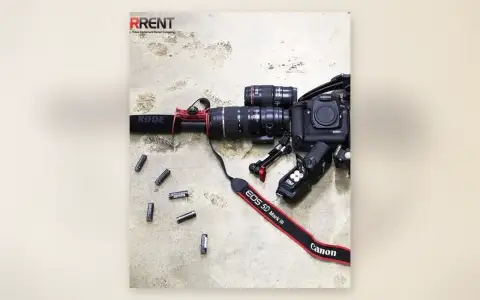
Canon 5D Mark III Video Rig: Every Piece in This Flat Lay Explained
A working Canon 5D Mark III video rig in one flat lay: Rode shotgun mic, battery grip, telephoto glass, speedlite, and the small parts that keep a shoot alive.